Austin homeowners love big openings between the kitchen, living room, pool, and patio. The question is which system fits the home best: an aluminum glass patio wall, a multi-slide door, a bi-fold system, or a garage-style glass door. They can all create indoor-outdoor living, but they do not perform the same way in Central Texas heat, dust, and daily use.

This comparison is for homeowners in Austin, Westlake, Bee Cave, Lakeway, Round Rock, Cedar Park, and Dripping Springs who want more glass, more light, and a patio opening that feels intentional instead of improvised.
What Is an Aluminum Glass Patio Wall?
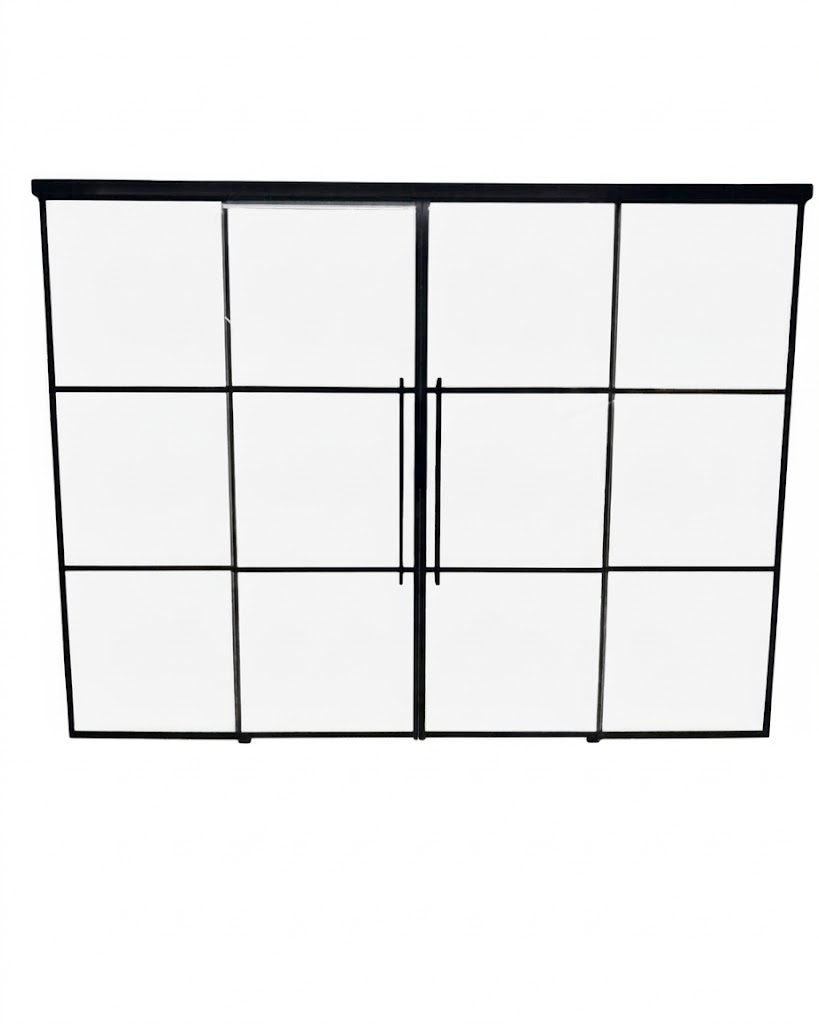
An aluminum glass patio wall is a door or wall system built with slim metal frames and large glass panels. Depending on the layout, the panels may slide, fold, swing, or combine fixed glass with one active door. Aluminum is popular because it is lighter than steel, resists rust, and supports narrow sightlines that show more glass and less frame.
For Austin homes, aluminum systems are often used to replace older sliding doors, open a breakfast room to a covered patio, or create a wide view toward a pool or Hill Country lot.
Option 1: Multi-Slide Aluminum Doors
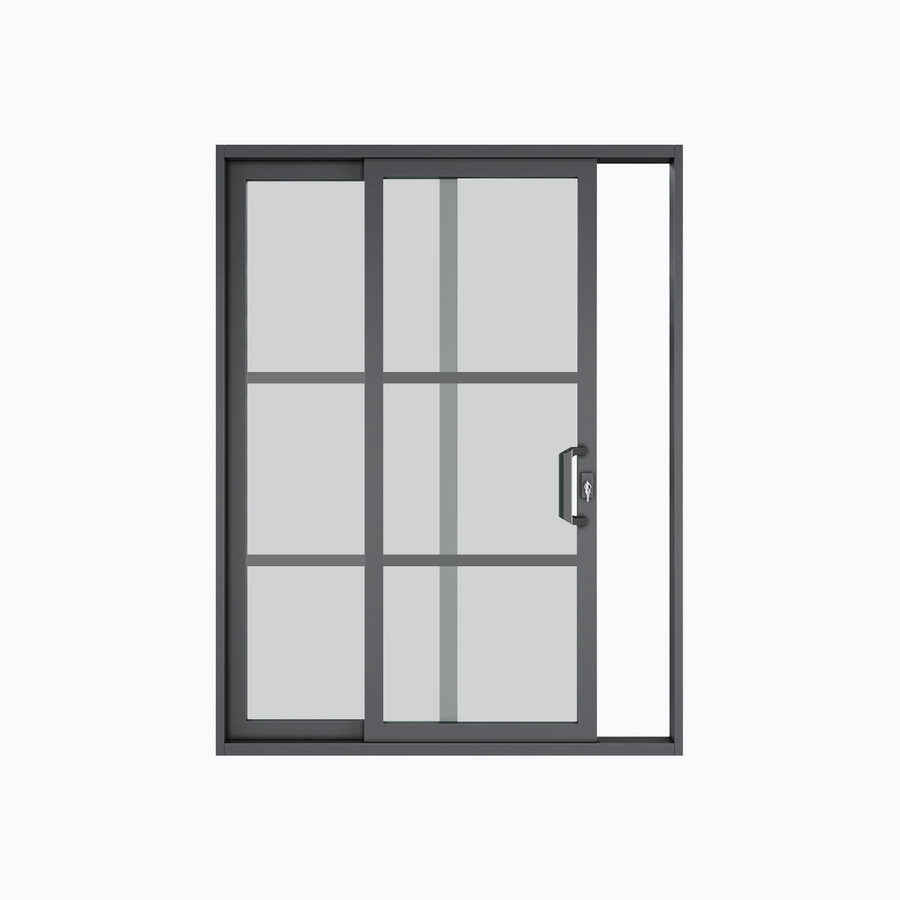
Multi-slide doors are one of the most practical choices for long patio openings. Panels move on tracks and stack to one side or disappear into a pocket when the wall design allows it. They are easy to operate and can cover wide openings without the swing clearance required by hinged doors.
Best For
Multi-slide systems work well for living rooms, pool-facing walls, and covered patios where the homeowner wants a clean contemporary look. They are also a strong choice when furniture sits near the opening because the panels do not swing into the room.
Tradeoffs
The track must be planned carefully for drainage, cleaning, and smooth operation. In dusty areas west of Austin, the track will need regular maintenance. Pocketing systems can also require more framing work than a standard replacement.
Option 2: Bi-Fold Glass Doors
Bi-fold doors fold and stack to the side, creating a dramatic full opening. They are popular for entertaining because the wall can feel almost completely open when the weather is right.
The tradeoff is that the stacked panels need space at one or both sides of the opening. Bi-folds also have more hinges and moving points than a basic slider, so proper installation matters. For high-use patio doors, choose hardware that feels solid and easy to operate.

Option 3: Garage-Style Glass Doors
Garage-style glass doors lift upward like an overhead door. They can look great in restaurants, pool houses, studios, and some modern homes. The appeal is obvious: one large glass surface opens overhead and creates a casual indoor-outdoor feel.
For a primary living room, however, homeowners should think carefully. Garage-style doors require ceiling clearance, overhead tracks, and a different sealing approach than side-moving patio doors. They can work beautifully in the right space, but they are not always the most comfortable or energy-efficient replacement for a main patio wall.
Cost Factors in Austin
Cost depends on opening width, number of panels, glass type, frame finish, structural work, and installation access. Replacing an existing door in the same opening is usually simpler than cutting a larger opening into an exterior wall. If the project changes structure, expect engineering, framing, header work, and finish repair to become part of the budget.
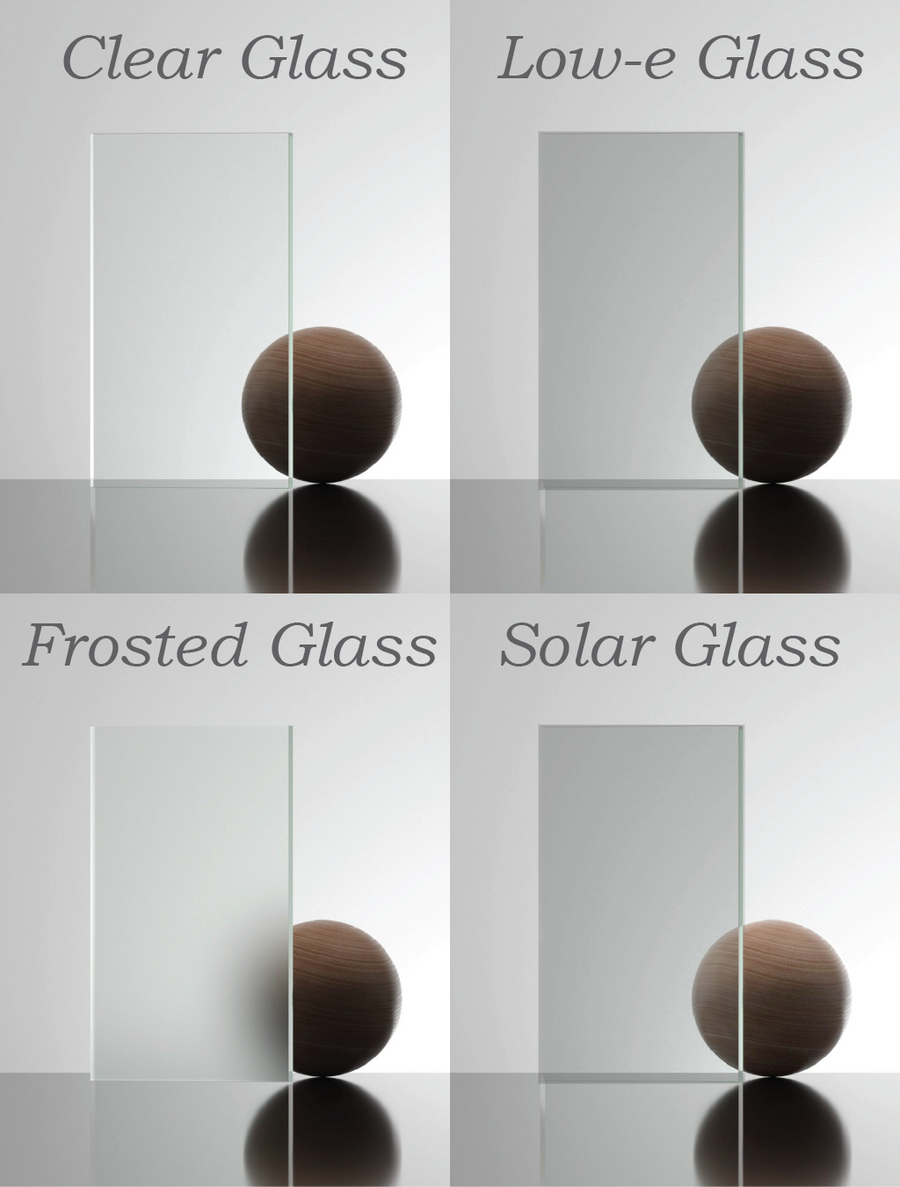
Glass choice is another major factor. Low-E insulated glass is usually worth considering in Austin because it helps reduce heat transfer while preserving natural light. For west-facing patios, tinted or solar-control glass may also help with glare and afternoon heat.
Comfort and Energy Performance
Large glass openings need more than good looks. Ask how the system seals, what glass package is available, and how water is managed at the sill. Covered patios have an advantage because they reduce direct sun and rain exposure. Uncovered west-facing openings need stronger glass planning.
Aluminum frames should be selected with the climate in mind. Better systems use details that improve thermal performance and reduce air movement around the panels. Installation quality is just as important as the door specification.
Which System Should You Choose?
Choose a multi-slide door when you want daily convenience, a clean look, and wide glass panels. Choose a bi-fold door when the priority is opening the wall as much as possible for entertaining. Choose a garage-style glass door for a studio, pool house, bar area, or very specific modern design where overhead tracks make sense.
If you are still comparing, review sliding door systems, bi-fold door options, and aluminum swing doors. Each solves a different layout problem.
FAQ
Are aluminum patio doors good for Austin homes?
Yes. Aluminum is a strong option for large glass openings because it is durable, stable, and suited to slim modern frames. The glass package and installation details should be matched to the exposure.
Is a garage-style glass door better than sliding doors?
Not always. Garage-style doors are visually dramatic, but sliding doors are often easier for daily use, sealing, furniture layout, and energy planning in main living spaces.
Do I need Low-E glass for a patio wall?
For most Austin patio walls, Low-E insulated glass is a smart upgrade, especially on sunny or west-facing openings.
Can Texas Glass Door help compare layouts?
Yes. Send photos and rough dimensions through the contact page, and we can help compare sliding, bi-fold, swing, and fixed glass layouts for your Austin home.
Planning a larger patio opening? Contact Texas Glass Door for design and measurement help before choosing a system.
Need Help Choosing the Right Door?
Talk to Texas Glass Door for guidance on iron, glass, aluminum, and interior door options tailored to your project.