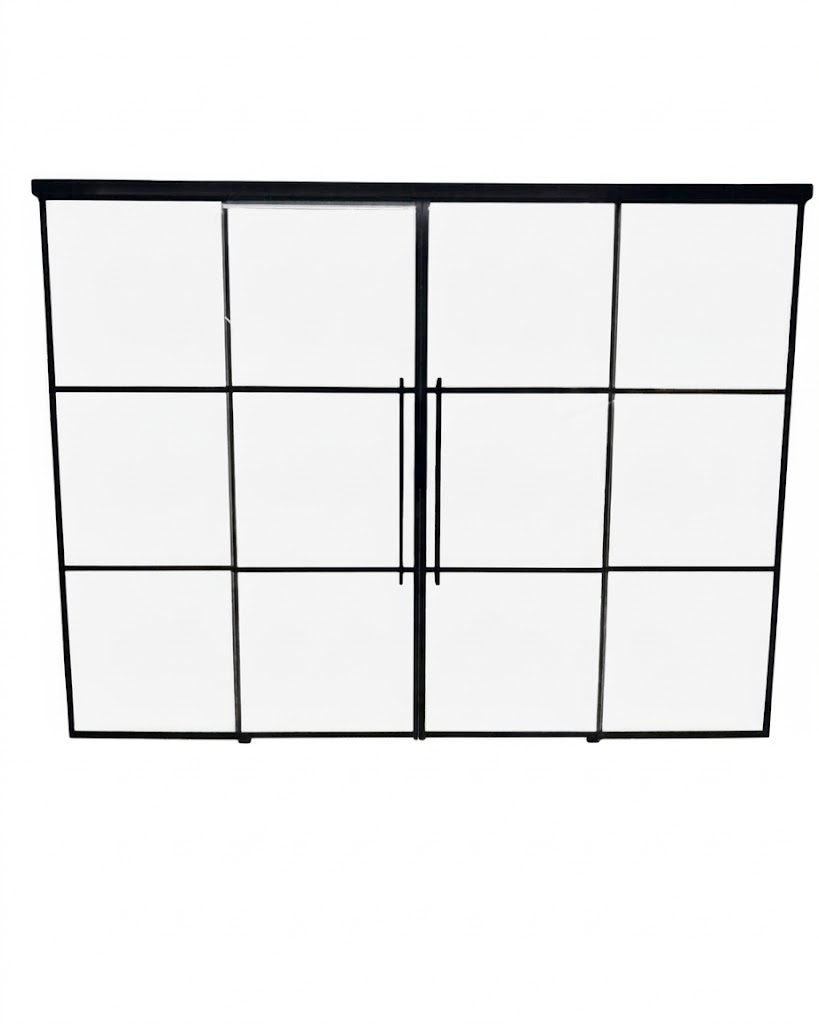


Aluminum patio doors are a strong fit for Austin homes because they can create wide glass openings without the bulky frame profile of many vinyl or wood systems. The question is usually not whether aluminum works; it is which opening style, glass package, and installation details make sense for the way the home faces sun, wind, and daily use. For homeowners comparing sliding doors, bi-fold doors, and large-panel patio systems, the best choice is usually a balance of budget, clear opening size, energy performance, and how often the space will be opened all the way.
This guide focuses on the decisions that matter most in Central Texas: Low-E insulated glass, frame strength, threshold details, and real-world cost drivers. If you are planning a remodel, new build, or back patio upgrade, use this as a checklist before requesting a quote from Texas Glass Door.
Why Aluminum Works Well for Austin Patio Openings
Austin homes often use patio doors as a transition between kitchen, living room, pool, deck, or outdoor dining space. Aluminum frames are popular because they are rigid, clean-looking, and stable across larger spans. That matters when the opening is wider than a standard French door or when the design calls for taller panels with more glass and less visual interruption.
Modern aluminum patio doors are also different from older metal systems. Better weatherstripping, improved rollers, multi-point locking options, and insulated glass packages help the door perform more like a true exterior building component. For Texas projects, the glass selection is just as important as the frame because west-facing and south-facing openings can take intense afternoon sun.
Sliding vs Bi-Fold Patio Doors
Sliding aluminum patio doors
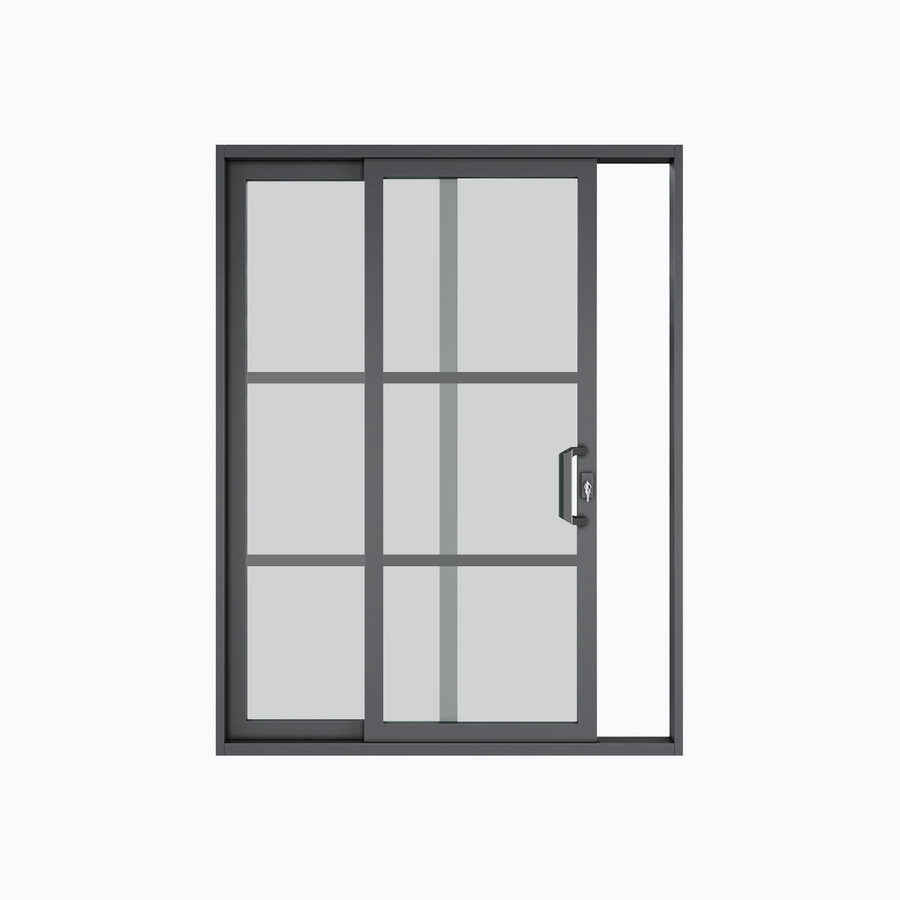
Sliding doors are usually the most practical choice when you want a large glass view, simple operation, and a predictable budget. Panels move along a track, so the door does not need swing clearance inside or outside. This makes sliding systems useful near dining furniture, outdoor kitchens, and smaller patios where a hinged door would interrupt the layout.
The tradeoff is that a sliding system typically leaves one portion of the opening covered by a panel. Multi-slide configurations can open wider, but they require more track planning and wall space. For many Austin homes, a two-panel or three-panel aluminum slider gives the best mix of view, ventilation, and cost control.
Bi-fold aluminum patio doors
Bi-fold doors are chosen when the goal is a dramatic open-wall effect. The panels fold and stack to the side, creating a much larger clear opening than a typical slider. This is ideal for entertaining spaces, pool-facing rooms, and modern remodels where indoor-outdoor living is the priority.
Bi-fold systems usually cost more because they use more panels, hinges, hardware, track components, and careful installation labor. They also need enough stacking space at one or both sides of the opening. If you plan to open the full wall often, the premium may be worth it. If the door will mostly stay closed for the view, a sliding system may be the smarter value.
Low-E and Insulated Glass in Central Texas
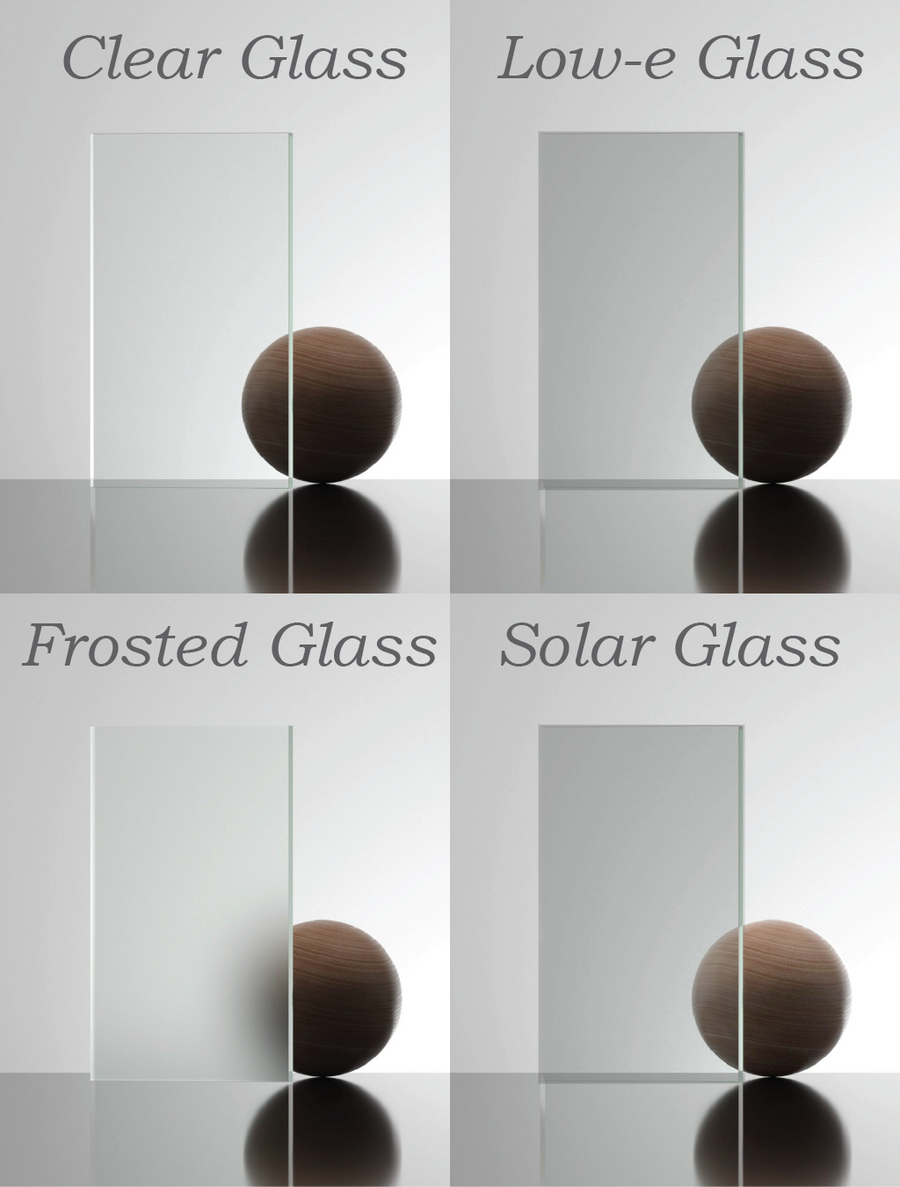
For Austin patio doors, Low-E insulated glass should be treated as a core specification, not an upgrade to consider at the end. Low-E coatings help reduce solar heat gain while keeping the glass clear enough for natural light. Insulated glass units also improve comfort near the door and help reduce the temperature swing that can happen around large openings.
Ask about glass orientation and performance, especially if the door faces west. A beautiful wall of glass can become uncomfortable if the wrong glass package is used. For many projects, aluminum doors paired with Low-E insulated glass provide a cleaner, more durable solution than trying to solve heat problems later with heavy window coverings.
What Affects Cost?
The largest cost factors are opening width, panel count, glass size, hardware, finish, threshold work, and installation conditions. A simple replacement in an existing opening is usually more predictable than cutting a new opening, changing structural headers, or tying the door into masonry, stucco, or exterior drainage. Large glass panels can also affect delivery, handling, and labor requirements.
Bi-fold doors normally sit higher on the price range than standard sliders. Multi-slide systems can also move up quickly when the opening is very wide. The best estimate starts with rough opening size, photos of the existing wall, preferred door type, and whether the project is replacement, remodel, or new construction.

Installation Details Austin Homeowners Should Check
A patio door is only as good as its installation. The sill must be level, the frame must be square, and the exterior must be flashed correctly to manage rain. Austin weather can shift from dry heat to heavy storms, so water control around the threshold is essential. Door operation should feel smooth after installation, not forced or uneven.
For remodels, also check flooring transitions, exterior patio height, and whether the new threshold creates a trip point. These details can affect comfort every day, even if they do not show up in a product photo.
Best Choice by Use Case
Choose sliding aluminum patio doors if you want a clean view, strong value, easy daily use, and minimal floor clearance issues. Choose bi-fold aluminum patio doors if the full opening is the main feature and the project budget supports more hardware and installation complexity. Choose Low-E insulated glass either way if the door receives direct Texas sun.
FAQ
Are aluminum patio doors energy efficient in Austin?
They can be, especially when paired with Low-E insulated glass and proper installation. The glass package and sealing details make a major difference.
Do bi-fold doors cost more than sliding doors?
Usually yes. Bi-fold systems require more panels, hardware, track work, and installation time, but they create a wider clear opening.
Can I replace a standard patio door with a larger aluminum system?
Often yes, but enlarging the opening may require structural work. Photos and measurements help determine the right path.
Get a Patio Door Quote
Planning an Austin patio door upgrade? Send your opening size, project photos, and preferred style through our contact page. Texas Glass Door can help compare aluminum sliding, bi-fold, and Low-E glass options for your home.
Need Help Choosing the Right Door?
Talk to Texas Glass Door for guidance on iron, glass, aluminum, and interior door options tailored to your project.