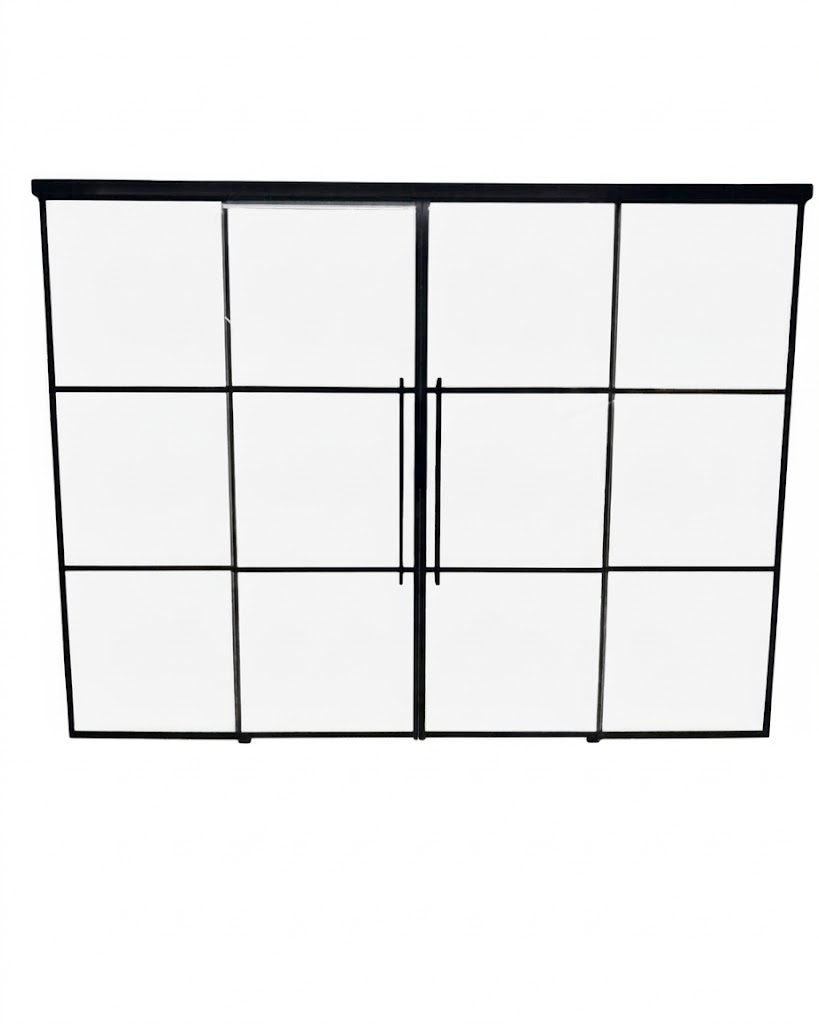
Austin homeowners often want the same thing from a patio opening: more daylight, a better connection to the yard, and a door system that can handle Texas heat without making the living room uncomfortable. Two of the most popular options are bi-fold doors and sliding glass walls. Both can open a room dramatically, but they work differently and fit different budgets, layouts, and design goals.

If you are remodeling in Westlake, building in Dripping Springs, updating a Lake Travis property, or improving a central Austin bungalow, the right choice depends on the opening width, available wall space, furniture layout, glass package, and how often you expect to fully open the system.
How Bi-Fold Doors Work
Bi-fold doors use multiple hinged panels that fold and stack to one or both sides. When open, most of the wall opening is clear. That makes them popular for patios, pool areas, outdoor kitchens, and entertaining spaces where the goal is to erase the boundary between inside and outside.
The tradeoff is stacking space. Folded panels need room at the side of the opening, and the swing path must stay clear. If your dining table, sofa, grill, or planter sits too close to the opening, the daily experience may feel less convenient than it looked on a drawing.
How Sliding Glass Walls Work
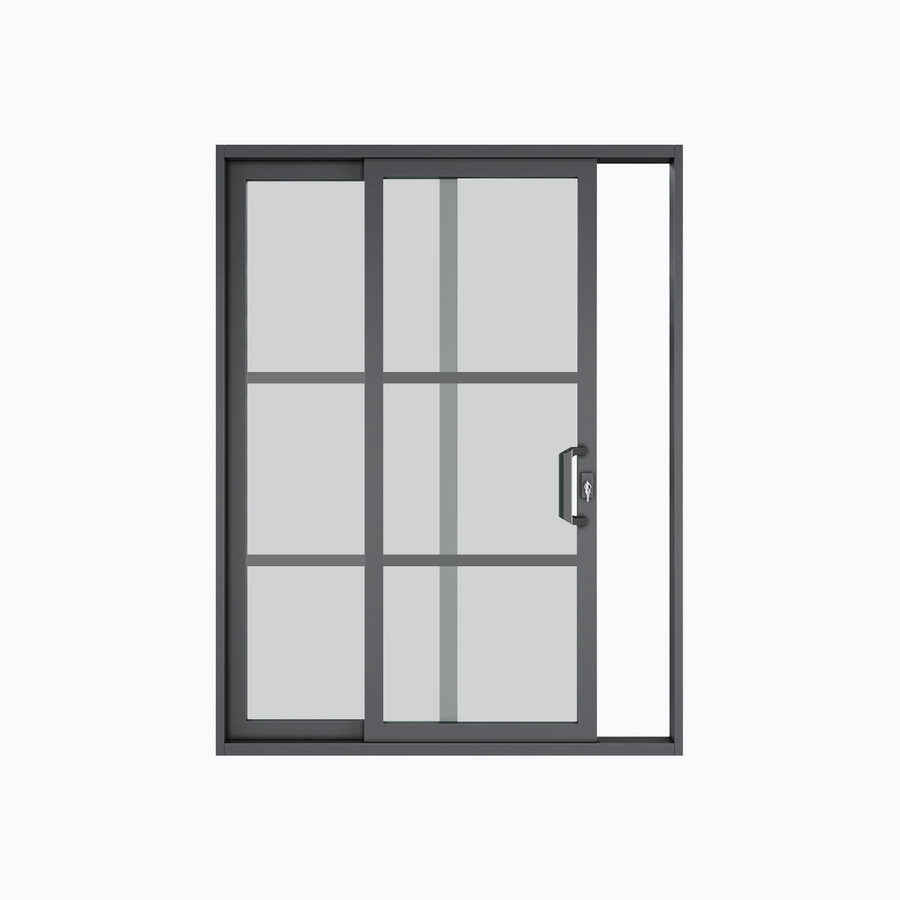
Sliding glass walls use large panels that glide on tracks. Depending on the system, panels can stack behind one another or slide into a pocket. Sliding systems usually do not require swing clearance, so they work well in tighter rooms and on patios where furniture sits near the opening.
The tradeoff is that part of the opening normally remains occupied by stacked panels unless the system pockets into a wall. For some Austin homes, that is acceptable because the panels are easy to operate and the sightlines stay clean even when closed.
Cost Factors to Compare
Neither option has one fixed price. Cost is driven by size, number of panels, glass type, frame finish, track configuration, screen options, drainage details, and installation complexity. Bi-fold systems may cost more when there are many panels and precision hardware requirements. Sliding glass walls may cost more when they require multi-track frames, pocket construction, or very large glass panels.
Structural work can be the biggest swing factor. Creating a wide opening in an existing wall may require engineering, a new beam, stucco or masonry repair, flooring transitions, and electrical relocation. For that reason, Austin homeowners should price the full project, not only the door unit.
Energy Performance in Austin Heat
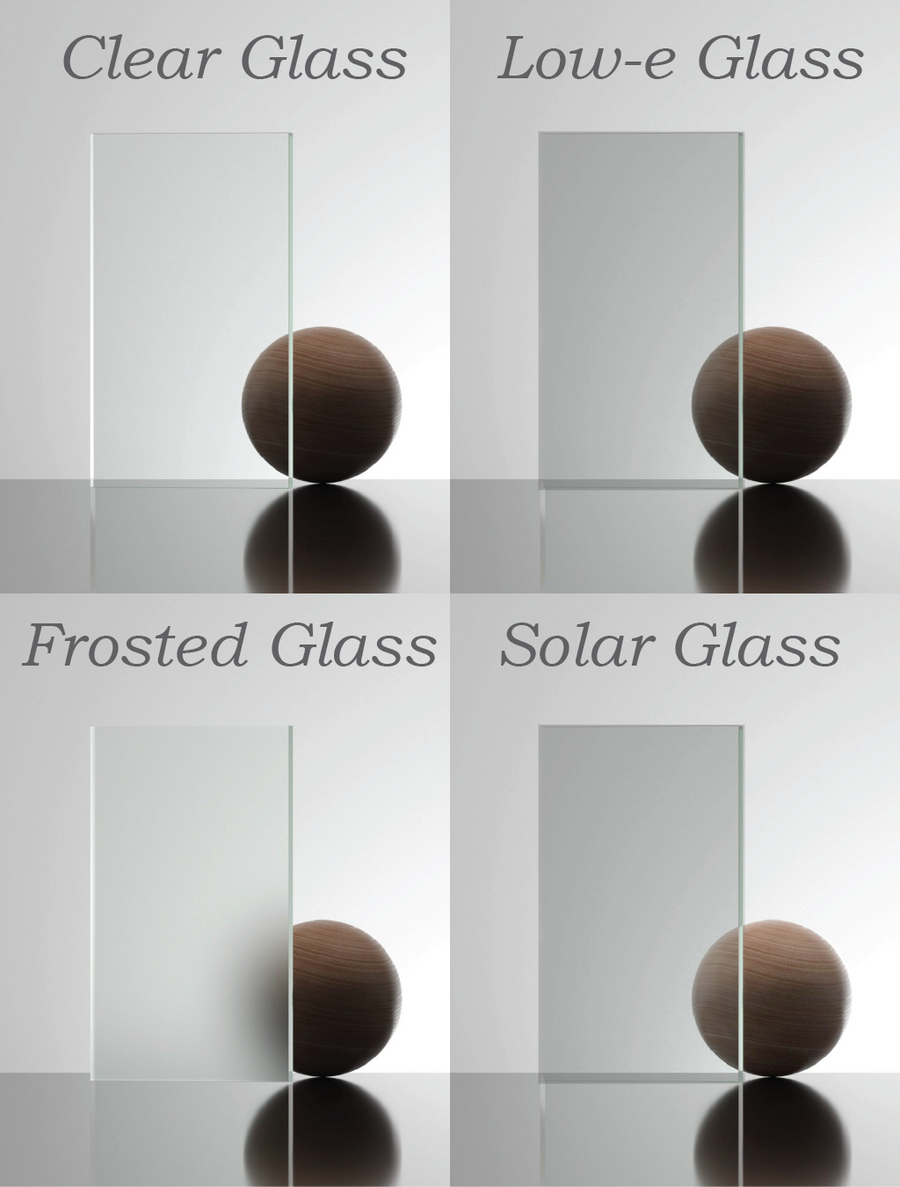
Large glass openings need the right glass package. Low-E insulated glass is strongly recommended for west- and south-facing patios because it reduces heat transfer and glare. Thermally improved aluminum frames can also help, especially when the door covers a large wall area.
Shading matters too. A covered patio, pergola, roof overhang, or exterior shade screen can improve comfort and reduce load on the HVAC system. Door selection and shade planning should happen together, not as separate decisions.

Best Uses for Bi-Fold Doors
- Outdoor kitchens where the whole wall should open during gatherings.
- Pool areas where a wide clear opening improves traffic flow.
- Homes with enough side clearance for stacked panels.
- Projects where the open position matters more than the closed glass view.
Best Uses for Sliding Glass Walls
- Rooms with furniture close to the patio opening.
- Long wall openings where clean horizontal sightlines are important.
- Daily-use doors that need simple operation for kids or guests.
- Modern homes where large glass panels fit the architecture.
Maintenance and Durability
Both systems need clean tracks, correct drainage, and occasional hardware adjustment. In Austin, dust, pollen, and leaves can collect in lower tracks, especially near live oaks and pool decks. A quality installation should include proper sill support and water management so the system does not bind or leak after heavy rain.
Aluminum frames are a strong choice for Central Texas because they resist swelling, warping, and rot. Finish quality still matters. Powder-coated frames hold up better when exposed to sun, sprinklers, and outdoor kitchen moisture.
Design Considerations
For a modern look, choose narrow aluminum frames, dark bronze or black finishes, and larger glass panels. For transitional homes, a slightly divided panel layout can feel warmer and more balanced. If privacy is needed, consider tinted or reflective glass, but test samples first because darker glass can change the feel of the room.
Interior flooring also affects the final result. A low, clean threshold looks beautiful, but exterior drainage must be planned carefully. The best patio door is not only the one that photographs well; it is the one that opens smoothly and keeps water outside during a Texas storm.
FAQ
Are bi-fold doors more expensive than sliding doors?
Sometimes, but not always. Panel count, hardware, glass size, and construction work have more impact than the category alone.
Which option is better for energy efficiency?
Either can perform well with Low-E insulated glass, quality seals, and proper installation. Orientation and shading are major factors in Austin.
Can these systems be used for commercial spaces?
Yes. Restaurants, offices, and event spaces often use aluminum bi-fold or sliding systems to create flexible indoor-outdoor areas.
Plan Your Austin Patio Opening
Texas Glass Door provides bi-fold door systems, sliding door systems, and aluminum door solutions for homes and businesses across Texas. Contact us for measurements, options, and a clear project quote.
Need Help Choosing the Right Door?
Talk to Texas Glass Door for guidance on iron, glass, aluminum, and interior door options tailored to your project.