
Dallas homeowners often ask the same practical question when they replace a patio door: will a larger glass opening make the house hotter? In North Texas, the answer depends less on the size of the glass and more on the glass package, frame, installation, and direction the door faces. A well-built insulated patio door can bring in daylight and backyard views without turning the living room into a heat trap.

Why Insulated Glass Matters in Dallas
Dallas summers put exterior glass under sustained heat, especially on west-facing patios that take direct afternoon sun. Standard single-pane glass transfers heat quickly. Insulated glass units use two panes with a sealed air space between them, which slows heat transfer and helps the room stay more comfortable. When the unit includes Low-E coating, it also reflects a portion of radiant heat while still allowing visible light to pass through.
That combination is important for homes in Dallas, Plano, Frisco, McKinney, Richardson, and Fort Worth where open-concept living rooms often connect directly to covered patios or pools. If the door is old, fogged, hard to slide, or drafty around the frame, replacing it with a modern insulated system can improve comfort and make the space easier to use year-round.
Best Door Types for Patio Openings
Sliding Glass Patio Doors
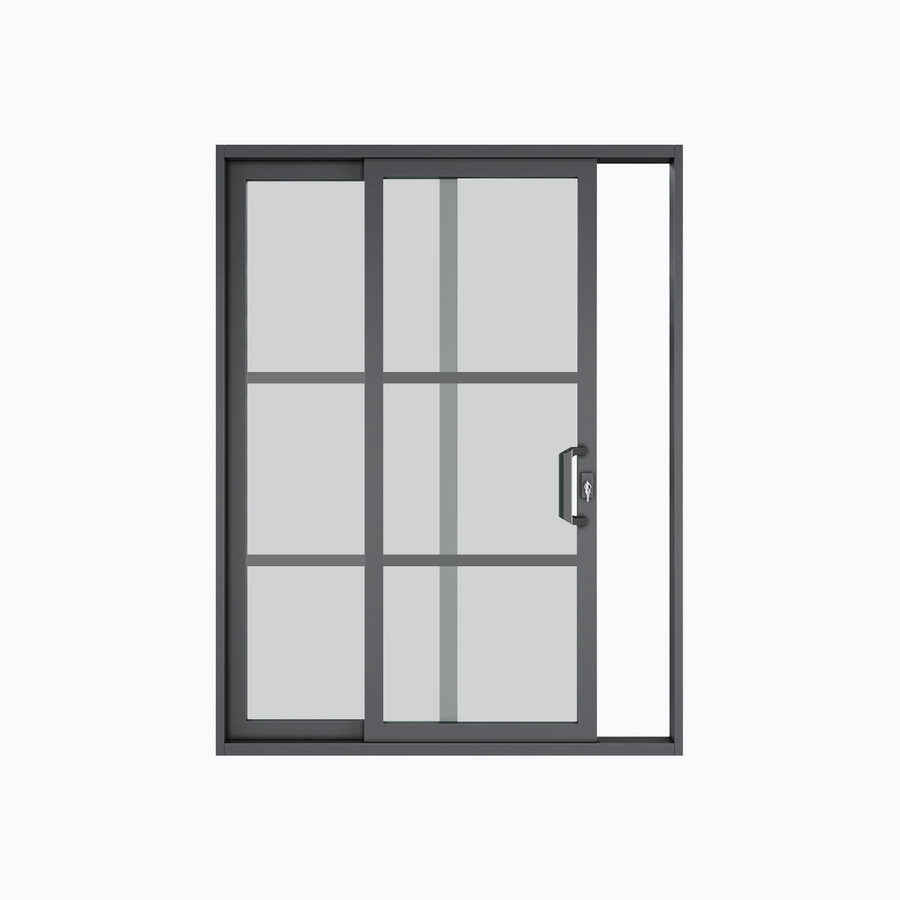
Sliding glass doors are a strong choice when you want a wide view and simple operation. They do not swing into furniture, dining areas, or pool walkways, so they work well in tight layouts. Multi-panel sliders can create a wider opening than a standard two-panel door while still keeping clean sightlines.
Bi-Fold Patio Doors
Bi-fold doors are best when the goal is a dramatic indoor-outdoor connection. Panels fold and stack to the side, opening most of the wall when weather is nice. For Dallas homes with covered patios, outdoor kitchens, or pool entertaining areas, bi-fold systems can make the patio feel like an extension of the living room.
Aluminum Swing Doors
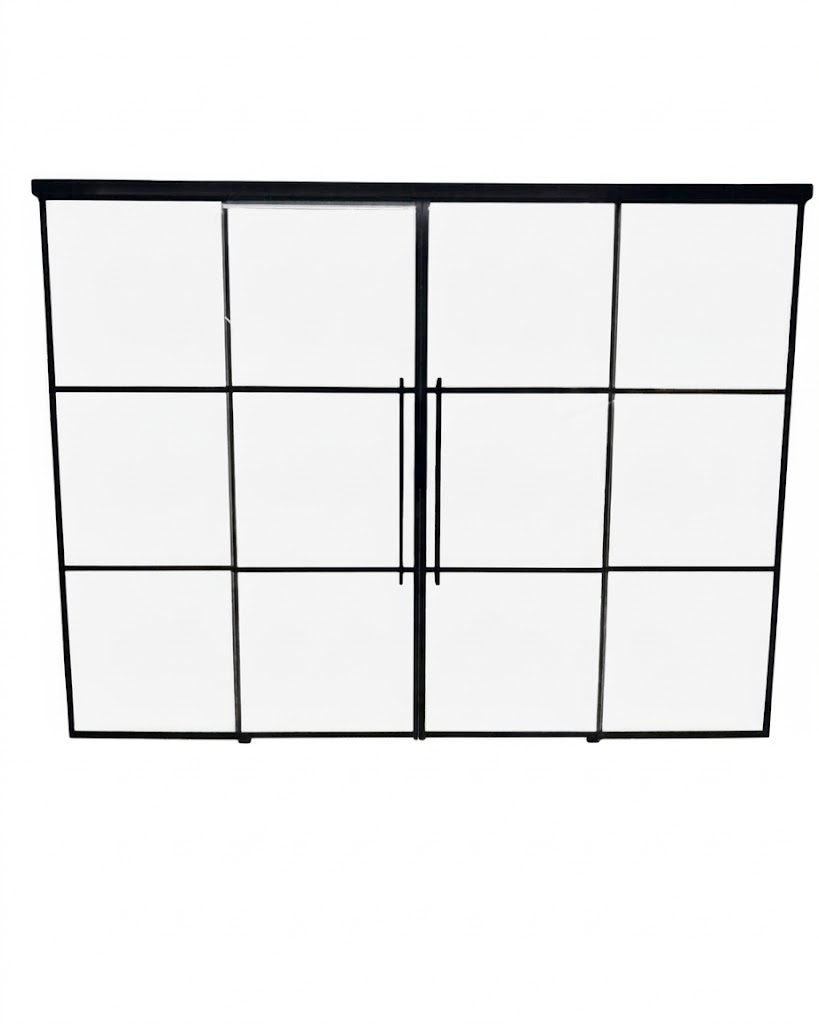
An aluminum glass swing door works well for smaller patio exits, side yards, guest houses, and modern additions. Aluminum keeps the frame slimmer than many wood or fiberglass options, which means more visible glass and a cleaner modern look.

Low-E Glass vs Clear Glass
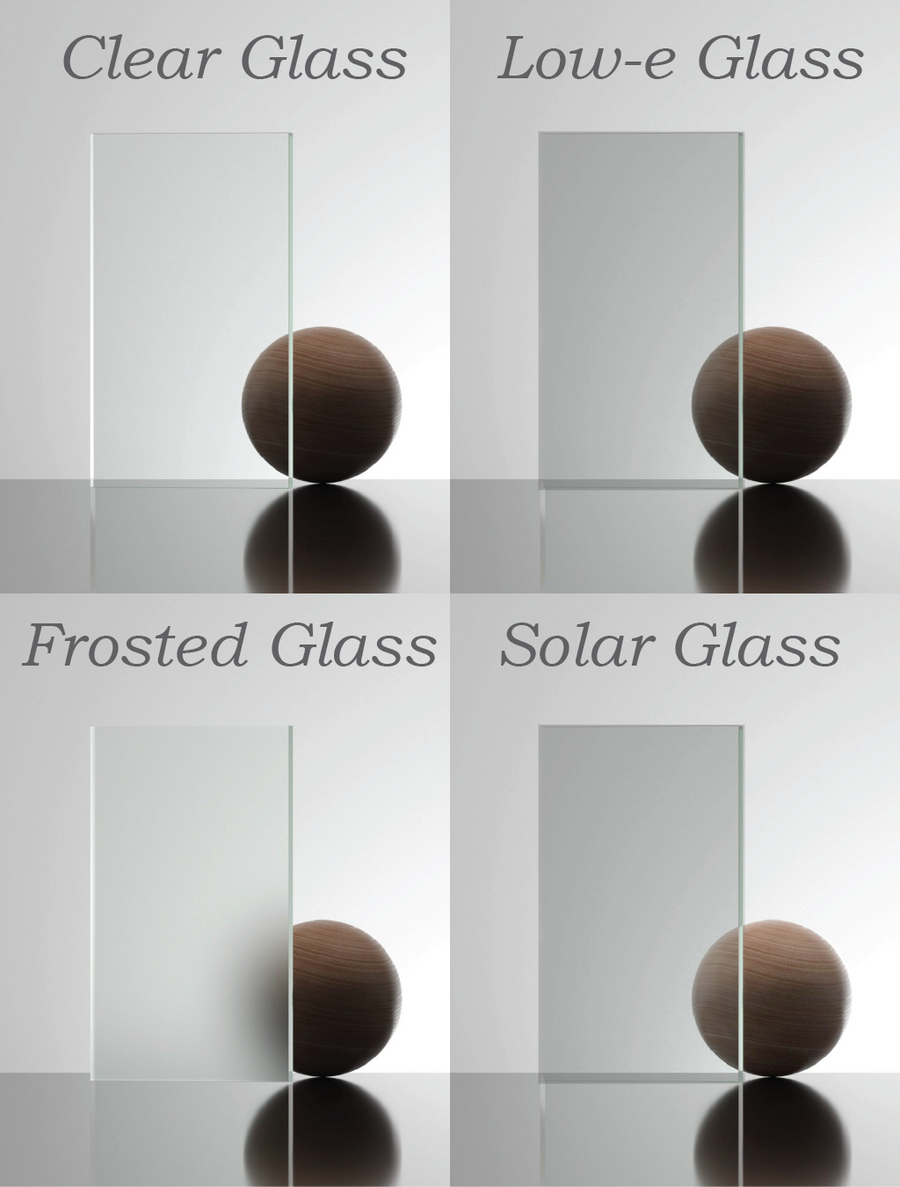
Clear tempered glass is durable and can be appropriate for shaded or north-facing openings. But for south- and west-facing doors in Dallas, Low-E insulated glass is usually the better long-term choice. Low-E helps reduce solar heat gain, softens glare, and protects interior flooring and furniture from harsh sunlight. It is not a substitute for correct shading, but it gives the door a better baseline for Texas conditions.
If the patio receives strong afternoon sun, tinted Low-E glass may also be worth discussing. Tinted glass can reduce glare near pools and bright hardscape, while Low-E focuses on thermal performance. The right choice depends on orientation, overhang depth, room use, and how much natural light you want.
Frame and Installation Details
Glass performance is only part of the project. The frame must be square, sealed, and flashed correctly. A poor installation can create air leaks or water issues even when the door itself is high quality. During measurement, we look at the rough opening, floor level, existing trim, drainage, and whether the replacement needs custom sizing.
For older homes, custom dimensions are common. Trying to force a stock door into an uneven opening can leave gaps or require trim work that looks out of place. A measured replacement gives a cleaner finish and better seal.
Cost Factors
Insulated patio door cost depends on size, number of panels, glass type, frame system, hardware, and installation conditions. A simple two-panel sliding replacement is usually less than a large bi-fold system. Adding Low-E, larger panels, custom color, or premium hardware increases the price, but those upgrades often make sense for daily-use doors in Texas heat.
Common Replacement Problems We See
Many patio door calls start with a practical problem: the panel is difficult to slide, the lock no longer lines up, condensation appears between panes, or hot air can be felt around the frame. These symptoms usually point to worn rollers, failed seals, settling around the opening, or older glass that no longer meets the comfort expectations of the home. During a consultation, those details help determine whether the best fix is service, glass replacement, or a complete new door system.
For Dallas homes with larger backyard openings, we also look at traffic flow. A family that uses the patio several times a day may care more about smooth hardware and screen options, while a homeowner planning outdoor entertaining may prioritize wide clear openings and matching frame color. The right patio door should solve the daily annoyance and improve the way the room works.
What to Prepare Before a Quote
Before requesting pricing, take a few photos from inside and outside, measure the approximate width and height, and note whether the door faces morning or afternoon sun. If there are existing leaks, fogged glass, cracked tile near the threshold, or damaged trim, include those photos too. These details make the first estimate more accurate and help us recommend the correct insulated glass package.
FAQ
Are insulated patio doors worth it in Dallas?
Yes, especially for south- and west-facing openings or rooms that feel hot near the patio. Insulated Low-E glass improves comfort compared with older single-pane doors.
Can I replace only the glass?
Sometimes, but if the frame is worn, out of square, or leaking air, a full door replacement is usually the better fix.
Which is better: sliding or bi-fold?
Sliding is simpler and space-efficient. Bi-fold creates a wider opening and is better for entertaining areas.
Get a Dallas Patio Door Quote
Texas Glass Door helps homeowners choose insulated patio doors, sliding systems, bi-fold doors, and aluminum glass doors for Texas homes. Contact us to schedule measurements and compare options for your project.
Need Help Choosing the Right Door?
Talk to Texas Glass Door for guidance on iron, glass, aluminum, and interior door options tailored to your project.