
Dallas patio and pool homes need more from a sliding door than a wide view. The system has to handle wind, dust, sprinkler overspray, sudden storms, pool traffic, and months of hard sun. One detail makes a bigger difference than many buyers expect: the track. A well-designed sliding patio door track drains water, stays easier to clean, and keeps the panels moving smoothly over years of daily use.

Why Track Design Matters in Dallas
In North Texas, outdoor living spaces see fast weather changes. A sunny afternoon can become a heavy thunderstorm, and pool decks often send water toward the house if the slope is not perfect. If a sliding door track cannot move water away, debris collects, rollers wear out faster, and water can reach the interior flooring.
This is especially important for homes in Dallas, Plano, Frisco, McKinney, Southlake, and Rockwall where large patio openings are popular. Bigger openings mean more glass, more track length, and more exposure to wind-driven rain.
What Makes a Good Sliding Door Track?
Drainage Channels
A quality track includes channels that guide water toward weep holes or exterior drainage points. These channels should remain accessible for cleaning. If they clog with leaves, dust, or pool grit, the best track will still perform poorly.
Raised Interior Leg
The interior side of the threshold should help resist water movement into the home. This detail matters when the patio is exposed or when the door sits close to a pool deck.
Strong Roller Support
Large aluminum sliding panels are heavy. The track must support the rollers evenly so the panels glide instead of dragging. Dragging panels damage rollers, make locks harder to align, and shorten the life of the system.
Serviceable Parts
Dallas dust and outdoor traffic are unavoidable. Choose a sliding system where rollers, locks, and weatherstripping can be adjusted or serviced instead of requiring a full replacement.

Flush Track vs. Raised Track
A flush track creates a cleaner transition from interior flooring to patio. It looks modern and reduces the step-over height. The tradeoff is that drainage and patio slope become more important. A raised track offers better water resistance for exposed openings but creates a more visible threshold.
For covered patios, a lower track can work well. For pool areas, west-facing patios, or openings that receive wind-driven rain, a raised or better-drained track is often the safer choice. The right answer depends on patio slope, roof coverage, opening width, and flooring material.
Sliding Doors for Pool Areas
Pool homes need tracks that tolerate wet feet, sunscreen residue, and grit. Homeowners should plan for regular cleaning and choose durable frame finishes. Black aluminum sliding doors look sharp against modern pool decks, but they should be specified with the right glass and frame package for heat exposure.
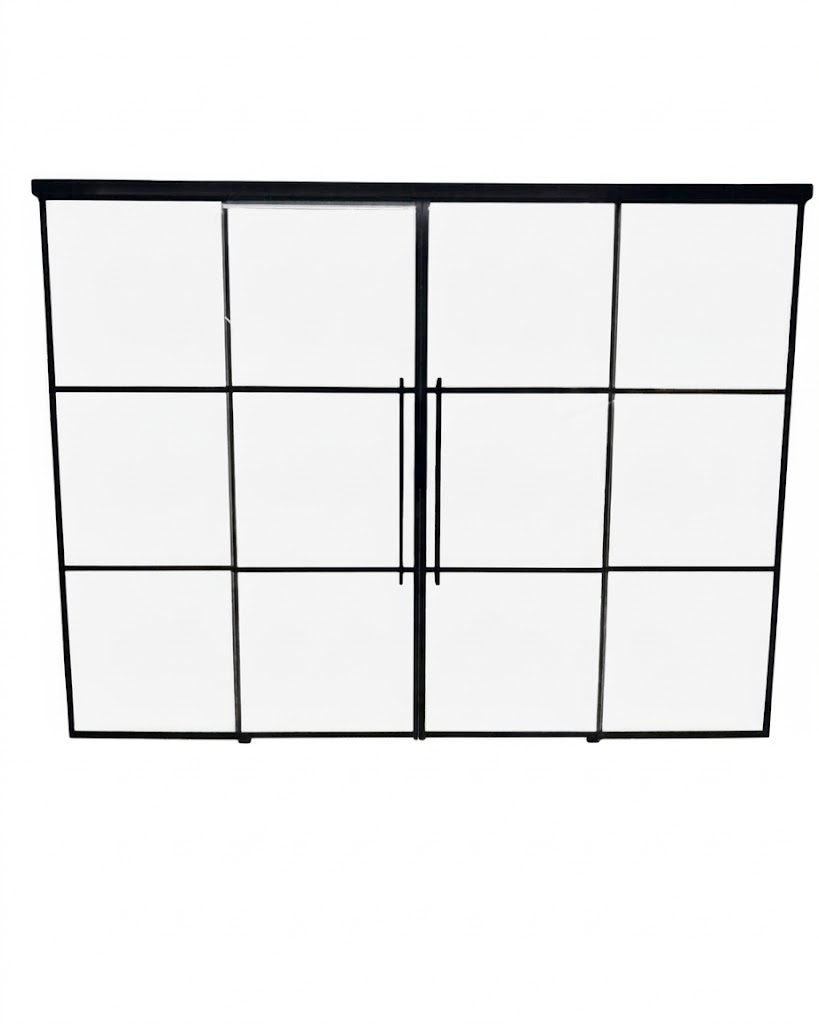
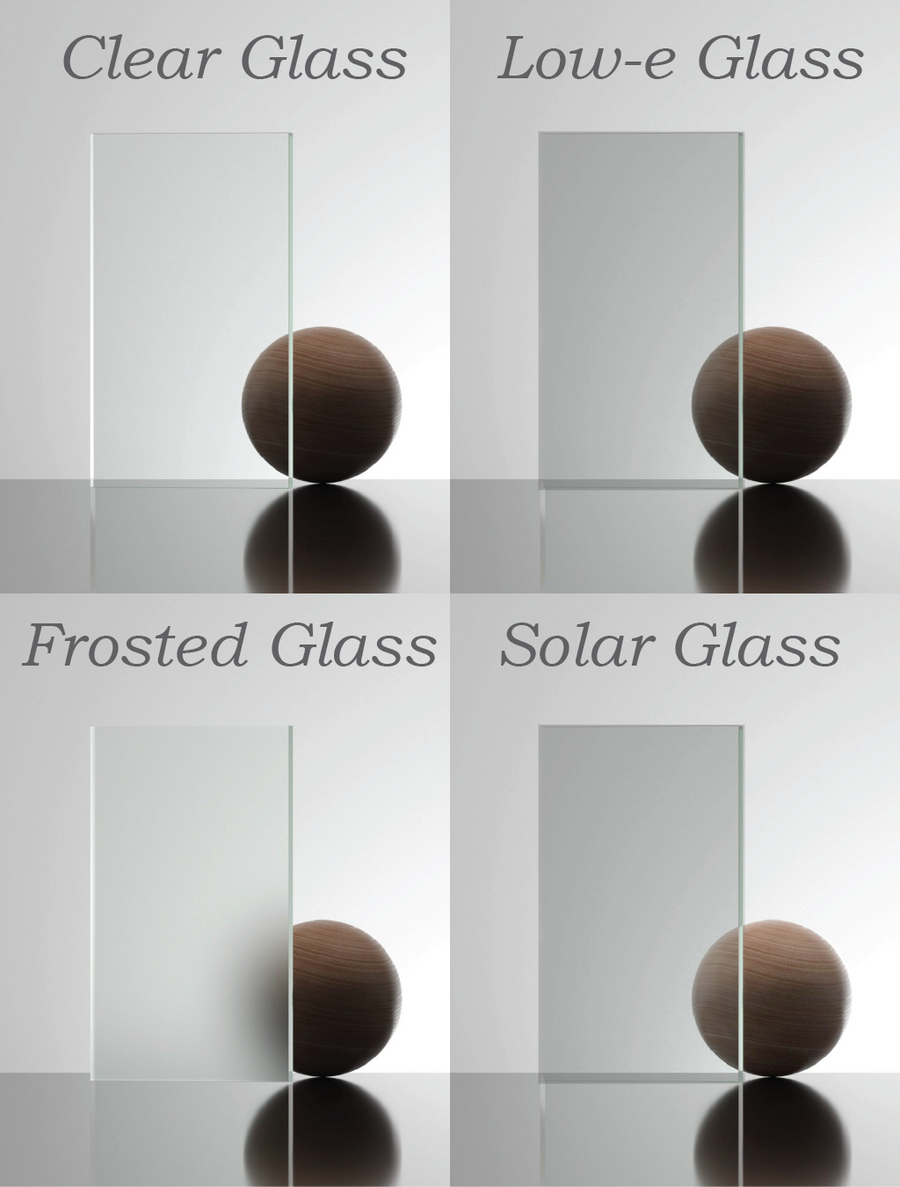
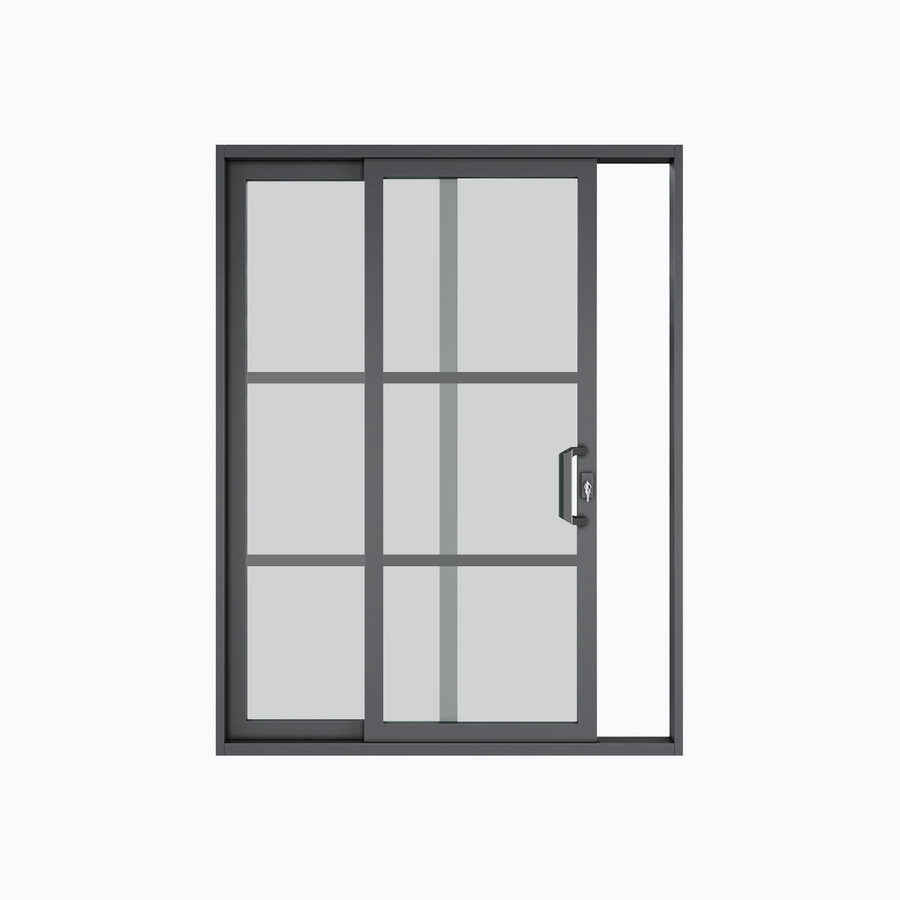
Our sliding door systems can be matched with Low-E insulated glass for heat control and aluminum frames for slim sightlines. For wider openings where the goal is a full open wall, compare sliding systems with bi-fold doors. Sliding panels usually require less swing clearance and are often easier for daily use.
Common Track Problems We See
- Water sitting in the track after rain
- Rollers grinding because dust and grit were never cleaned out
- Panels that no longer lock because the frame shifted or rollers dropped
- Interior flooring swelling near the threshold
- Old vinyl or builder-grade doors flexing in heat
How to Maintain a Sliding Door Track
Clean Monthly During Heavy Use
Vacuum the track and wipe it with a damp cloth. Avoid heavy grease, which can attract more dust.
Check Weep Holes
Make sure drainage openings are clear. After a storm, look for standing water and note how quickly it drains.
Watch the Patio Slope
Water should move away from the door. If the deck slopes toward the house, even a premium door may need added drainage planning.
Adjust Rollers Early
If the panel starts dragging, service it before the roller or track is damaged. Smooth operation protects the lock and weather seals.
Best Specification for Dallas Patio Openings
For many Dallas homes, the ideal package is a thermally improved aluminum sliding door with Low-E insulated glass, a track selected for the exposure level, quality rollers, and professional installation that checks level, square, drainage, and seal contact. This creates a patio door that looks clean but still performs in North Texas weather.
Questions to Ask Before Ordering
Before choosing a sliding patio door, ask how the track drains, where the weep paths exit, whether replacement rollers are available, and how the system performs with the exact glass size you want. Also confirm whether the installer will check patio slope before finalizing the threshold. These questions are practical, not cosmetic. They determine whether the door still slides, locks, and drains properly after several North Texas storm seasons.
For remodels, also review the interior flooring height. Tile, wood, luxury vinyl, and concrete all meet the track differently. A clean transition should still leave enough protection against water intrusion.
FAQ
Are flush tracks safe for Dallas storms?
They can be, but only when the patio is covered, properly sloped, and the system has adequate drainage. Exposed patios often need a more protective threshold.
Do sliding doors need Low-E glass?
For large patio openings in Texas, Low-E insulated glass is strongly recommended. It helps reduce heat gain and improves comfort near the glass.
Is a sliding door better than a bi-fold door?
Sliding doors are excellent for daily use and wide views. Bi-fold doors create a larger clear opening. The best choice depends on how often you want the wall fully open.
Plan Your Dallas Patio Door
Before ordering, measure the opening, check the patio slope, and decide how exposed the door will be to rain and sun. Then contact Texas Glass Door for help choosing the right sliding patio door system for your Dallas-area home.
Need Help Choosing the Right Door?
Talk to Texas Glass Door for guidance on iron, glass, aluminum, and interior door options tailored to your project.