Replacing a patio door in Houston is not just a design decision. Heat, humidity, wind-driven rain, insects, and heavy use all affect which door system will perform well. A low-cost patio door can look acceptable on day one but become frustrating if it leaks air, fogs between panes, sticks on the track, or lets too much heat into the living room. The best choice depends on opening size, exposure, glass type, drainage, and how you actually use the patio.

What Drives Patio Door Replacement Cost?
Houston patio door replacement cost is shaped by five main items: the door system, the glass package, opening size, installation labor, and finish details. A standard two-panel sliding door is typically the most budget-friendly. Multi-panel sliding doors cost more because they require stronger tracks, larger glass panels, and more precise installation. Bi-fold doors usually cost more than basic sliders, but they create a much wider opening for entertaining and pool access.
Installation can change the budget quickly. If the existing frame has water damage, the slab is out of level, or the opening needs reframing, labor increases. Houston homes with brick, stucco, or older patio additions may need extra care around flashing and drainage.
Sliding Patio Doors
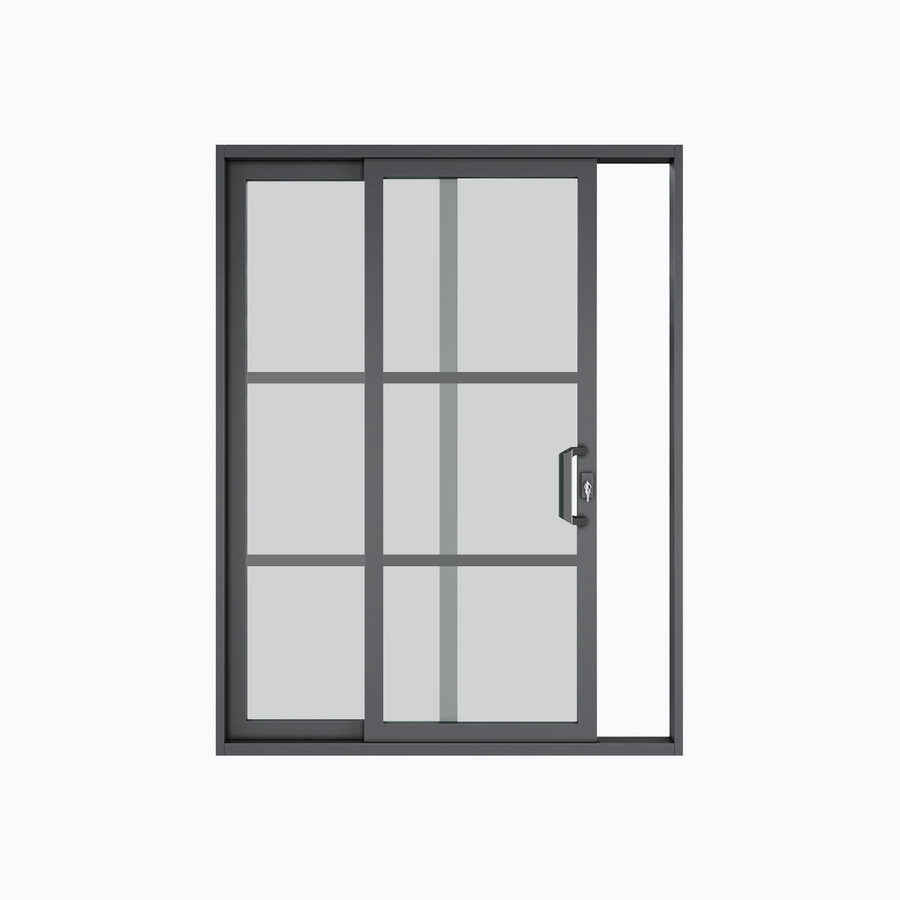
Sliding doors are a practical choice for Houston because they do not need swing space. They work well near pools, outdoor kitchens, and smaller patios where furniture sits close to the opening. Modern aluminum sliding systems can use larger glass panels than older vinyl units, giving the home more daylight and a cleaner view.
Best Uses
Choose sliding doors when you want daily convenience, strong weather sealing, and a lower profile opening. For many Houston homes in Katy, Sugar Land, Pearland, and Cypress, a multi-panel slider gives the right balance of cost and performance.
Watch the Track
The track is critical. Houston rain can overwhelm poorly planned thresholds. The replacement should include a level sill, clean drainage path, and proper exterior flashing so water does not sit against the frame.
Bi-Fold Patio Doors
Bi-fold systems fold and stack to the side, opening most of the wall. They are popular for covered patios, outdoor kitchens, and homes where the living room is designed around entertaining. The tradeoff is cost and planning. Bi-folds need a stable opening, good header support, and enough stack space for the panels.
If the patio is uncovered and receives heavy wind-driven rain, the design should be reviewed carefully. Bi-fold doors can perform well, but threshold choice and installation quality matter. A covered patio or deep overhang makes the system more forgiving in Houston weather.

Low-E Insulated Glass in Houston
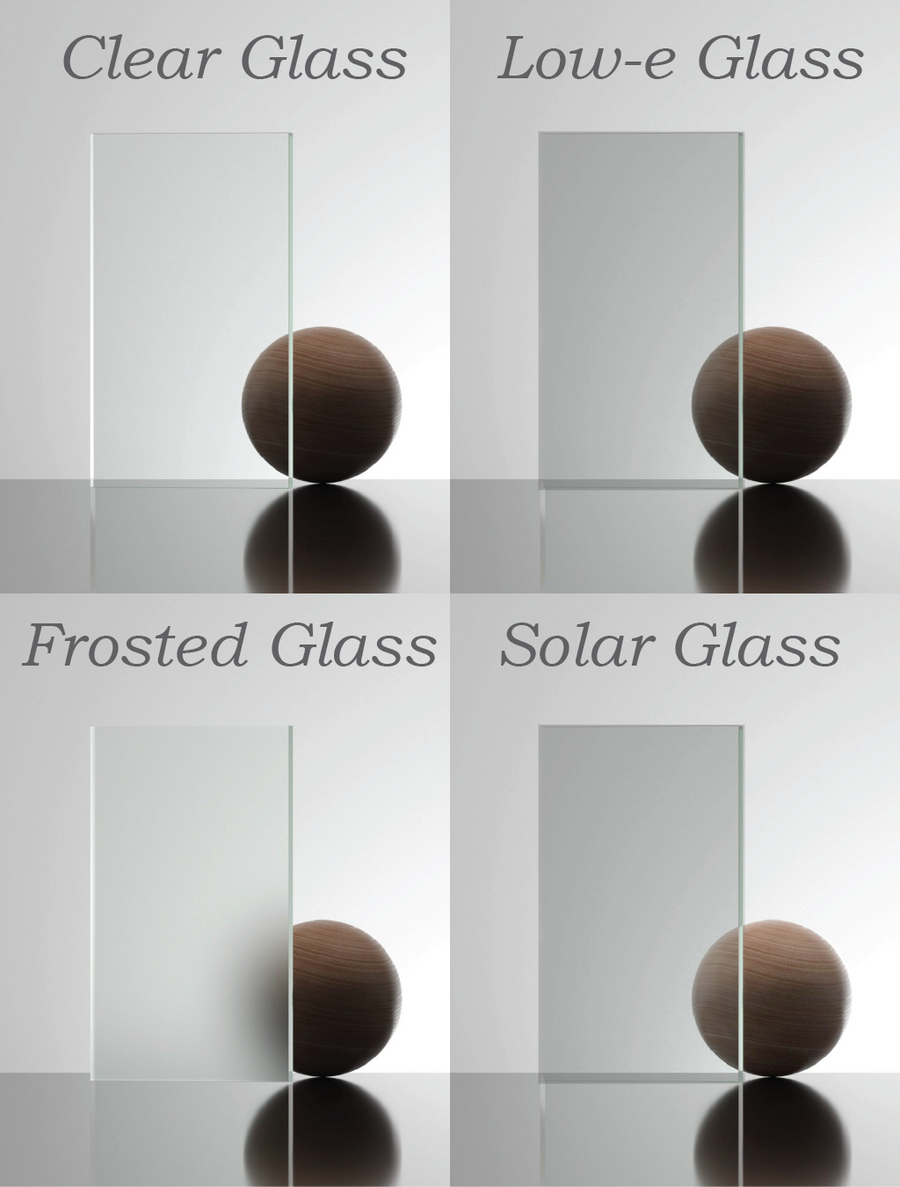
Low-E insulated glass is one of the best upgrades for Houston patio doors. It helps reduce heat transfer and glare while keeping the room brighter than heavy window coverings would. For west-facing patios, this upgrade can make the difference between a comfortable living room and a room that overheats every afternoon.
Insulated glass also helps with condensation. Houston humidity can create moisture issues around weak frames and single-pane glass. Better glass will not solve every moisture problem, but it reduces temperature swings on the interior glass surface.
Aluminum vs Vinyl vs Iron Patio Systems
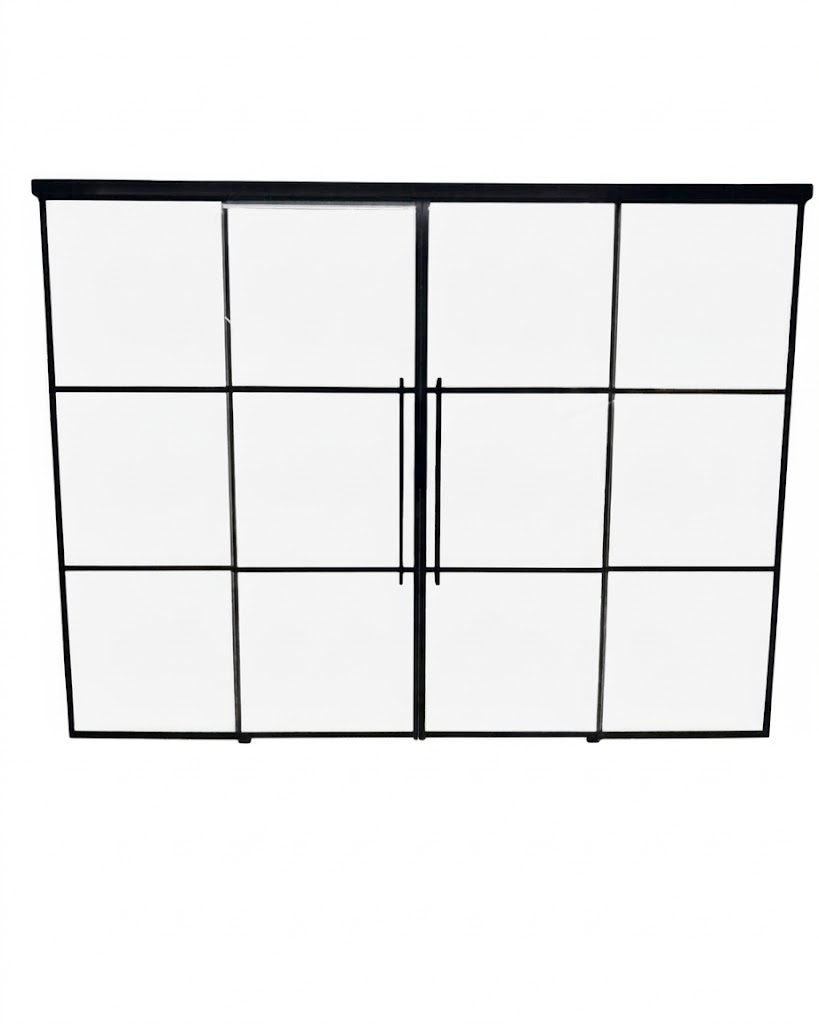
Aluminum is strong, slim, and modern, which makes it a good match for large glass doors. Vinyl can be more budget-oriented but may have bulkier profiles and more size limits. Iron is best when the patio door is also a design statement, especially for French-style openings. For large patio walls, aluminum sliding and bi-fold systems are usually the most practical options.
Planning Checklist Before Ordering
- Measure the full opening width and height, not just the active panel.
- Note whether the patio faces east, west, north, or south.
- Check for water stains, soft trim, or swollen flooring near the existing door.
- Decide whether you need a wide opening or just a better daily-use door.
- Choose Low-E insulated glass for sunny or high-use rooms.
How to Avoid Common Replacement Problems
The most common Houston patio door problems come from rushed measurement and weak water management. A replacement should not simply cover the old opening. The installer should check whether the existing frame was leaking, whether the subfloor has damage, and whether exterior caulk was hiding a deeper drainage issue. If the old door was difficult to slide, the cause may be a worn roller, but it may also be a sagging opening or an uneven slab.
Ask for the glass specification in writing, including whether the unit is insulated and whether it includes Low-E coating. Also confirm screen options, handle finish, lock style, and whether the track is easy to clean. These smaller details affect daily use more than most homeowners expect.
FAQ
Is a sliding door cheaper than a bi-fold door?
In most replacement projects, yes. Sliding systems usually require fewer panels and less specialized hardware than bi-fold systems.
Do Houston patio doors need Low-E glass?
Low-E glass is strongly recommended for sunny exposures, especially west and south-facing patios. It improves comfort and reduces glare.
Can I replace a two-panel slider with a larger opening?
Sometimes. The wall structure, header, exterior finish, and floor conditions must be reviewed before enlarging the opening.
Which patio door is best near a pool?
Sliding doors are often easiest for daily pool access. Bi-fold doors are better when the goal is a wide open entertainment space.
Get a Houston Patio Door Quote
Texas Glass Door can help compare sliding, bi-fold, aluminum, iron, and Low-E glass options for your Houston-area home. Send photos and rough measurements to start. Contact us for a free consultation.
Need Help Choosing the Right Door?
Talk to Texas Glass Door for guidance on iron, glass, aluminum, and interior door options tailored to your project.