The Glass Door Security Question
It's one of the most common concerns we hear from Texas homeowners considering a glass front door: 'It looks amazing, but won't it be easy to break into?'
It's a fair question. And the honest answer is: it depends entirely on the type of glass you choose. With the right glass specification, a glass door can actually be more resistant to forced entry than many solid wood doors. With the wrong glass, the concern is valid.
This guide breaks down everything you need to know about glass security — so you can make a confident, informed choice.
Understanding Glass Breakage: Not All Glass Is Equal
There are three fundamentally different ways glass can be engineered to behave when impacted:
1. Annealed Glass (Standard / Float Glass)
This is basic, unmodified glass. When broken, it shatters into large, sharp, irregular shards that are dangerous and provide virtually no security — an intruder can knock it out quickly and cleanly. Annealed glass should never be used in exterior doors.
2. Tempered Glass (Safety Glass)
Tempered glass is heat-treated to increase strength — it's approximately 4 times stronger than annealed glass of the same thickness. When it does break, it shatters into small, relatively harmless pebbles rather than dangerous shards. This is why it's required by building code for all glass doors in Texas.
However, tempered glass is breakable. A sharp, focused strike with a hard object can cause it to shatter completely and quickly. For security-conscious applications, tempered glass alone is not enough.
3. Laminated Glass (Security Glass)
Laminated glass consists of two or more glass layers bonded together with a tough plastic interlayer (typically PVB or SGP). When struck, the glass may crack and break, but the interlayer holds the fragments in place. The door panel remains intact — creating a significant barrier to forced entry.
Laminated glass is the gold standard for security applications. Here's why:
- Breaking through laminated glass requires sustained, repeated effort — typically minutes, not seconds.
- The noise and time required to breach laminated glass is a powerful deterrent. Most opportunistic burglars will give up and move on.
- Even after breaking the glass layers, an intruder must punch or cut through the tough interlayer — which is extremely difficult without tools.
Security Glass Options by Threat Level
Standard Residential Security (Most Texas Homes)
Recommendation: Laminated glass, minimum 3/8" total thickness with a standard PVB interlayer.
This provides excellent protection against opportunistic break-ins, rocks, and smash-and-grab attempts. It meets the security needs of the vast majority of residential glass door applications in Texas neighborhoods.
Enhanced Security (Larger Homes, High-Value Properties)
Recommendation: Laminated glass with SGP (SentryGlas) interlayer, 7/16" to 1/2" total thickness.
SGP interlayers are significantly tougher than standard PVB — about 5 times stronger. This specification is used in hurricane-resistant and high-security doors. For Texas homes in storm-prone areas, this glass does double duty as both security and impact protection.
High-Security / Commercial Applications
Recommendation: Multi-layer laminated security glass or certified bullet-resistant glass (UL-listed ratings).
For homes in sensitive locations, high-net-worth properties, or commercial applications where the threat level is elevated, multi-layer laminated glass and certified ballistic glass are available. Contact Texas Glass Door for specifications.
Other Security Factors Beyond the Glass
Glass is only one part of the security equation. For a truly secure glass door, pay attention to:
- Frame strength: The door frame must be as strong as the glass. Steel frames offer superior resistance to kick-in and pry attacks versus wood or aluminum frames.
- Multi-point locking systems: Unlike a standard single-latch lock, a multi-point lock engages at three or more points along the door edge, dramatically increasing resistance to kick-in attacks.
- High-security hinges: For hinged glass doors, use hinges with anti-lift pins and security studs that prevent the door from being removed even if the hinge pins are exposed.
- Reinforced strike plates: The weakest point on most doors is the strike plate. Use a heavy-gauge steel strike plate with 3" screws that penetrate into the wall framing.
Texas-Specific Considerations
In Texas, security glass intersects with two other important factors:
- Hurricane and storm impact: In coastal areas of Texas (Houston, Corpus Christi, Galveston), impact-rated laminated glass is not just a security feature — it's a storm protection requirement. Impact-rated glass (ASTM E1886/E1996) provides both wind-borne debris protection and superior security.
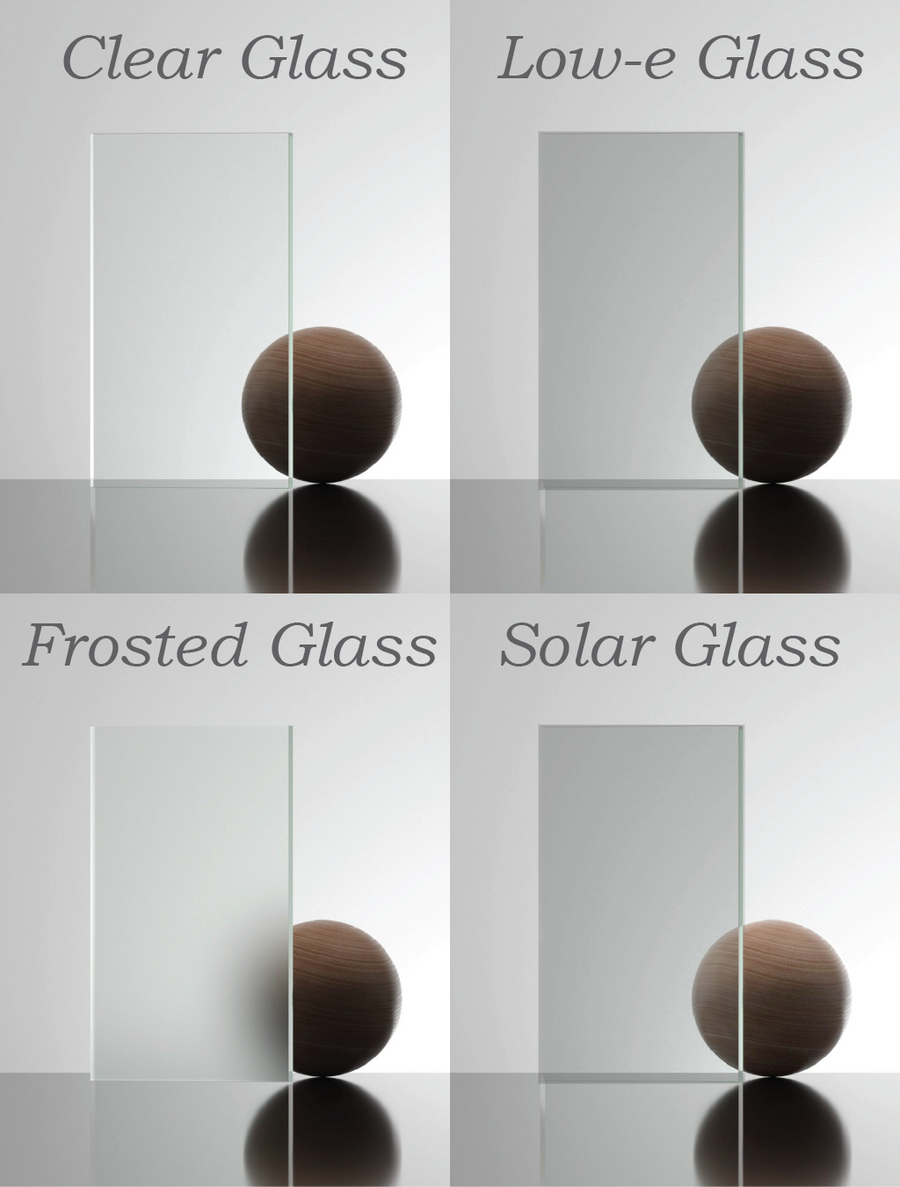
- UV and heat performance: Security glass can be combined with Low-E coatings for dual performance — protecting your home from both intruders and Texas heat. Ask about combined security + Low-E specifications.
The Reassuring Bottom Line
A properly specified glass door with laminated security glass, a quality multi-point lock, and a solid steel or reinforced frame is not a security liability — it's a security asset. The glass door anxiety most homeowners feel is based on outdated assumptions about what glass can do.
At Texas Glass Door, our team can help you specify the right glass and hardware combination for your security needs and budget. Explore our secure glass door options or speak with our team for a security consultation.
Need Help Choosing the Right Door?
Talk to Texas Glass Door for guidance on iron, glass, aluminum, and interior door options tailored to your project.