
The Texas Heat Problem
If you've lived in Texas for more than one summer, you know the brutal reality: the sun beats down relentlessly from May through September, and keeping your home cool can feel like a losing battle. One of the biggest culprits for heat gain — and high energy bills — is your glass. Whether it's your entry door, patio door, or sidelights, the glass you choose makes an enormous difference in your home's thermal performance.
In 2026, Low-E (low-emissivity) glass has become the gold standard for Texas homes. But what exactly is it, and is it worth the upgrade? Let's break it down.
What Is Low-E Glass?
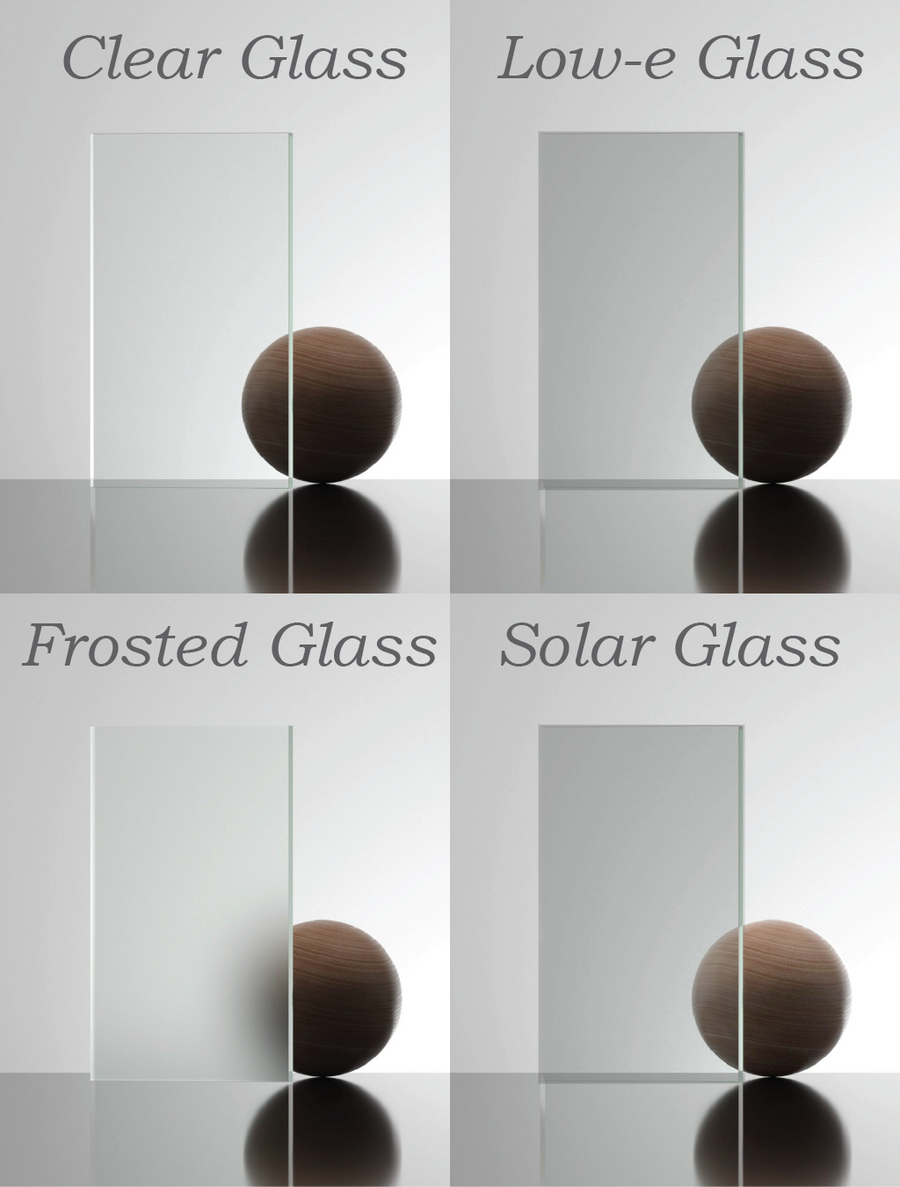
Low-E glass is coated with a microscopically thin, virtually invisible metallic layer that reflects infrared light (heat) while still allowing visible light to pass through. Think of it as sunscreen for your windows and doors — it blocks the harmful (heat-carrying) rays while keeping your home bright and welcoming.
There are two main types of Low-E glass:
- Hard-coat Low-E (pyrolytic): Applied during manufacturing when the glass is molten. More durable but slightly less efficient. Good for mild climates.
- Soft-coat Low-E (sputter-coated): Applied in a vacuum after manufacturing. More efficient at blocking heat and UV rays — the preferred choice for Texas's intense climate.
Low-E Glass vs. Regular Glass: Side-by-Side Comparison
Here's how the two stack up in practical terms for a Texas homeowner:
| Feature | Regular Glass | Low-E Glass |
|---|---|---|
| Heat blocking | Minimal | Up to 70% reduction in heat gain |
| UV protection | Low (~25%) | High (up to 99%) |
| Visible light | High | High (minimal tint) |
| Energy savings | None | 10–25% on cooling costs |
| Furniture fading | Significant over time | Greatly reduced |
| Cost | Lower upfront | Higher upfront, lower lifetime cost |
Is Low-E Glass Worth It in Texas?
In most parts of the country, the answer depends on climate. In Texas, the answer is almost always yes. Here's why:
- Extreme solar exposure: Texas ranks among the top states for solar radiation. Low-E glass directly targets this.
- Long cooling seasons: Texas homes run AC for 6–8 months per year. Energy savings compound quickly.
- UV protection: Intense Texas sun fades furniture, flooring, and artwork fast. Low-E glass protects your interiors without blocking views.
- ROI: Most Texas homeowners recoup the cost difference in 3–5 years through reduced energy bills.
Low-E Glass for Doors: What to Look For
When shopping for glass doors with Low-E technology, look for these specifications:
- Solar Heat Gain Coefficient (SHGC): For Texas, aim for 0.25 or lower. This measures how much solar heat passes through the glass.
- U-Factor: Measures how well the door insulates. Look for 0.30 or lower for maximum efficiency.
- ENERGY STAR certification: Products meeting the Southern Climate Zone requirements are ideal for Texas homes.
- Double or triple pane: Low-E coatings work best when combined with insulated glass units (IGUs) for maximum performance.
The Bottom Line
Regular glass was fine when energy was cheap and Texas summers were slightly more forgiving. In 2026, with energy costs on the rise and climate trends intensifying, Low-E glass isn't a luxury — it's a smart, practical investment for any Texas homeowner thinking about glass doors or sidelights.
At Texas Glass Door, all of our glass door options are available with high-performance Low-E coatings suited to the Texas climate. Browse our collection or contact our team to find the right glass specification for your home.
Need Help Choosing the Right Door?
Talk to Texas Glass Door for guidance on iron, glass, aluminum, and interior door options tailored to your project.