Austin homes are designed around light. Large entries, glass patio walls, and open living rooms look great, but Central Texas heat can turn beautiful glass into a comfort problem if the door package is not chosen carefully. For homeowners comparing custom iron doors, aluminum glass doors, pivot doors, and patio systems, Low-E insulated glass is one of the most important upgrades to understand.

What Low-E Insulated Glass Actually Does
Low-E stands for low emissivity. In simple terms, it is a very thin coating on the glass that helps reflect heat while still allowing visible light through. Insulated glass usually means two panes of glass separated by a sealed air or argon-filled space. When those two features are combined, the door can bring in natural light without letting as much outdoor heat move into the house.
That matters in Austin because many front entries and patio doors face strong afternoon sun. A standard clear glass door may look similar in a showroom, but in daily use it can feel hotter near the entry, increase glare, and make the HVAC system work harder. Low-E insulated glass helps reduce that heat gain while preserving the clean glass look people want.
Why Austin Climate Changes the Door Decision
Austin is not just hot; it has long cooling seasons, bright sun, sudden storms, and many neighborhoods with exposed entries. Homes in Westlake, Bee Cave, Lakeway, Round Rock, Cedar Park, and South Austin often use larger glass openings to capture views or connect indoor spaces to patios. That design choice makes the door more than a decorative feature. It becomes part of the home envelope.
If a door is selected only by style, the room behind it may need heavier shades, more air conditioning, or a second replacement sooner than expected. A better approach is to choose the style and the performance package together. The frame, glass, threshold, sweep, and weatherstripping should all support the way the home faces the sun.
Best Door Types for Low-E Glass in Austin
Custom Iron Entry Doors
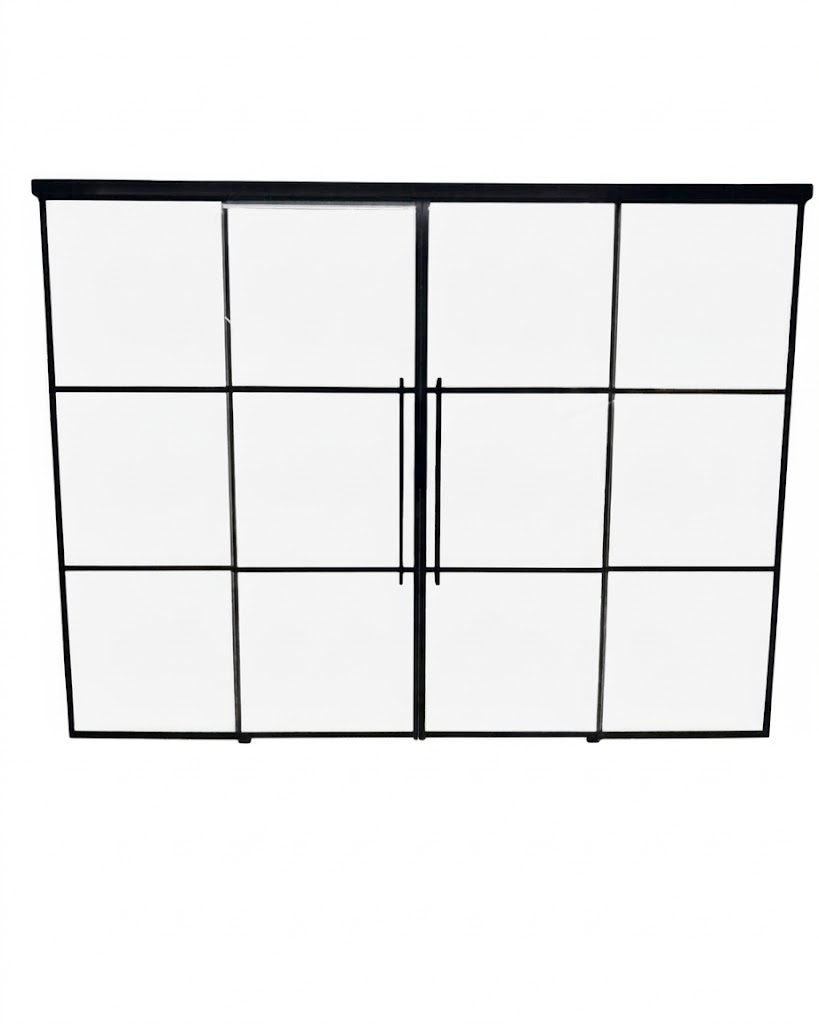
Custom iron single doors and iron double French doors are popular for Austin homes that want security and curb appeal. If the entry faces south or west, insulated Low-E glass is strongly recommended. For the best performance, pair the glass with a thermal break iron door so the frame does not transfer as much heat.
Aluminum Glass Doors
Aluminum swing doors work well for modern homes, backyard studios, pool houses, and commercial-style residential projects. Aluminum is clean and minimal, but it is also a conductive metal. That is why a proper glass package and thermal break construction matter when the door gets direct Texas sun.
Sliding and Patio Door Systems
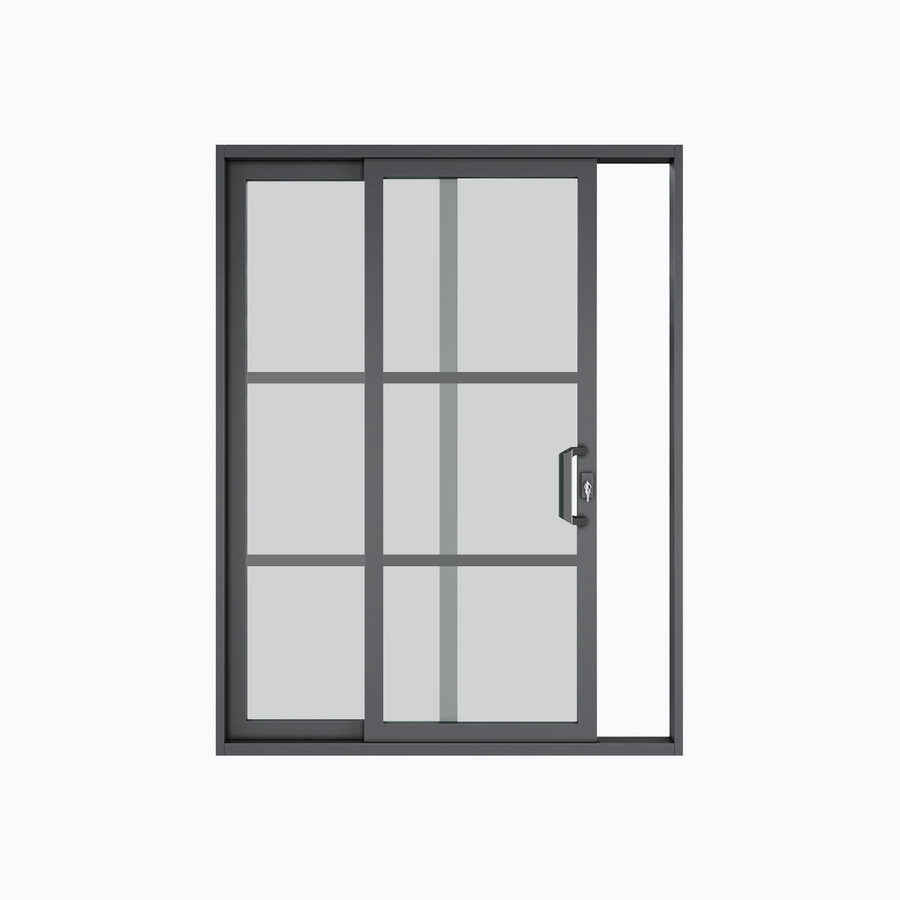
Large sliding glass doors and patio systems create wide views, especially in Hill Country, Lake Travis, Bee Cave, Westlake, and Round Rock homes. Because the glass area is much larger than a standard front door, Low-E insulated glass has an even bigger effect on comfort.

Low-E vs. Tinted Glass
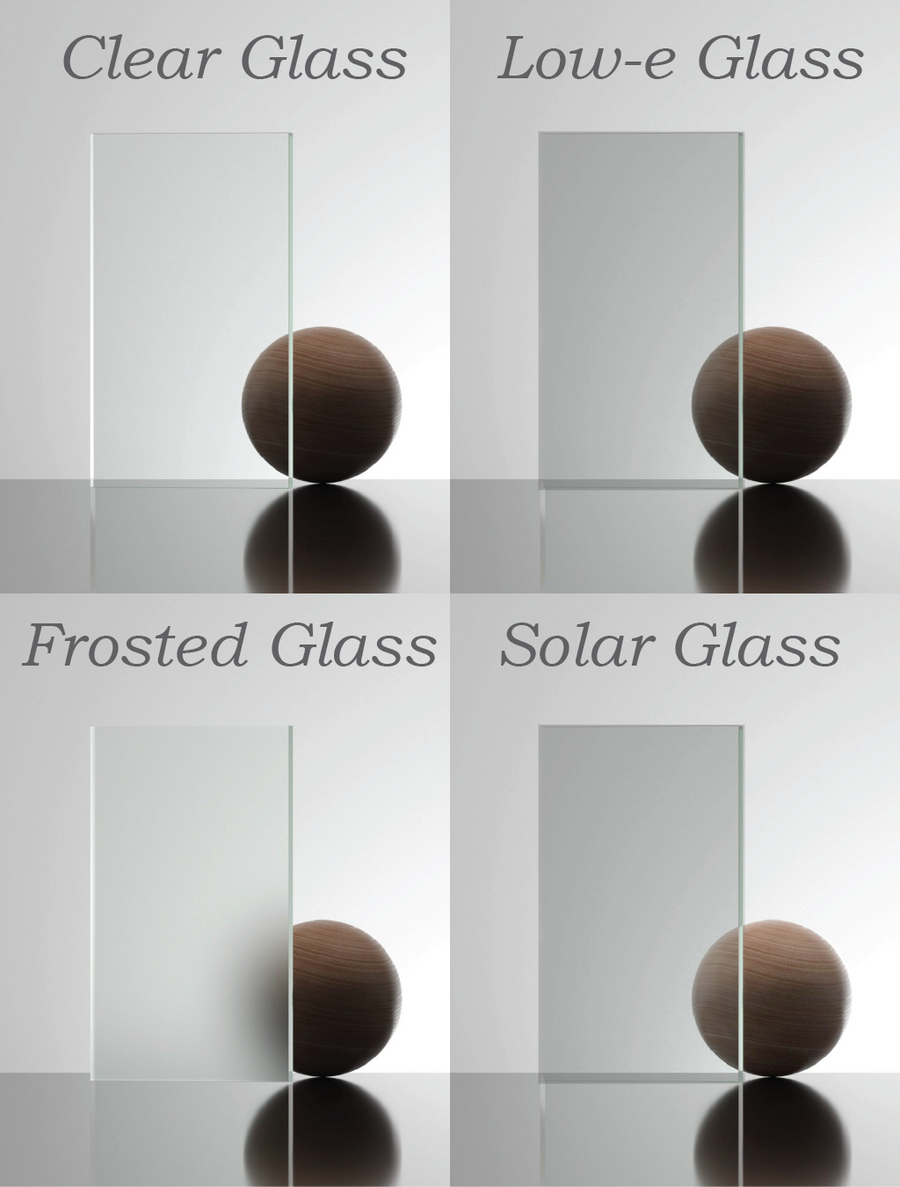
Low-E and tinted glass are not the same upgrade. Tinted glass darkens the appearance and can reduce glare. Low-E glass targets heat transfer while keeping a clearer appearance. Some homeowners choose both, especially for west-facing patio doors, but many front entries look better with clear Low-E insulated glass because it keeps the entry bright.
When Low-E Glass Is Worth the Cost
Low-E insulated glass is usually worth considering when the door faces direct sun, the room behind the door gets hot, the opening is large, or the home uses a modern design with more glass. It is also valuable when replacing an older door that leaks air around the frame or has single-pane glass.
The upgrade is less critical for a shaded north-facing entry or a small decorative glass panel that receives little sun. Still, many Austin homeowners choose it because it improves comfort and makes the door feel more premium over time. It also helps protect flooring, rugs, and furniture near the entry from constant sun exposure.
Installation Details That Affect Performance
The glass package is only one part of the system. A custom door should be measured accurately, sealed correctly, and installed with attention to threshold, weatherstripping, frame alignment, and water management. If the frame is out of square or the threshold leaks air, the benefit of better glass is reduced.
For remodels, Texas Glass Door can review photos, rough measurements, and the existing opening before recommending the right door type. For new construction, it is best to coordinate the rough opening early so the final unit fits cleanly without filler trim or late framing changes.
Questions to Ask Before Ordering
Before choosing a door, note which direction the opening faces, whether it gets direct afternoon sun, how large the glass area will be, and whether the room currently feels hotter than nearby rooms. Also consider privacy, HOA style requirements, and whether you prefer clear, frosted, tinted, or divided-lite glass. These details help narrow the options quickly and prevent paying for features that do not solve the real problem.
FAQ
Does Low-E glass make the door look dark?
Not usually. Clear Low-E insulated glass can look very similar to regular clear glass, depending on the coating. Tinted glass changes the appearance more noticeably.
Is Low-E glass enough for a west-facing Austin entry?
It helps a lot, but the best result usually comes from Low-E insulated glass, a quality frame, good weatherstripping, and, for metal doors, thermal break construction.
Can I use Low-E glass in an iron pivot door?
Yes. Low-E insulated glass is a smart choice for many iron pivot doors, especially tall doors with large glass panels.
Talk to Texas Glass Door
If you are planning a custom entry, patio door, or glass wall system in Austin, contact Texas Glass Door. We can help compare Low-E, insulated, tinted, and clear glass options for your opening and budget.
Need Help Choosing the Right Door?
Talk to Texas Glass Door for guidance on iron, glass, aluminum, and interior door options tailored to your project.