In Dallas and the wider DFW area, a glass door can be the best-looking part of a home and still become a weak point if the glass package is wrong. Afternoon sun, large west-facing openings, and long cooling seasons all put pressure on entry doors, patio doors, and interior-to-exterior glass systems. That is why homeowners comparing custom iron doors, aluminum patio doors, sliding doors, and glass walls often ask whether Low-E insulated glass is worth the upgrade.

The short answer: for many Texas homes, yes. Low-E insulated glass is not about making a door look different. It is about controlling heat transfer, reducing glare, improving comfort near the door, and helping the HVAC system work less aggressively during summer. The right choice depends on direction, shade, room use, frame type, and budget.
What Low-E Insulated Glass Means
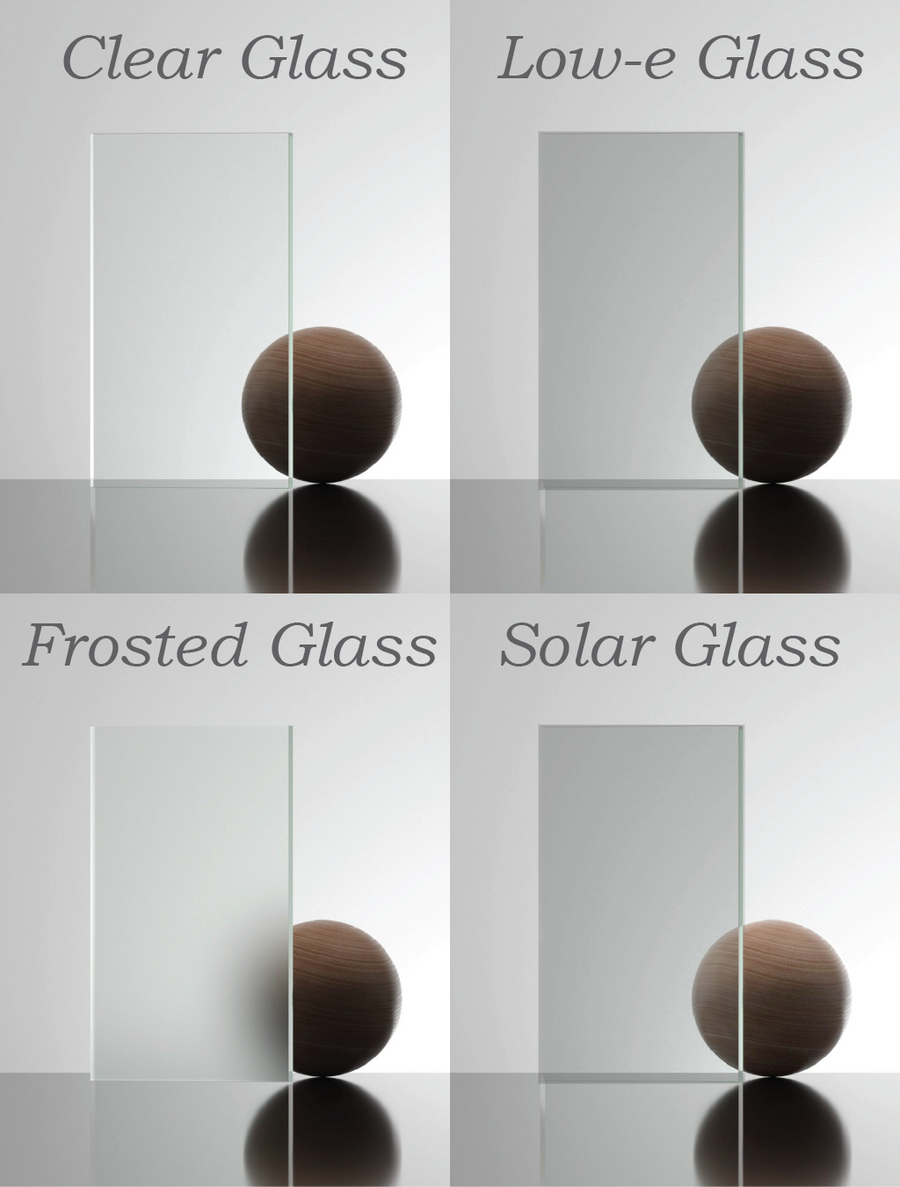
Insulated glass usually means two panes of glass separated by a sealed air space. Low-E, short for low emissivity, is a thin coating that helps reflect radiant heat. In a Texas home, that coating can reduce solar heat gain from direct sun while still allowing natural light into the room. For doors, this is especially important because the opening may be used every day and may cover much more wall area than a standard window.
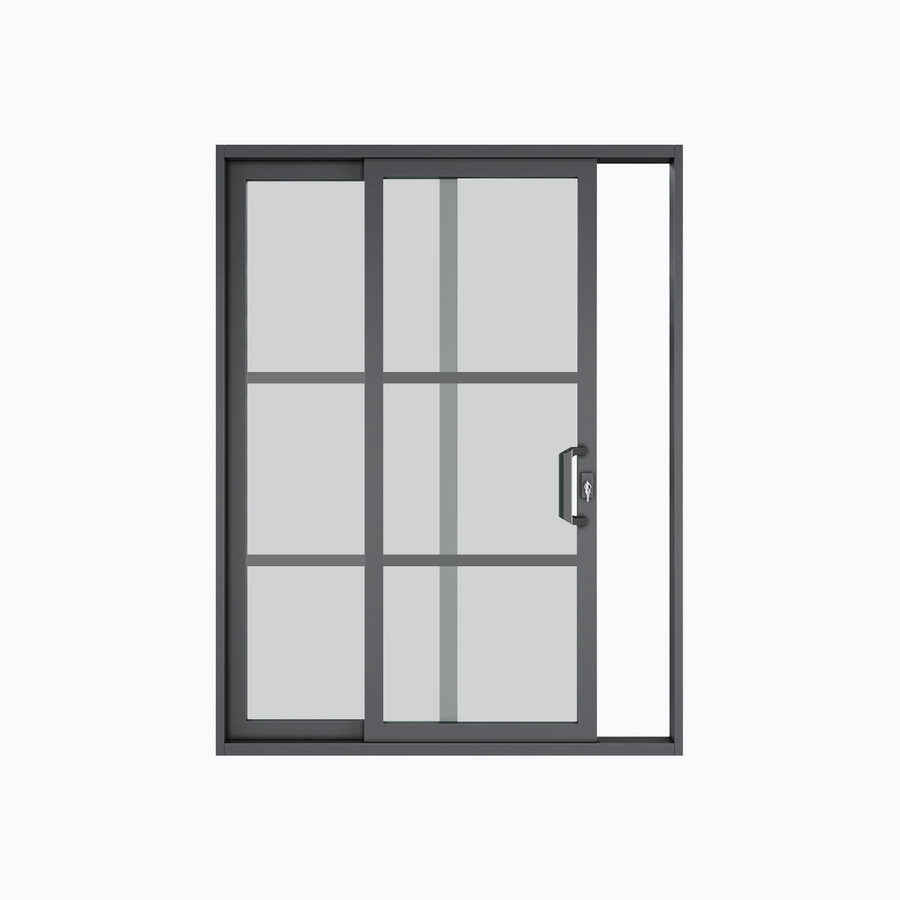
Low-E glass can be used in many door systems, including double iron entry doors, aluminum swing doors, sliding glass doors, and bi-fold doors. The frame and weatherstripping still matter, but the glass package is one of the biggest comfort decisions.
Where Low-E Helps Most in Dallas Homes
West-Facing Patio and Back Doors
West-facing glass gets hit hard in the late afternoon, when outdoor temperatures are often at their highest. If your kitchen, living room, or game room has a large patio door facing west, Low-E insulated glass should be high on the list. It can make the area near the door more usable and reduce the hot-wall feeling that happens with basic clear glass.
South-Facing Entry Doors
South-facing entrances receive strong sun across much of the year. For custom iron doors with large glass panels, insulated Low-E glass helps balance beauty and performance. You still get the bright entry, but with better control over radiant heat and glare.
Large Openings and Glass Walls
Bi-fold and multi-slide systems create dramatic indoor-outdoor living, but their size makes glass performance more important. A small upgrade can matter more when the opening is eight, twelve, or sixteen feet wide. For Dallas homeowners planning a patio enclosure or wide back wall, the glass choice should be made early, not after the frame is selected.

Low-E vs. Clear Tempered Glass
Clear tempered glass is strong and often cost-effective. It may be enough for shaded areas, north-facing openings, interior partitions, or decorative doors that do not receive much direct sun. Low-E insulated glass adds cost, but it can improve daily comfort in rooms that heat up quickly.
The decision is not only about the monthly energy bill. Homeowners also value comfort while sitting near the door, less fading on flooring and furniture, and fewer temperature swings between rooms. In a high-use living area, those benefits can be more noticeable than the utility savings alone.
What About Iron Doors?
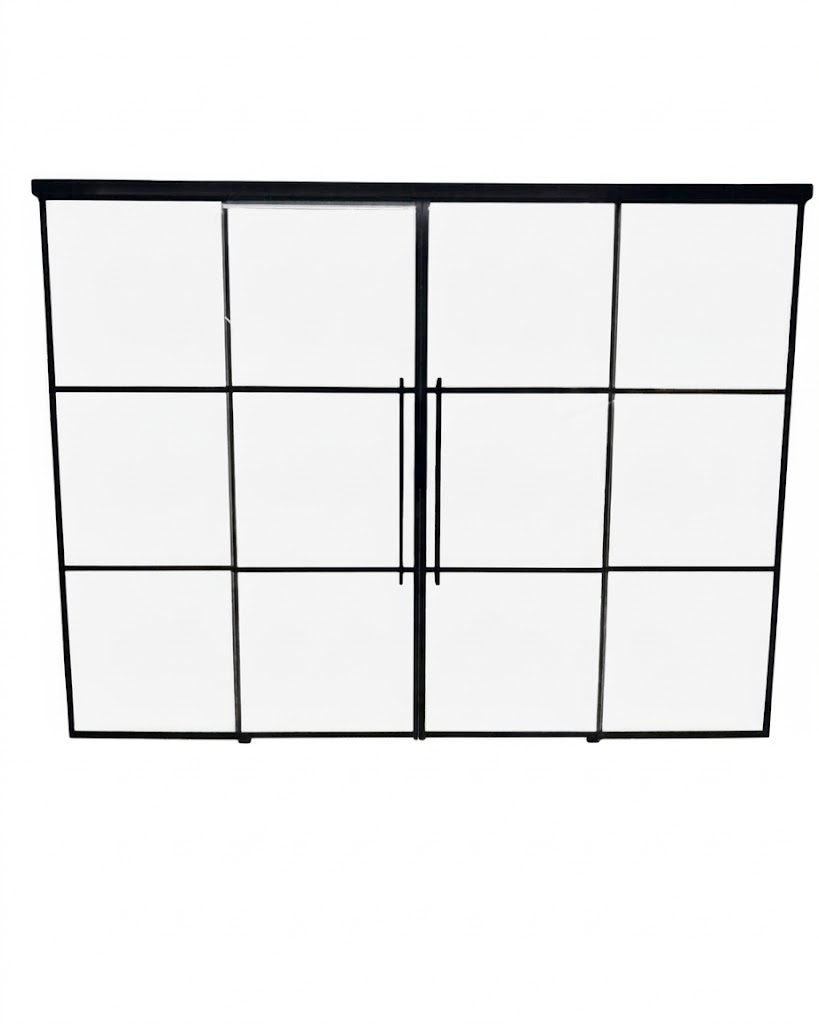
Iron doors are popular in Dallas, Frisco, Plano, McKinney, Prosper, and surrounding North Texas neighborhoods because they create a strong architectural entry. If the design includes operable glass, large glass panels, or a full-light style, Low-E insulated glass is worth discussing. The best result pairs a well-built iron frame with proper seals, threshold detail, and a glass package suited for the exposure.
Questions to Ask Before Ordering
- Which direction does the door face?
- How many hours of direct sun does the opening receive?
- Is the room already hard to cool?
- Do you want clear views, privacy glass, or tinted glass?
- Will the door be used for an entry, patio, pool area, or enclosed sunroom?
These answers help narrow the best specification. A shaded north-facing door may not need the same glass as a west-facing patio wall in a room with vaulted ceilings.
FAQ
Is Low-E glass required for Dallas doors?
It is not always required, but it is strongly recommended for large exterior glass openings, west-facing doors, south-facing entries, and rooms that get hot in the afternoon.
Can Low-E glass be used in custom iron doors?
Yes. Many custom iron door designs can be built with insulated Low-E glass, depending on the frame, panel design, and glass size.
Does Low-E glass look dark?
Not necessarily. Some Low-E packages look very clear, while others include tint. The right choice depends on heat control, privacy, and the visual style of the home.
Is insulated glass better than single-pane glass?
For most exterior doors in Texas, insulated glass offers better comfort and energy performance than single-pane glass.
Get the Right Glass Package
If you are comparing glass doors for a Dallas-area home, Texas Glass Door can help match the door style, frame material, and glass package to your exposure and budget. Contact us to discuss a custom iron, aluminum, sliding, or bi-fold door for your project.
Need Help Choosing the Right Door?
Talk to Texas Glass Door for guidance on iron, glass, aluminum, and interior door options tailored to your project.