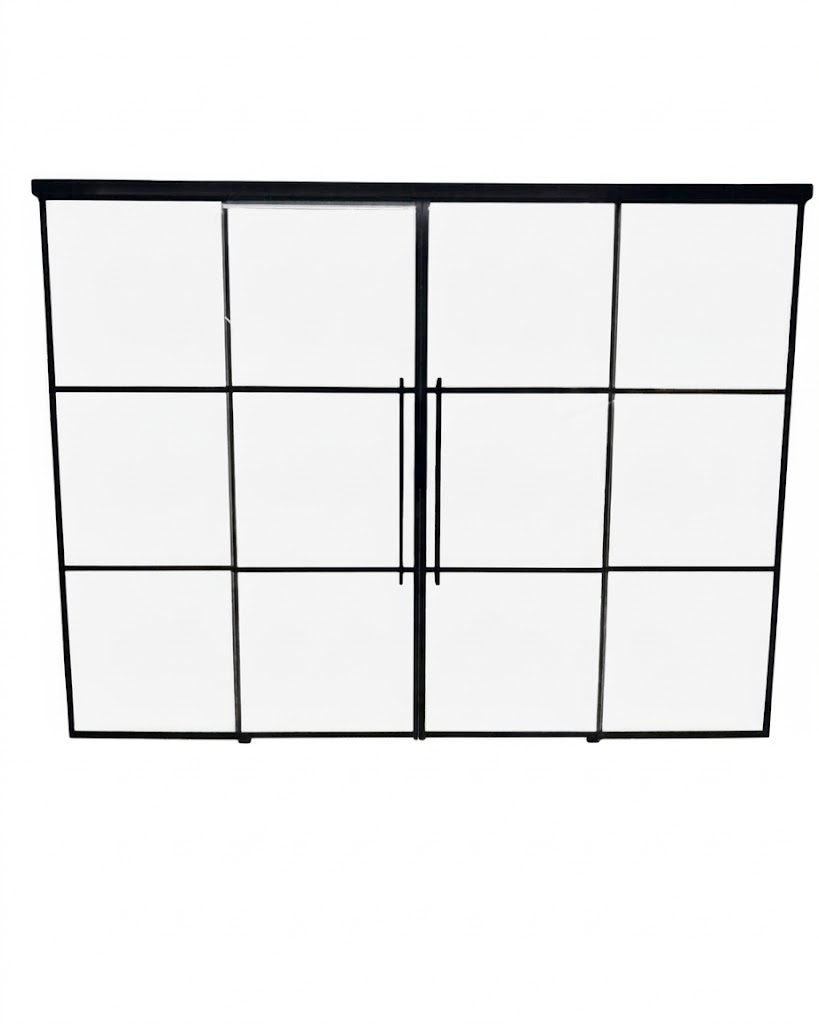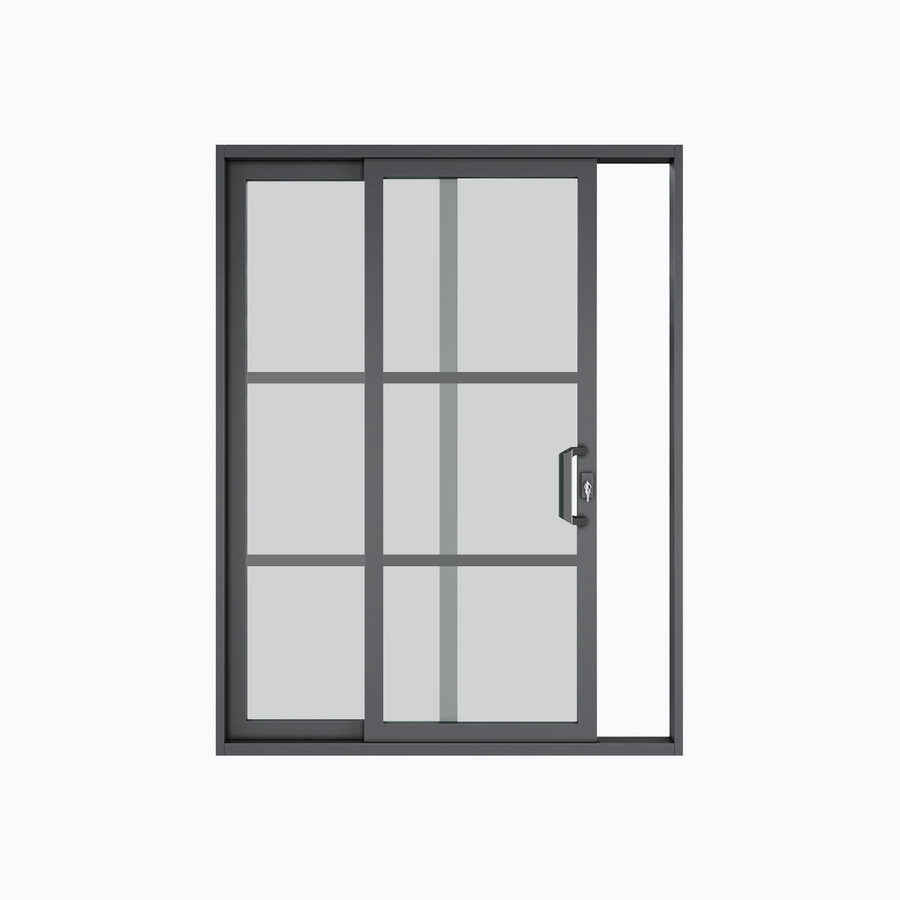

Iron doors are popular across Texas because they deliver a strong entry statement, long service life, and excellent design flexibility. But Texas heat changes the buying conversation. A front door that looks beautiful in a showroom still has to perform on a real home in Dallas, Houston, Austin, San Antonio, or the surrounding suburbs. That is why many homeowners ask about thermally broken iron doors.
A thermally broken door is built to reduce heat transfer through the metal frame. Instead of allowing exterior heat or cold to move easily from the outside face of the door to the inside face, the frame includes a separation layer that improves comfort. It does not turn an iron door into a wall, and it does not replace good glass selection, weatherstripping, or installation, but it can be a smart upgrade for the right opening.
What does thermal break mean on an iron door?
Metal is strong, but it conducts temperature. On a hot Texas afternoon, a standard metal door exposed to direct sun can become warm on the interior side. A thermal break interrupts that path. In practical terms, the goal is to reduce heat transfer, improve interior comfort near the entry, and lower the chance of condensation when indoor and outdoor conditions are very different.
For homeowners comparing standard iron entries to upgraded systems, the Thermal Break Metal Door collection is the most relevant category to review. It is especially important for large front entries, glass-heavy designs, and homes where the entry faces west or south.
When is a thermally broken iron door worth it?
The upgrade makes the most sense when the door is exposed, oversized, or part of a comfort-sensitive room. A shaded north-facing entry may not need the same performance level as a west-facing entry that gets hard afternoon sun. Likewise, a small single door under a deep porch behaves differently from a tall double door with sidelites and a transom.
Direct sun exposure
Sun exposure is the first factor. If the entry gets direct afternoon sun, thermal performance matters more. Heat can build up on dark finishes and large glass areas. A thermal break, insulated glass, and correct sealing work together to make the inside of the entry more comfortable.
Large custom openings
Texas homes often use oversized entries for curb appeal. The larger the unit, the more surface area there is for heat transfer. If you are ordering a custom iron double door, pivot entry, or door with sidelites, ask about thermal break options before the design is finalized. It is easier to specify performance at the start than to solve comfort concerns later.
Condensation concerns
Condensation happens when warm humid air meets a colder surface. In Texas, this can show up during weather swings or in tightly conditioned homes. A thermal break can reduce the temperature difference on the interior metal surface, which may reduce condensation risk. It is still important to manage indoor humidity and use the right glass package.
Thermal break vs insulated glass
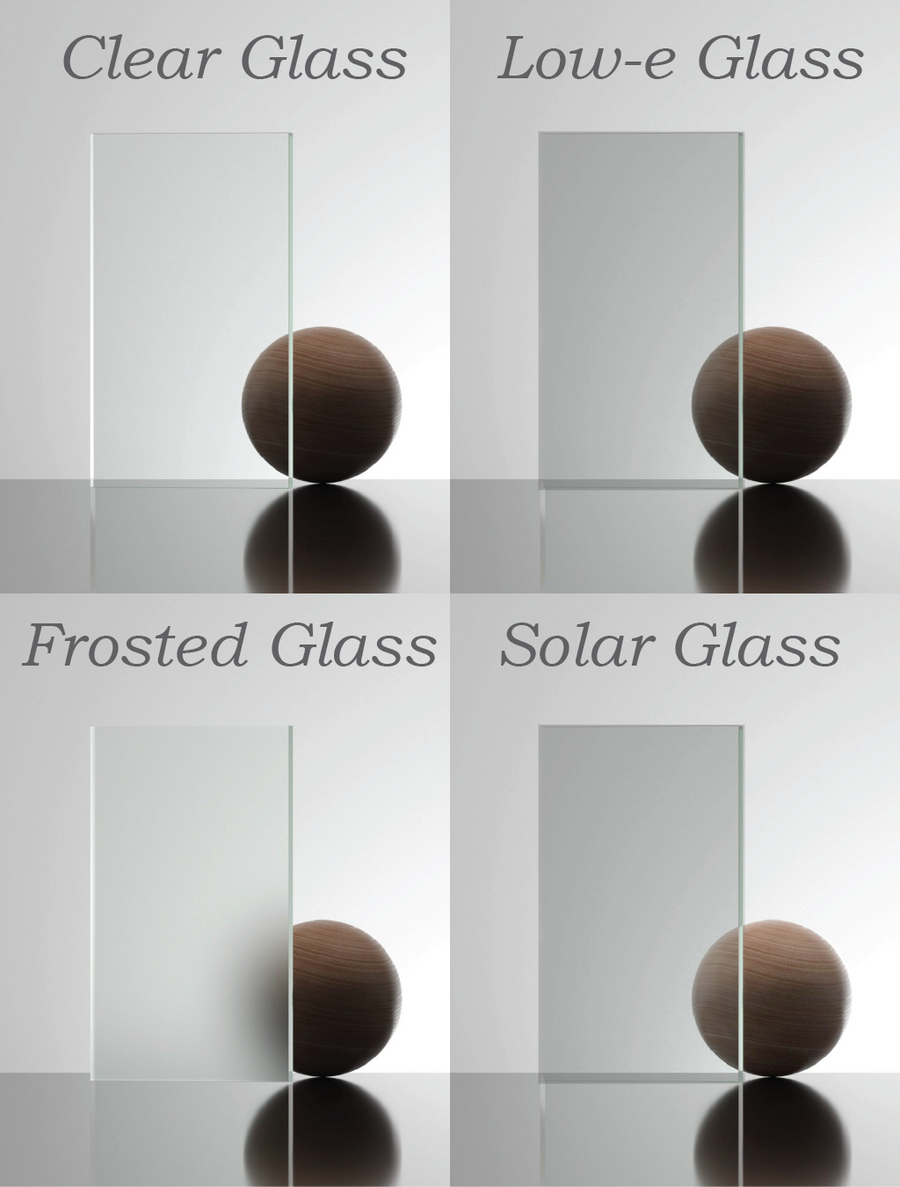
Thermal break and insulated glass solve related but different problems. The thermal break improves the frame path. Insulated glass improves the glass path. A high-performing entry should consider both. If the frame is upgraded but the glass is basic, the glass may still become the weak point. If the glass is upgraded but the frame is not, the metal may still transfer heat.
For many Texas projects, a good specification combines a thermally improved metal frame with insulated glass, Low-E coating where appropriate, quality weatherstripping, and a threshold suited to the exposure. You can compare glass-related options through the Glass options collection.
How thermal performance affects comfort and value
A front door is not usually the largest energy loss area in the home, but it is one of the most noticeable because people stand near it, touch it, and see it every day. A more comfortable entry can make the foyer feel better, reduce hot spots, and support the overall quality of a remodel. For higher-end homes, thermal performance also helps the door feel aligned with the rest of the building envelope.
Resale value depends on the full project, not one feature, but buyers often notice a custom iron entry immediately. When that entry also opens smoothly, seals well, and feels comfortable inside, it supports the impression of a thoughtful upgrade rather than a purely cosmetic change.
What to compare before ordering
Start with the exposure of the opening, then compare size, style, glass, finish, and hardware. A black or dark bronze finish may be the right design choice, but it can absorb more heat in direct sun. Decorative glass can add privacy, but it should still match the performance needs of the entry. Hardware should be durable enough for the door weight and frequent use.
Also ask how the door will be measured and installed. Even the best thermally broken door can underperform if the opening is out of square, the threshold is poorly supported, or the perimeter seal is rushed. Installation details are especially important in areas with heavy rain, humidity, and shifting seasonal conditions.
Best candidates for thermally broken iron doors
The best candidates are homeowners building or remodeling a premium entry, replacing a hot or drafty front door, adding an oversized iron unit, or installing on an exposed elevation. The upgrade is also attractive for clients who want the look of iron but do not want to ignore comfort.
If your priority is the classic iron look, compare Iron Single French Doors and Iron Double French Doors. If you want a dramatic modern opening, review Pivot Door options. For performance-first metal entries, review thermal break options before choosing the final design.
FAQ
Do thermally broken iron doors stop all heat transfer?
No. They reduce heat transfer through the frame, but glass, weatherstripping, exposure, and installation also affect performance.
Are thermally broken doors only for cold climates?
No. They can be useful in Texas because they help reduce heat moving through the metal frame during hot weather and may help with condensation during temperature swings.
Should I choose Low-E glass with a thermal break door?
Often yes, especially for sunny entries. Low-E insulated glass and a thermally improved frame address different parts of the door system.
How do I get a quote for a thermal break iron door?
Send photos, rough dimensions, city, exposure direction if known, and preferred style through the contact page. Texas Glass Door can help compare standard and thermal break options for your project.
Need Help Choosing the Right Door?
Talk to Texas Glass Door for guidance on iron, glass, aluminum, and interior door options tailored to your project.