
Austin homeowners often want a patio door that does three jobs at once: open the living room to the yard, hold up to long stretches of heat, and look clean enough for a modern remodel. That is why aluminum patio doors are such a strong fit for many Central Texas projects. A slim aluminum frame can carry large glass, resist warping, and support sliding, pivot, and bi-fold layouts without making the opening feel heavy.
The best choice is rarely just the door that looks most dramatic in a photo. In Austin, the right patio system depends on shade, ceiling height, deck clearance, furniture layout, drainage, privacy, and how often the opening will be used. A house near Lake Travis may need a different approach than a compact patio in East Austin or a covered outdoor kitchen in Cedar Park. This guide compares the main aluminum patio door styles so you can plan a smarter quote before construction starts.
Why aluminum works for Austin patio openings
Aluminum patio doors are popular because the frame stays relatively narrow while still feeling solid. That matters when the goal is more daylight and a bigger view. Compared with bulky frames, an aluminum system can make the glass area feel wider and the transition to the patio feel cleaner.
For Texas heat, the frame and glass package should be considered together. A basic frame with ordinary glass may look fine on day one but feel uncomfortable when the afternoon sun hits the opening. Many Austin projects benefit from thermally improved aluminum, insulated glass, and Low-E coatings that reduce solar heat gain while keeping the room bright. These upgrades are especially useful on west-facing patios, rooms with tall ceilings, and spaces where the HVAC already works hard in summer.
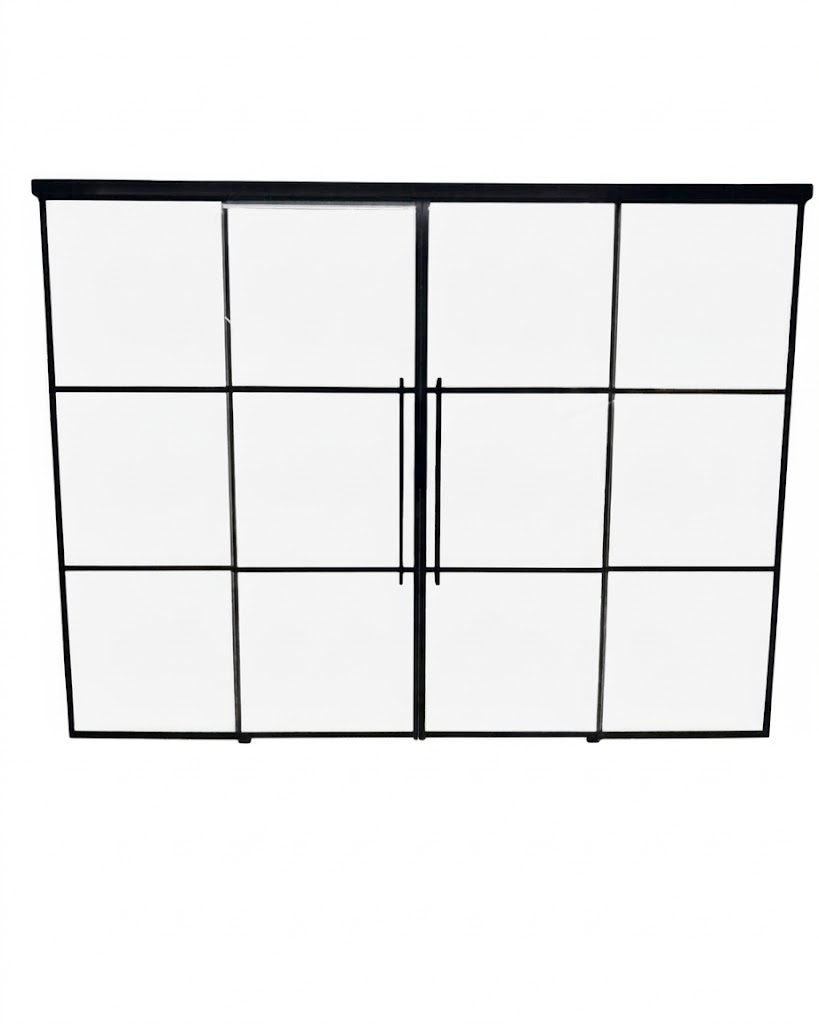
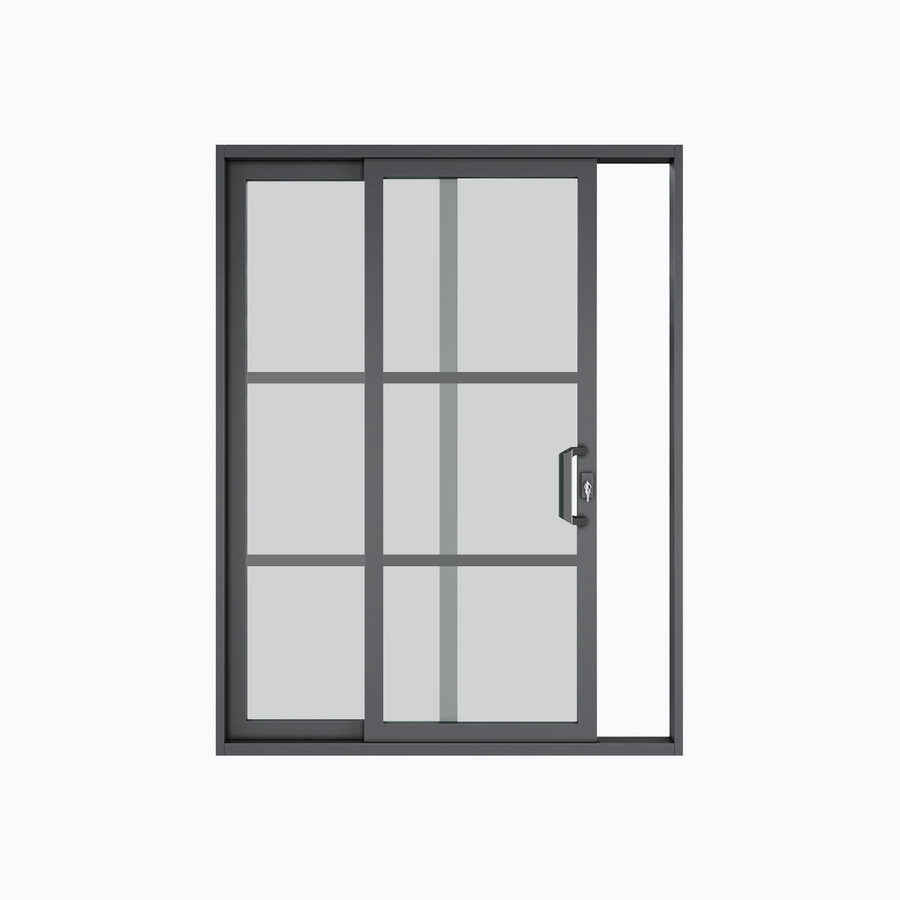
Sliding aluminum patio doors
Sliding doors are usually the most space-efficient option. Because the panels move along the track instead of swinging into the room or folding to the side, they work well for patios with furniture close to the opening. They are also practical for narrow side yards, balconies, and family rooms where traffic flow matters more than a fully open wall.
A sliding system can be configured with two, three, or four panels depending on the width. Larger openings can create a wide view even when only part of the system opens. For many Austin homes, that is the right balance: strong daily convenience, fewer moving parts than a folding wall, and a clean contemporary look.
When sliding is the better choice
Choose sliding when the patio has limited clearance, the budget needs to stay controlled, or the door will be opened many times a day. Sliding can also be a good fit where screens, security, and weather performance are high priorities. The key details to confirm are track quality, roller strength, lock hardware, threshold design, and the glass package.
Bi-fold aluminum patio doors
Bi-fold doors create the most open feeling because the panels fold and stack to one side or both sides. When opened, they can turn a living room and patio into one entertaining space. That makes them attractive for outdoor kitchens, pool areas, and large remodels where the opening itself is meant to be a feature.
The tradeoff is planning. Bi-fold panels need stacking space, and the finished floor conditions matter. If the patio slopes the wrong way, if drainage is weak, or if there is not enough room for the panel stack, the system can feel awkward. Austin projects with covered patios often perform best because the opening gets more protection from direct rain and harsh sun.
When bi-fold is the better choice
Choose bi-fold when the goal is a wide entertainment opening and the project can support proper structural, threshold, and drainage planning. It is especially useful when the view is worth opening fully, not just looking through. For tighter patios, a wide slider may deliver better daily function.
Pivot aluminum patio doors
A pivot door can make a patio entrance feel architectural. Instead of swinging on side hinges, the panel rotates on pivot hardware, allowing a larger and more balanced door leaf. Pivot systems are often used for statement entries, but they can also work for covered patios, courtyards, and modern backyard transitions.
The main question is swing clearance. A pivot door needs space on both sides of the pivot point, so furniture, rugs, and exterior landings must be planned carefully. It is not usually the best solution for a narrow patio path, but it can be excellent when the opening is tall, protected, and meant to feel custom.
Glass choices for Austin heat
Do not choose the door style without choosing the glass. Low-E insulated glass can reduce heat transfer and help limit glare while preserving natural light. Laminated glass may be useful for safety, sound control, and storm-conscious projects. Tempered glass is commonly required for doors and large panels, but the full specification should match the opening size and local code needs.
For west-facing or unshaded openings, ask about solar-control Low-E glass. For shaded patios where the main concern is comfort and condensation, an insulated unit may be enough. The right answer depends on orientation, roof overhang, landscaping, and interior flooring that may be sensitive to sun exposure.
Cost factors to expect
Austin aluminum patio door pricing varies by size, panel count, glass type, frame performance, hardware, finish, site access, and installation complexity. A two-panel slider is usually simpler than a multi-panel bi-fold system. A pivot door may require more custom planning, especially if the opening is oversized or the threshold needs to align with new flooring.
To get a useful quote, measure the rough opening, take photos from inside and outside, note whether the patio is covered, and describe any drainage concerns. If a wall must be modified, the quote should account for structure, trim, waterproofing, and finish work rather than only the door unit.
Internal links for planning
For product direction, review the aluminum door collection, compare opening styles in the sliding door collection, and look at wider folding options in the bi-fold door collection. If the project includes a full outdoor enclosure, the patio enclosure collection can help frame the conversation.
FAQ
Are aluminum patio doors good for Austin heat?
Yes, if the frame and glass are specified correctly. Thermally improved aluminum, insulated glass, and Low-E coatings can make a major difference in comfort compared with a basic glass package.
Is a bi-fold door better than a sliding door?
Bi-fold is better when you want the opening to feel almost completely open. Sliding is better when you want simple daily use, strong space efficiency, and fewer clearance concerns.
Can I use a pivot door for a patio?
Yes, especially in covered or architectural openings. The project needs enough swing clearance and a threshold plan that works with the patio surface.
What should I send for a quote?
Send rough dimensions, photos of the opening, the city, preferred style, glass goals, and any issues with heat, leaks, sticking tracks, or drainage.
Ready to compare patio door options?
Texas Glass Door can help Austin-area homeowners compare sliding, pivot, and bi-fold aluminum patio doors with the right glass package for Texas heat. Share your opening photos and goals through the contact page to start a custom quote.
Need Help Choosing the Right Door?
Talk to Texas Glass Door for guidance on iron, glass, aluminum, and interior door options tailored to your project.