
Houston patio door problems often start with the same complaints: the room gets hot, the glass fogs, the track sticks, rain pushes toward the threshold, or the old door no longer seals well. When that happens, homeowners usually compare sliding doors, bi-fold doors, and larger patio enclosure systems. The right answer depends on the opening, drainage, glass package, and how the patio is used.

This guide explains when to repair, replace, or upgrade a patio opening with sliding doors, bi-fold doors, Low-E insulated glass, and better threshold planning.
Common Houston Patio Door Problems
Heat and humidity make patio openings work harder in Houston. Large glass areas can raise room temperature, older seals can fail, and poorly prepared thresholds can let wind-driven rain become a recurring issue. Sticking tracks are also common when dirt, debris, worn rollers, or a shifting opening put pressure on the door panels.
Before choosing a new door, identify the real problem. A bad roller is different from a failing frame. Fogged insulated glass is different from normal condensation. A leak at the threshold may require drainage and installation work, not just a new panel.
When Sliding Doors Make Sense
Sliding patio doors are practical when space is limited because the panels move inside the track instead of swinging into the room or patio. They are a strong fit for kitchens, breakfast rooms, bedrooms, rental properties, and backyard entries where a wide view matters but a full wall opening is not required. Sliding systems can also be easier to screen than some wide-opening door systems.
For Houston projects, ask about track quality, roller durability, drainage, screen options, and glass performance. A low-cost replacement that ignores the threshold can leave the same water and comfort problems behind.
When Bi-Fold Doors Are Worth Comparing
Bi-fold doors are for homeowners who want the room and patio to connect more dramatically. Multiple panels fold to one side, creating a wider opening than a typical sliding door. This works well for covered patios, pool areas, outdoor kitchens, and entertainment spaces where the door will be opened fully during gatherings.
The tradeoff is complexity. Bi-fold systems need careful measurement, strong hardware, good drainage, and enough stacked-panel space. In Houston, they also need a serious conversation about weather exposure. A covered patio may be a better candidate than an exposed wall that catches heavy rain.
Low-E and Insulated Glass for Hot Rooms
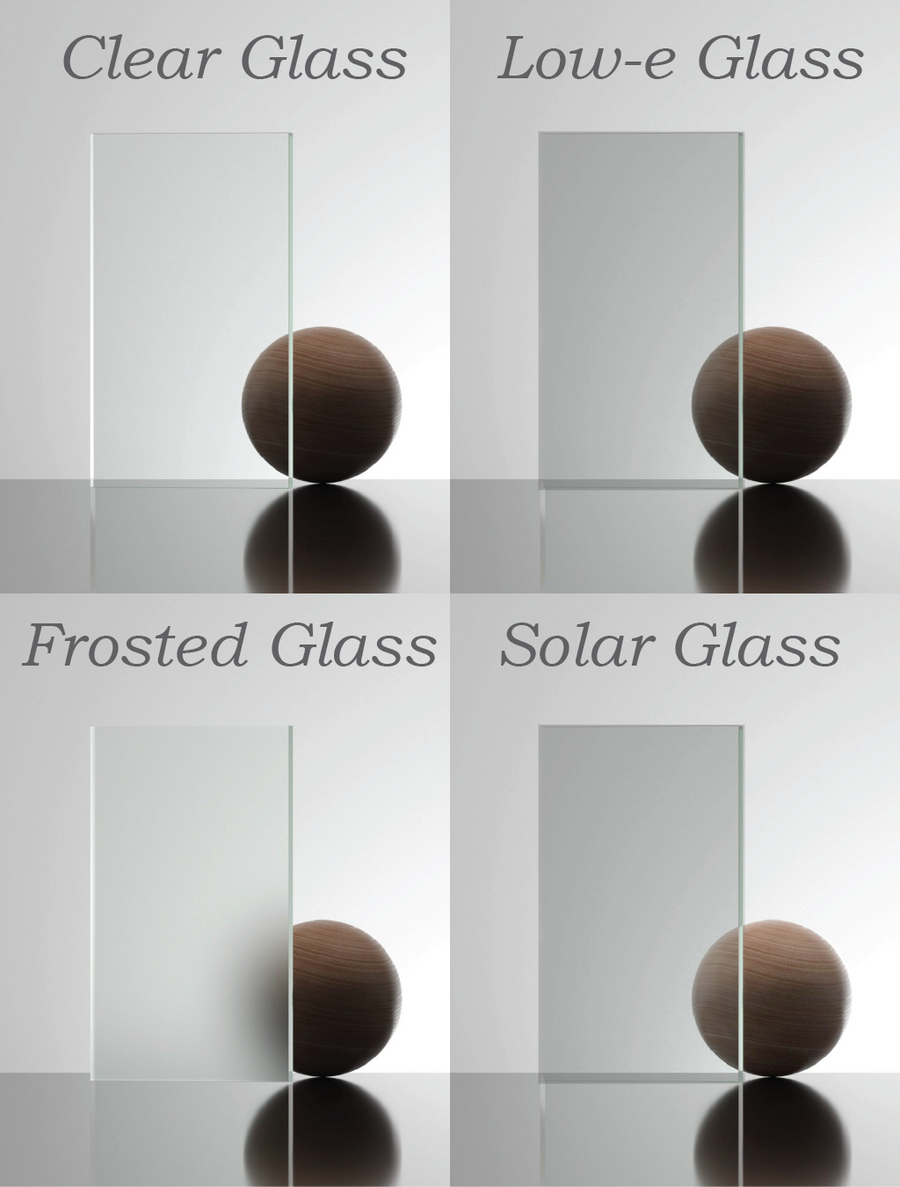
If the room gets hot near the patio door, glass selection should be part of the quote. Low-E coatings help reduce radiant heat transfer while keeping natural light. Insulated glass units use two panes with a sealed space between them to improve thermal performance. Together, Low-E insulated glass can make a large glass opening more comfortable in Houston sun.
Low-E glass is especially worth comparing for south- and west-facing doors, wide sliding systems, bi-fold openings, and patio enclosures. It will not fix poor installation, but it can help reduce heat gain, glare, and UV fading when paired with a suitable frame and threshold.
Drainage and Threshold Details
Patio door replacement should include a close look at water management. Houston storms can expose weak thresholds quickly. The installer should review the slab, sill pan conditions, exterior slope, caulk lines, weep paths, and any old water damage. A new door installed into a bad drainage condition can still leak.
Send photos of the inside floor, exterior patio, bottom track, and corners of the existing frame. If water has entered before, mention when it happens: heavy rain, wind-driven rain, after pressure washing, or during normal use. That context helps separate a door problem from a patio slope or flashing problem.
Repair or Replace?
Repair may make sense when the frame is square, the glass is clear, the track is sound, and the issue is limited to rollers, locks, weatherstripping, or adjustment. Replacement is usually smarter when the glass is fogged, the frame is bent or corroded, the track is damaged, water intrusion is recurring, or the door no longer matches the comfort needs of the home.
If you are already opening walls, remodeling a patio, or replacing flooring, it can be a good time to upgrade the full opening. That is when larger systems such as patio enclosures or multi-panel doors become easier to plan.
Cost Factors to Compare
Cost depends on more than the door style. Size, panel count, glass type, frame system, screen package, hardware, removal, disposal, threshold prep, and job access all matter. Bi-fold systems usually cost more than simple sliding replacements because they use more panels and hardware. Sliding doors can still become premium projects when the opening is oversized or the glass package is upgraded.
To compare quotes fairly, make sure each option includes the same glass assumptions, installation scope, trim work, screen details, and water-management plan. A quote that excludes threshold work may look cheaper until the same problem returns.
FAQ
Should I choose sliding or bi-fold patio doors in Houston?
Choose sliding doors for practical daily use and tight spaces. Compare bi-fold doors when you want a wider entertaining opening and the patio is protected enough for the system.
Can Low-E glass help with a hot patio door?
Yes. Low-E insulated glass can reduce heat gain and glare, especially on large or sunny patio openings.
What causes foggy patio door glass?
Fogging inside insulated glass usually means the sealed glass unit has failed. That is different from surface condensation.
What photos help with a quote?
Send the full door from inside and outside, close-ups of the track and threshold, the top corners, and any water damage or uneven floor areas.
Get a Houston Patio Door Quote
Texas Glass Door can help compare sliding doors, bi-fold doors, Low-E insulated glass, and threshold options for Houston patio openings. Share photos, rough measurements, and problem notes through the contact page.
Need Help Choosing the Right Door?
Talk to Texas Glass Door for guidance on iron, glass, aluminum, and interior door options tailored to your project.