
In many Texas homes, the patio door is the first place comfort problems become obvious. The room may feel hot in the afternoon, the track may sweat during humid weather, or the glass may look cloudy even after cleaning. Homeowners often assume they need a completely different door style, but the right fix usually starts with understanding whether the issue is heat gain, air leakage, a failed insulated glass seal, poor drainage, or a worn-out frame.
This problem-solution guide focuses on insulated glass patio doors in Texas. It is not limited to one city because the same symptoms show up across Dallas, Houston, Austin, Fort Worth, and San Antonio, even though the causes vary by exposure and climate. Before replacing a sliding, bi-fold, pivot, iron, or aluminum glass door, use the symptoms below to narrow the scope of the project and get a clearer quote.
Problem: the room gets too hot near the glass
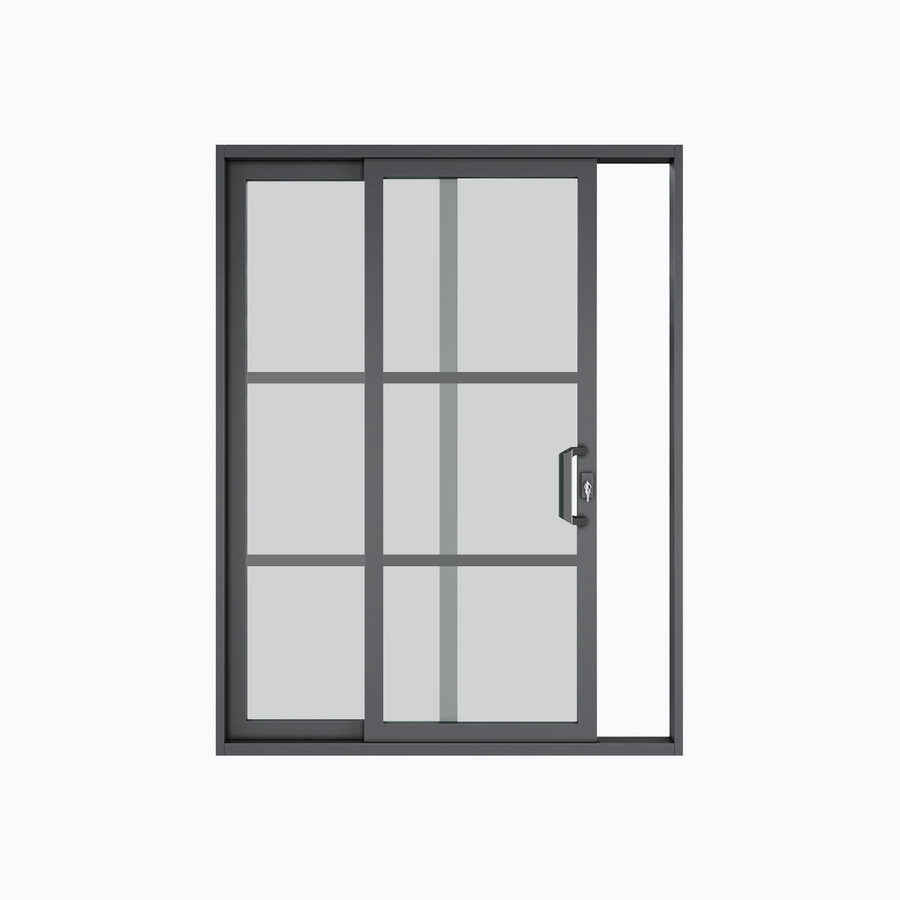
Heat near a patio door is common when the opening faces west or south, has limited shade, or uses older single-pane or clear double-pane glass. The bigger the glass area, the more noticeable the heat can feel. Large aluminum sliding doors and bi-fold walls are beautiful, but they need a glass package that matches Texas sun.
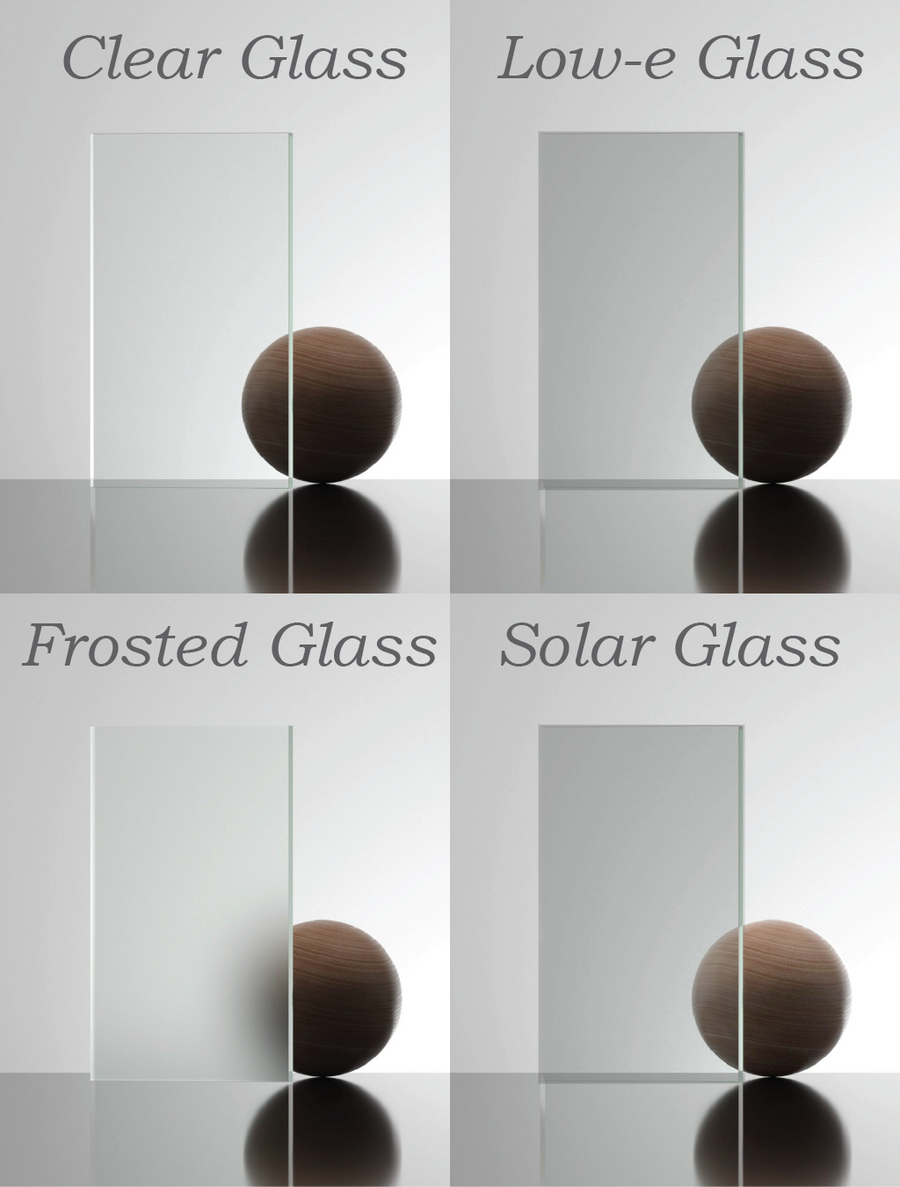
The solution is usually Low-E insulated glass, better shading, or both. Low-E coatings help reduce radiant heat while keeping daylight. Insulated glass adds a sealed air space that improves the thermal break between outdoors and indoors. If the frame is old or conducts too much heat, a replacement system with thermally improved aluminum or a properly specified iron door may make more sense than changing glass alone.
Problem: fog appears between the panes
Fog between panes is different from ordinary surface moisture. If wiping the inside and outside does not clear the haze, the insulated glass seal has likely failed. Once moisture gets inside the sealed unit, the door can look dirty no matter how often it is cleaned. The glass may also lose some of the insulating value it was supposed to provide.
The practical fix is replacing the insulated glass unit or replacing the door if the surrounding system is also failing. If the frame is solid, the hardware works, and the opening does not leak, a glass-only solution may be enough. If the track is corroded, the panels stick, the threshold leaks, or the frame is out of square, a complete patio door replacement is usually the better investment.
Problem: condensation forms on the room side
Interior condensation often means humid indoor air is contacting a cooler glass surface. This can happen during colder weather, after showers or cooking, near heavy curtains, or in rooms with poor airflow. Houston homeowners may see moisture more often because humidity is higher, but it can happen anywhere in Texas when indoor humidity and surface temperature line up.
Better insulated glass can help by keeping the interior pane warmer, but it is not the only factor. Ventilation, indoor humidity, window coverings, and airflow all matter. If condensation appears only during unusual weather, it may be a humidity issue. If it happens constantly and the door also feels drafty, the door system should be inspected.
Problem: water appears at the threshold
Water at a patio door can come from wind-driven rain, an overwhelmed track, poor exterior slope, blocked weep holes, failed sealant, or installation problems. The door itself may not be the only cause. In Texas storms, even a good door can struggle if the patio drains toward the house or if the threshold sits too low.
The solution starts with water management. Check whether the exterior surface slopes away from the opening, whether drains are clear, and whether the track has debris. For replacement projects, ask about threshold height, flashing, sill pan planning, and how the new door will handle wind-driven rain. This is especially important for wide sliding and bi-fold systems.
Problem: glare makes the room uncomfortable
Glare can make a home office, breakfast room, or living room hard to use even when the temperature feels acceptable. It is common on large patio doors with direct sun exposure. Curtains can solve glare but may defeat the purpose of installing a large glass door in the first place.
A better solution may be a solar-control Low-E glass option, exterior shade, or a door layout that reduces direct exposure. The goal is to keep the view and daylight while reducing the harshness of the sun. For rooms with screens, televisions, or dark floors, talk about glare during the quote instead of waiting until after installation.
Problem: the door sticks or feels hard to operate
Sticking is not usually a glass problem. It may come from worn rollers, a dirty track, frame movement, hardware wear, or a door that is too heavy for the existing system. However, if you are upgrading to heavier insulated or laminated glass, the hardware and track must be able to support it.
For old sliding doors, replacing rollers may provide a short-term improvement. For larger patio openings, a new system can offer smoother operation, better locks, and a glass package built for the panel weight. Bi-fold and pivot systems also need precise installation because small alignment issues can affect daily use.
Cost factors for insulated glass patio door fixes
Costs depend on whether the project is glass replacement, hardware repair, or full door replacement. Glass-only work is usually less expensive, but it does not solve a bad frame, poor drainage, or failing hardware. A full replacement costs more because it includes the door system, glass package, installation labor, trim, waterproofing, and site conditions.
Panel count also matters. A two-panel slider is simpler than a large multi-panel bi-fold wall. A pivot door may need custom hardware and more clearance planning. Upgraded glass, laminated safety glass, custom colors, and large sizes can all change the final quote.
Internal links for replacement planning
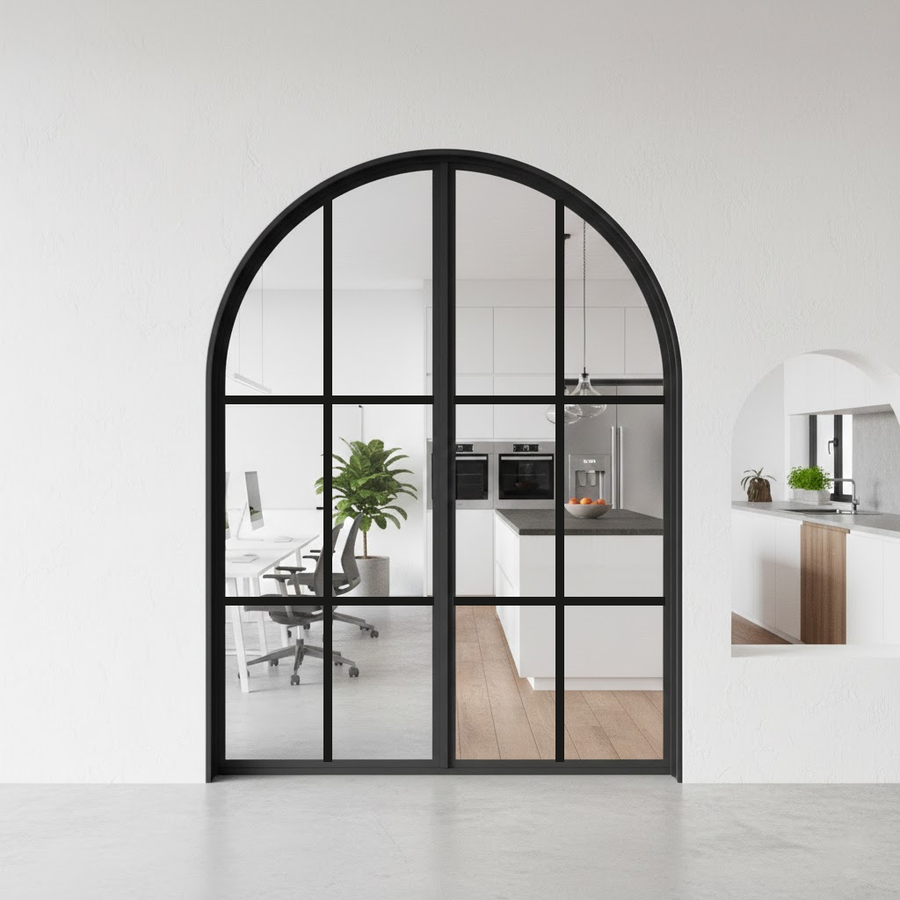
For frame and style options, compare aluminum doors and iron doors. For backyard openings, review sliding patio doors, bi-fold doors, and patio enclosures. These pages help identify whether your issue points toward glass replacement, door replacement, or a larger patio opening plan.
FAQ
Can insulated glass stop all heat from a patio door?
No glass stops all heat, but Low-E insulated glass can reduce heat gain significantly compared with older or basic glass. Shade and orientation still matter.
Is foggy patio door glass repairable?
If fog is between panes, the sealed glass unit has usually failed. The practical fix is replacing the insulated unit or replacing the door system if other components are worn.
Should I replace the glass or the whole door?
Replace the glass when the frame, track, locks, and threshold are in good condition. Consider a full door replacement when there are leaks, sticking panels, poor drainage, frame damage, or outdated performance.
What information helps with a quote?
Send photos from inside and outside, rough dimensions, the city, the door type, and a short description of the symptom: heat, fog, condensation, leak, glare, or sticking.
Need a diagnosis before replacing the door?
Texas Glass Door can help identify whether your patio door problem is glass, frame, hardware, or installation related. Share your photos and symptoms through the contact page to start a practical replacement plan.
Need Help Choosing the Right Door?
Talk to Texas Glass Door for guidance on iron, glass, aluminum, and interior door options tailored to your project.