
Austin commercial doors work hard. A storefront entry may open hundreds of times a day, deal with strong afternoon sun, and still need to look clean for customers walking in from South Congress, The Domain, Mueller, Round Rock, or Lakeway. When a glass door starts dragging, leaking, slamming, or failing to lock cleanly, the issue is often bigger than one piece of hardware.

This guide explains Austin commercial aluminum glass door replacement, including storefront frames, ADA hardware, Low-E insulated glass, closer issues, and cost factors for retail, office, restaurant, and service businesses.
When a Commercial Glass Door Should Be Replaced
Some storefront problems can be repaired with new pivots, rollers, weatherstripping, lock parts, or closer adjustment. Replacement becomes a better option when the frame is bent, the door no longer sits square, glass seals have failed, the threshold is damaged, or repeated repairs no longer hold. A poorly closing entrance can affect security, energy use, and the first impression customers get before they speak to anyone inside.
Austin buildings also see plenty of heat exposure. Dark frames, west-facing glass, and shallow overhangs can make a weak entry system uncomfortable for staff near the front counter. If the door is part of a larger storefront wall, the surrounding frame should be reviewed at the same time.
What Affects Storefront Door Replacement Cost?
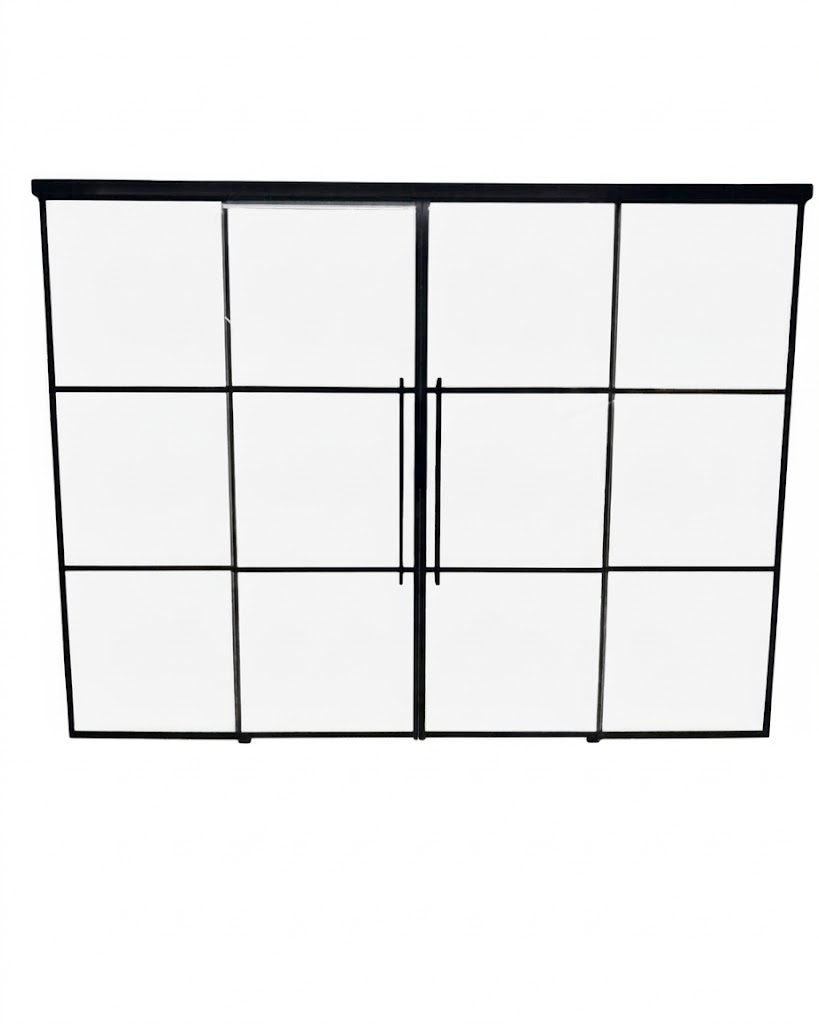
Commercial glass door cost depends on door size, frame condition, glass type, hardware, code requirements, and whether the project includes only the operable door or the surrounding storefront system. A standard single aluminum entrance is usually simpler than a double door, vestibule, or full-height glass wall with sidelites.
- Door configuration: Single doors, double doors, sidelites, and transoms all change material and labor.
- Hardware: Closers, panic hardware, pivots, push-pulls, thresholds, and locks must match traffic and code needs.
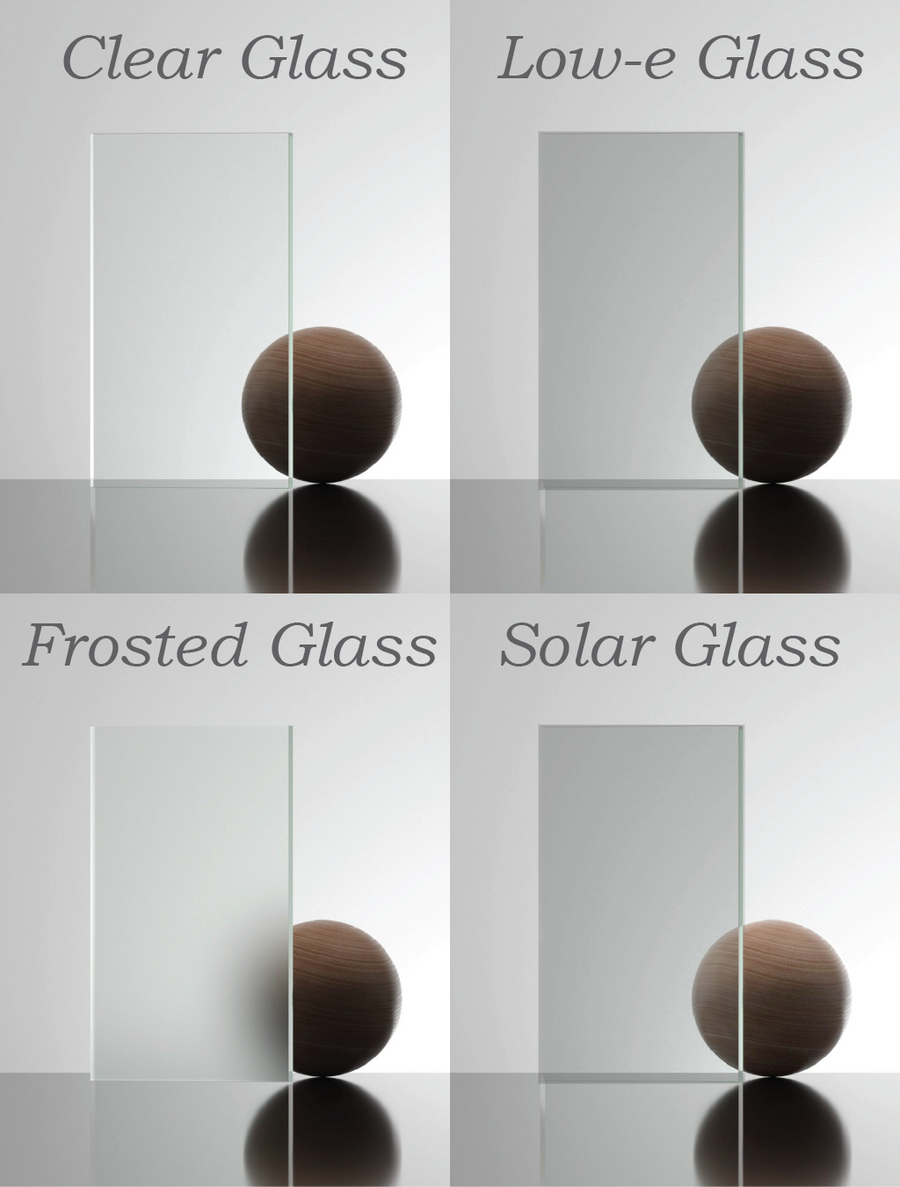
- Glass package: Tempered, laminated, insulated, or Low-E glass changes comfort, safety, and cost.
- Frame condition: Damaged jambs, corroded thresholds, and out-of-square openings add preparation time.
- Business access: After-hours installation or phased work may be needed to reduce downtime.
Aluminum Frames for Austin Storefronts
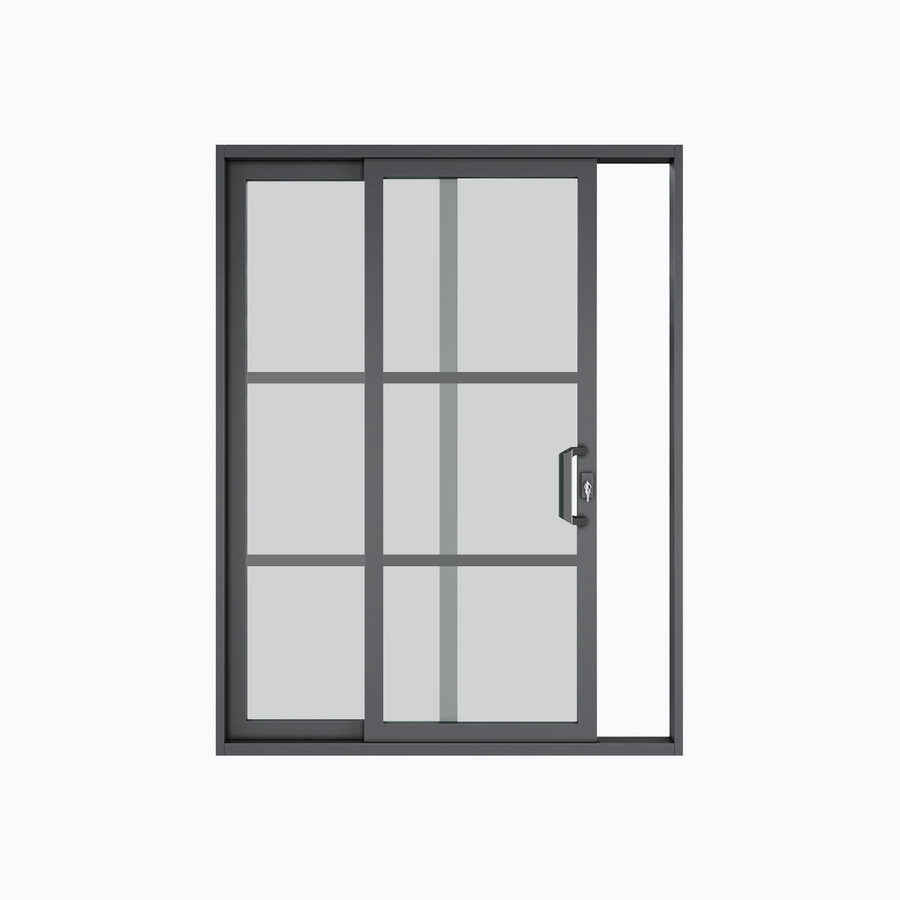
Aluminum is common for commercial entries because it is durable, clean, and compatible with large glass areas. It works for retail stores, clinics, offices, restaurants, salons, gyms, and showrooms. The finish can be black, clear anodized, bronze, or another specification that matches the building.
For modern tenant improvements, aluminum storefront doors can pair with fixed glass panels, interior partitions, and office fronts. If the project involves conference rooms or interior office divisions, review commercial glass door options together so the entry and interior glass do not look mismatched.
ADA Hardware and Daily Use
Commercial doors must be easy and predictable for customers to use. Hardware should be selected for accessibility, traffic level, fire and egress requirements, and the way employees secure the space at closing time. Pull handles, panic bars, closers, thresholds, and locksets all need to work as a system.

If a door slams, takes too much force to open, drags at the threshold, or will not latch without lifting the handle, it can create customer friction and liability concerns. A replacement quote should identify whether the problem is the door leaf, the frame, the closer, the pivot hardware, or the opening itself.
Low-E Insulated Glass for Commercial Comfort
Many storefront doors use tempered glass, but businesses with sunny exposures should ask whether insulated or Low-E glass makes sense. Low-E insulated glass can reduce heat transfer near the entrance, especially for west-facing retail fronts, waiting areas, and offices where staff sit close to the glass.
For exterior metal systems in strong sun, comfort also depends on frame design and sealing. Residential-style thermal break metal door construction is not the answer for every storefront, but the same principle applies: glass, frame, and installation details all affect heat transfer.
Repair vs Replacement
Repair is usually the right first step when the door is structurally sound and the issue is limited to a worn closer, broken lock, loose handle, or tired weatherstripping. Replacement is the better choice when the system is out of square, the door repeatedly fails, the glass is fogged or damaged, or the business wants a cleaner branded entrance as part of a remodel.
For leased spaces, coordinate with the property manager before ordering. Building standards may specify frame color, hardware type, glass, or lock compatibility. That coordination prevents delays and avoids installing a door that does not match the center's requirements.
Planning Around Business Hours
Commercial replacement should minimize downtime. Measurements, hardware selection, and glass ordering happen before installation day. For active businesses, work may need to happen early, late, or in phases so customers can still enter safely. Restaurants and retail stores should also plan around deliveries, inspections, and peak traffic windows.
Photos help speed up the first conversation. Take pictures of the door from inside and outside, close-ups of the hardware, the threshold, and any label or manufacturer mark. Also note whether the door is used as an emergency exit or primary customer entry.
FAQ
Can a commercial glass door be repaired instead of replaced?
Yes, if the frame is square and the problem is limited to hardware, locks, closers, or weatherstripping.
Do storefront doors need special hardware?
Often yes. Hardware should match accessibility, egress, security, and traffic requirements for the business.
Is Low-E glass useful for Austin storefront doors?
It can be useful for sunny entrances, waiting areas, and retail spaces where heat near the glass affects comfort.
Do you serve Austin-area businesses?
Yes. Texas Glass Door works with commercial projects in Austin, Round Rock, Cedar Park, Lakeway, Bee Cave, and nearby areas.
Get an Austin Commercial Door Quote
Need to replace a dragging storefront entry or plan a cleaner glass entrance? Contact Texas Glass Door to review photos, measurements, hardware, and commercial aluminum glass door options.
Need Help Choosing the Right Door?
Talk to Texas Glass Door for guidance on iron, glass, aluminum, and interior door options tailored to your project.