A commercial glass door is one of the hardest-working parts of a Dallas storefront. It handles customers, deliveries, weather, locking hardware, closers, panic devices, and daily security. When it starts dragging, leaking air, failing to latch, or showing cracked glass, the owner has to decide whether repair is enough or whether replacement is the smarter long-term move.

This guide is for Dallas retail shops, offices, studios, restaurants, and service businesses comparing commercial glass doors in Dallas. It covers cost drivers, frame options, glass choices, hardware, code considerations, and when to request a full replacement quote from Texas Glass Door.
Repair or Replace: How to Make the Call
Small issues can often be repaired. A closer may need adjustment, a sweep may need replacement, or a lock may need service. Replacement starts to make more sense when the frame is bent, the threshold is damaged, the door no longer sits square, or repeated repairs have not solved the same problem.
Dallas heat and heavy use can expose weak points quickly. If the door rubs at the top, leaves a gap at the bottom, or slams even after closer adjustment, the opening may be out of alignment. A replacement can reset the system with the right frame, glass, and hardware for current traffic.
What Affects Commercial Glass Door Cost?
Commercial door cost depends on more than the slab. The final price is shaped by door size, single versus double configuration, frame type, glass specification, hardware package, field conditions, and whether surrounding storefront panels also need work.
Single door vs double door
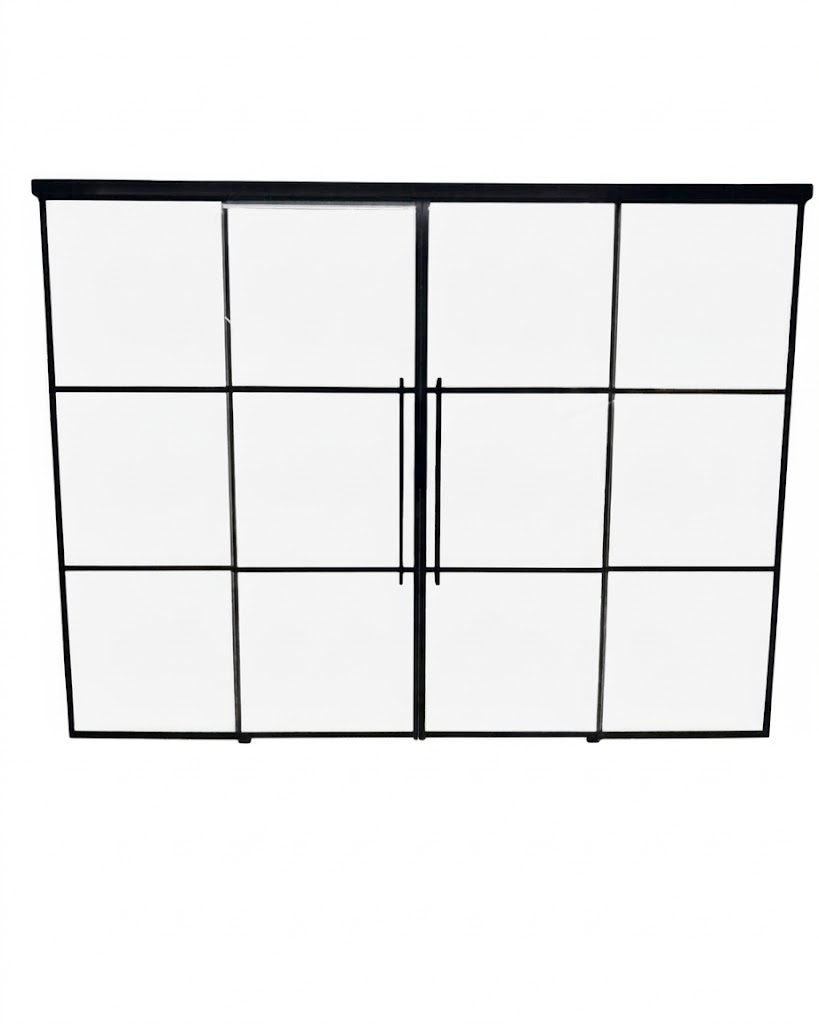
A single entrance door is usually the simplest replacement. A double door adds more alignment work and may need coordinated locks, astragals, flush bolts, or panic hardware. For busy retail entrances, the extra opening width can be worth it, but the hardware plan should be clear before ordering.
Frame and storefront condition
If the existing aluminum frame is straight and compatible, a door leaf replacement may work. If the frame is twisted, corroded, poorly anchored, or no longer fits the glass line, replacing the frame protects the new door from inheriting old problems.
Glass type
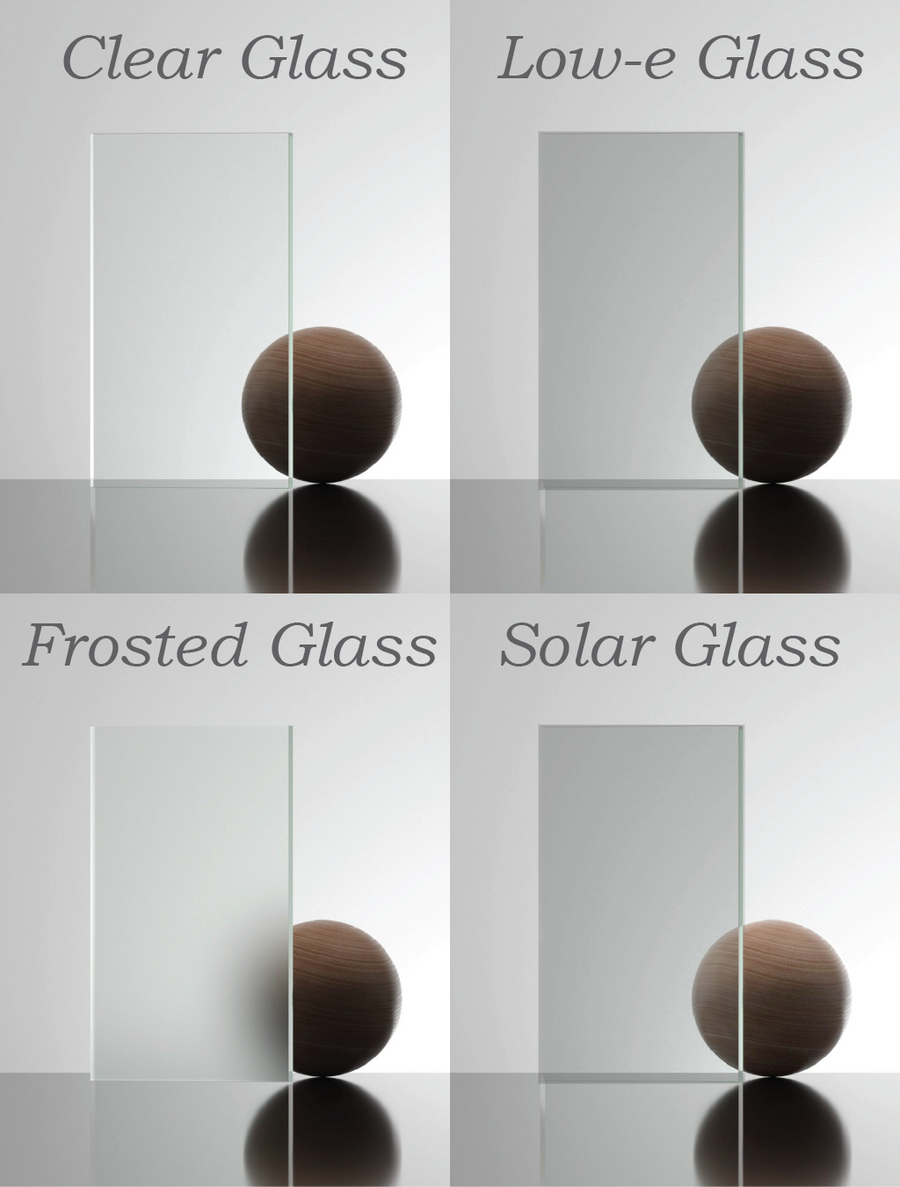
Tempered safety glass is common for commercial entries. Laminated glass may be recommended where security, impact resistance, or break-in delay matters. Low-E insulated glass can help with comfort when a storefront faces strong sun or the entry opens directly into conditioned space.
Hardware That Matters Every Day
Hardware is where many commercial doors succeed or fail. A durable closer controls the swing so the door does not slam into the frame. Pull handles should match traffic and ADA expectations. Locking hardware should be easy for staff to use while still supporting after-hours security.
For some occupancies, panic hardware or code-compliant exit devices may be required. Restaurants, medical offices, schools, and high-traffic retail spaces should be especially careful here. Texas Glass Door can review the intended use and help you choose a commercial entry setup that fits the space.
Best Door Styles for Dallas Storefronts
Many businesses choose a clean aluminum-framed glass door because it looks professional, lets customers see inside, and pairs well with existing storefront systems. Frameless options create a more minimal look for offices, showrooms, and interior commercial suites.
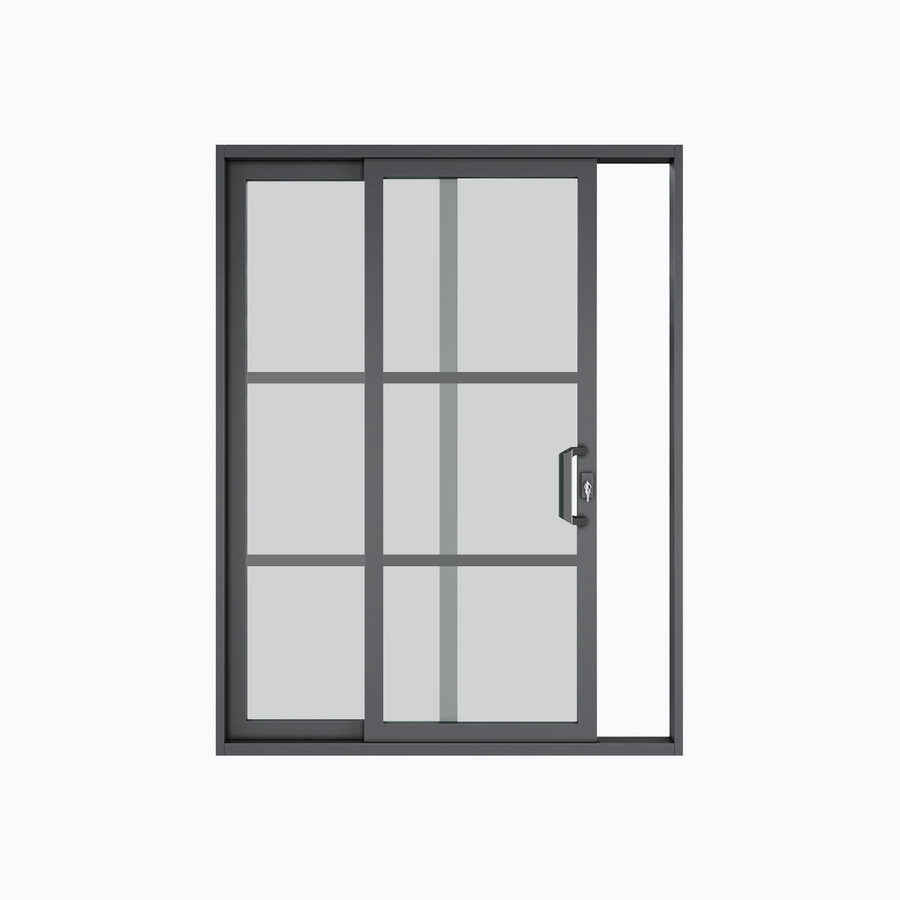
Explore commercial glass door options if you are comparing single doors, double doors, and frameless systems. For a product-level example, see the frameless commercial glass single door and compare it with double-door configurations for wider entrances.
Signs You Should Not Delay Replacement
Do not wait if the door cannot lock reliably, if the glass is cracked, if the closer no longer controls the swing, or if the bottom rail is loose. These problems affect security, customer safety, and daily operations. A door that drags on the threshold can also damage flooring and make the entrance feel neglected.
For customer-facing businesses, the entry is part of the first impression. A smooth, secure glass door tells customers the space is maintained. A rattling or misaligned door sends the opposite message before anyone reaches the counter.
How to Prepare for a Quote
Take clear photos of the door from inside and outside. Include close-ups of the hinges, closer, lock, threshold, frame corners, and any damaged glass. Measure the approximate width and height, but do not rely on rough measurements for ordering. Commercial replacements should be field-verified before fabrication.
Also note business hours, access limits, alarm contacts, and whether the door must remain secure overnight during the project. These details help plan installation with less disruption.
If the entrance serves tenants or customers every day, plan the work around peak traffic. A clear schedule, temporary access plan, and confirmed hardware selections make the replacement less stressful for staff and visitors.
FAQ
Can only the glass be replaced?
Sometimes. If the frame and rails are in good condition, glass replacement may be enough. If the door is bent, loose, or misaligned, a new glass panel will not fix the underlying issue.
Do Dallas storefront doors need special safety glass?
Commercial doors generally use safety glazing such as tempered or laminated glass. The best specification depends on the use of the building, exposure, and security needs.
How fast can a commercial glass door be replaced?
Timing depends on size, hardware, glass type, and field conditions. Standard configurations can move faster than custom or code-specific hardware packages.
Request a Dallas Commercial Door Quote
If your storefront door is hard to close, insecure, cracked, or outdated, contact Texas Glass Door. Share photos and basic measurements, and the team can help you compare repair, door-only replacement, or a full storefront entry update.
Need Help Choosing the Right Door?
Talk to Texas Glass Door for guidance on iron, glass, aluminum, and interior door options tailored to your project.