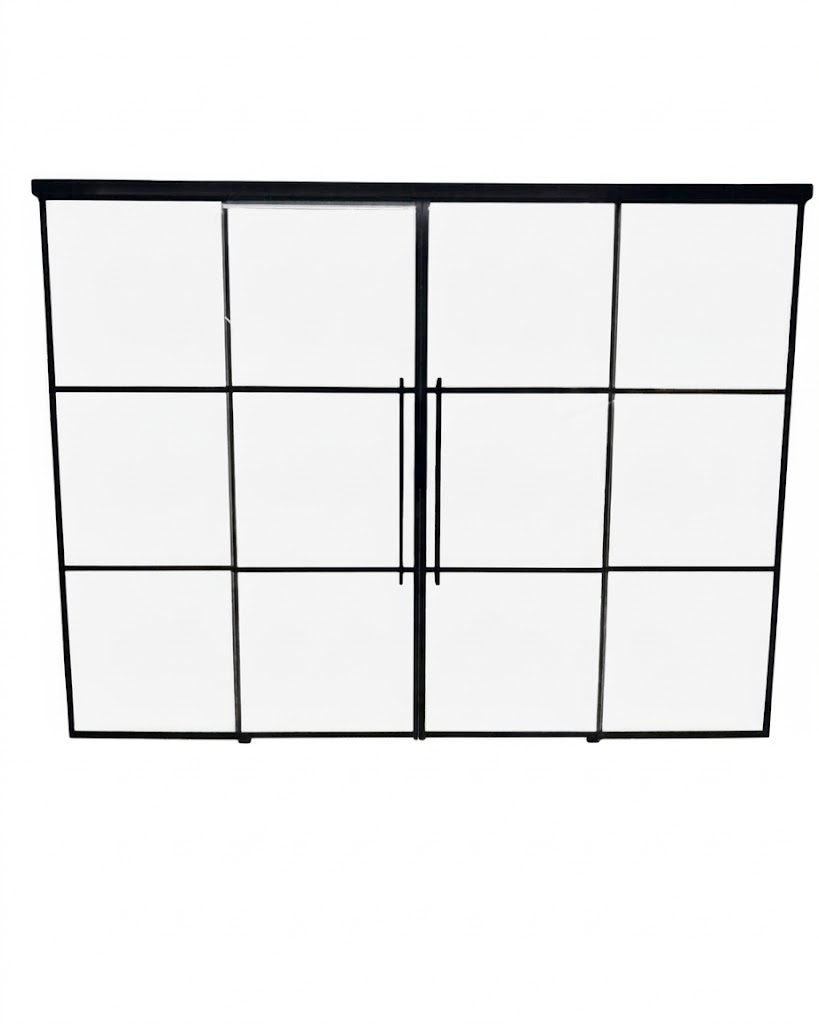

Low-E glass patio doors in Texas can make bright rooms more comfortable without turning them dark. The goal is simple: keep natural light and outdoor views while reducing the heat gain, glare, and UV exposure that come with large glass openings. For patios, sliding doors, and bi-fold systems, the glass package can matter as much as the door style.

This Texas-focused guide explains how Low-E glass works, when to pair it with insulated glass, and how frame choice affects comfort. It is written for homeowners comparing patio enclosures, sliding doors, and bi-fold doors before requesting a quote.
What Low-E Glass Does
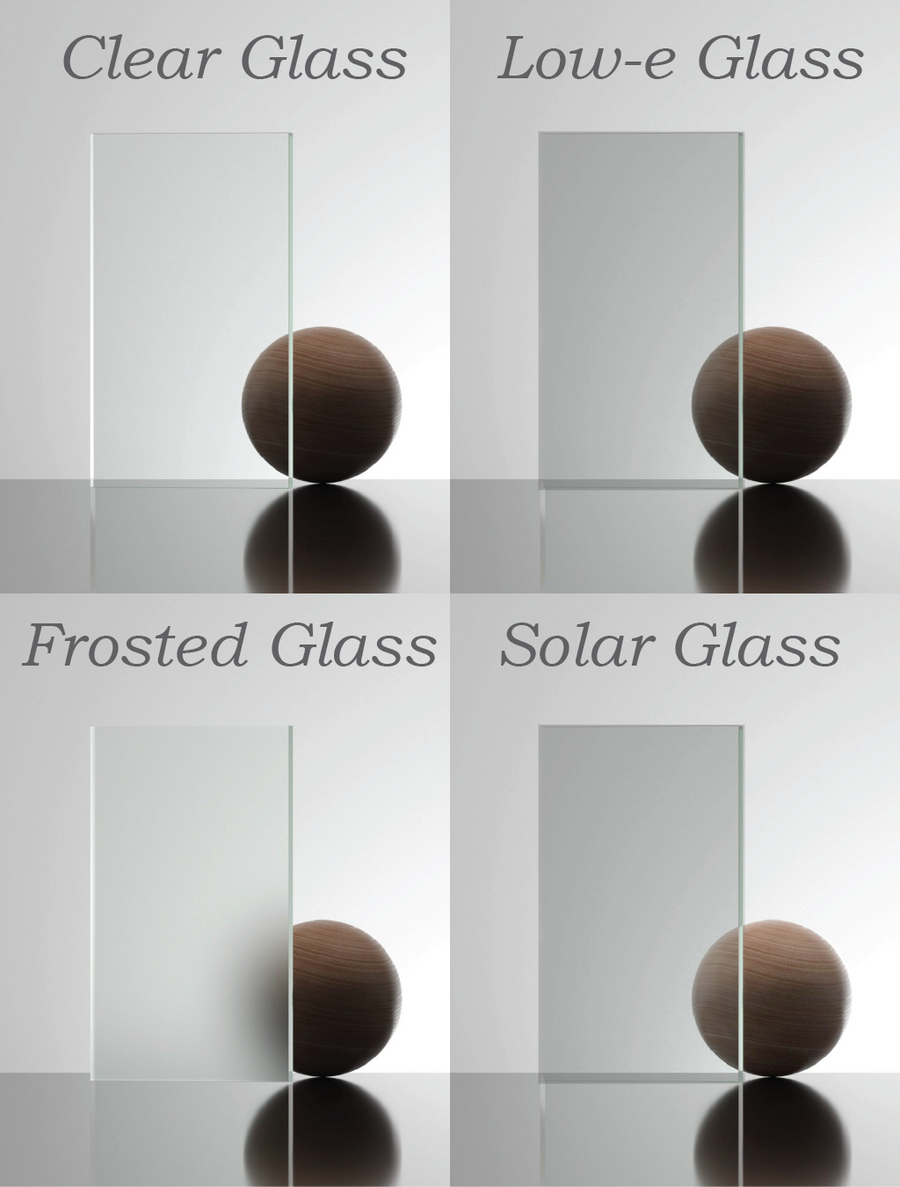
Low-E stands for low emissivity. In practical terms, a Low-E coating helps control radiant heat transfer through the glass. It can reduce solar heat gain, soften glare, and help protect floors, furniture, rugs, and artwork from UV-related fading. The room can still feel open and bright because Low-E glass is designed to manage heat without blocking the view like heavy tint or window coverings.
For Texas homes, that balance matters. Many homeowners want big patio openings for indoor-outdoor living, but they do not want the living room, kitchen, or breakfast area to become uncomfortable in the afternoon.
Why Patio Doors Need a Different Glass Conversation
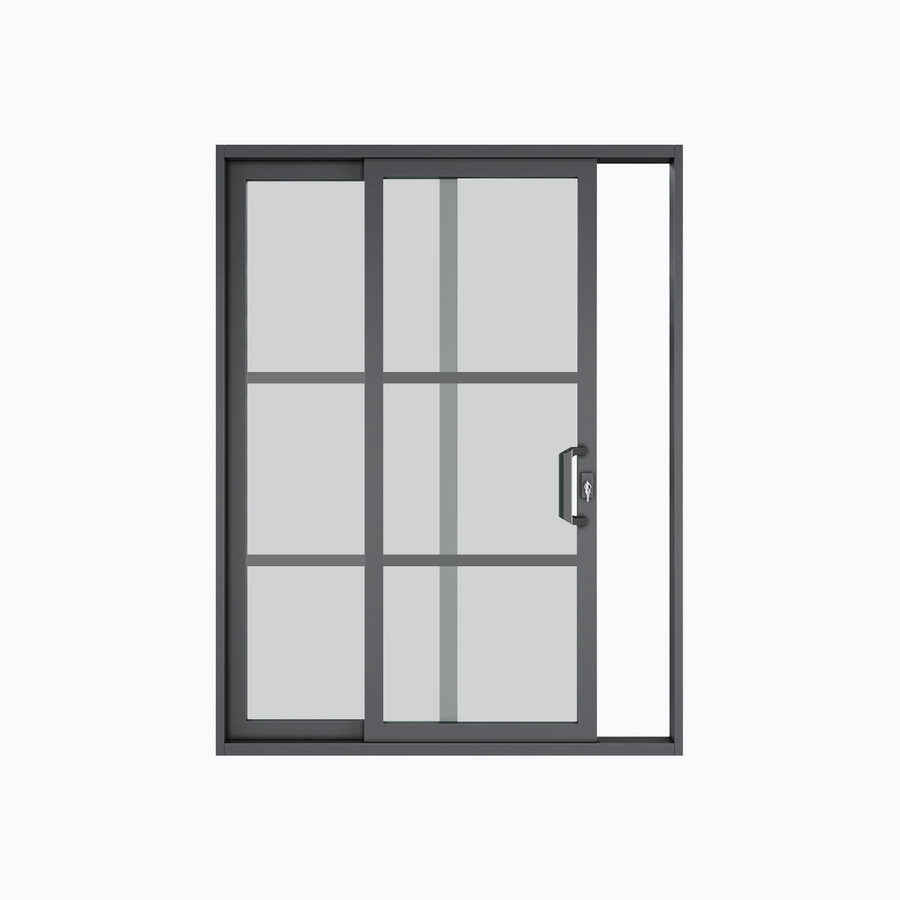
A small window and a large patio door are not the same problem. Patio doors often create a much larger glass area, and the opening may face a pool, patio, or open yard with direct sun. A two-panel sliding door already has a meaningful amount of glass. A multi-panel sliding system, glass wall, or bi-fold door can multiply that exposure.
That is why Low-E glass is often discussed alongside insulated glass. Insulated glass units use two panes with a sealed space between them. Low-E coatings help manage radiant heat, while the insulated unit helps improve overall thermal performance. For large Texas patio openings, the combination is often more useful than choosing one feature in isolation.
Heat Gain, Glare, and UV Fading
The most noticeable benefit is comfort near the door. If a sofa, dining table, or kitchen island sits close to the patio opening, reducing heat gain can make the space more usable. Low-E glass can also help with glare on televisions, work surfaces, and polished floors. UV protection matters for wood flooring, fabrics, leather, and artwork that sit in the same sun path every day.
Low-E glass will not replace good shading, porch design, or HVAC planning. It is one part of a better exterior opening. Deep overhangs, screens, landscaping, and orientation still matter, especially on west-facing Texas patios.
Sliding Doors, Bi-Fold Doors, and Patio Enclosures
Different door systems use glass differently. Sliding patio doors are efficient for tight spaces because panels move within the track. Bi-fold doors open wide and can connect the room to the patio, but the larger opening can mean more total glass. Patio enclosures may include multiple fixed and operating panels, so glass performance becomes a major comfort factor.
- Sliding doors: Low-E is helpful when the opening gets direct sun or the glass area is large.
- Bi-fold doors: Low-E insulated glass helps keep wide openings from overwhelming the room with heat.
- Patio enclosures: Glass selection should be planned for the full wall system, not just one door panel.
- Replacement projects: Upgrading old fogged or single-pane glass can improve both appearance and comfort.
Frame Choice Matters Too
Glass is only part of the system. The frame, threshold, weatherstripping, and installation quality also affect how the door performs. Standard metal frames can transfer heat more readily than upgraded systems. For high-exposure openings, compare whether a thermal break metal door or improved frame package should be paired with Low-E insulated glass.
For interior or shaded openings, the upgrade decision may be different. A shaded north-facing patio may not need the same package as a west-facing wall of glass. The best quote starts with sun exposure, room use, and the size of the opening.
When Low-E Is Most Worth It in Texas
Low-E glass is usually worth comparing when the patio door faces south or west, the room feels hot near the glass, the opening is oversized, or you want to protect furnishings from fading. It is also useful when the door connects to a main living area that is occupied throughout the day. In those cases, comfort is not a luxury detail; it affects how often the room is used.
For smaller shaded doors, Low-E may still be a good choice, but the value depends on the rest of the project. If the budget is tight, compare the upgrade against frame quality, hardware, and installation prep so the final door is balanced.
Questions to Ask Before Ordering
Ask where the door faces, what time of day the room gets hot, whether the existing glass is fogged or single-pane, and how much of the wall will be glass. Also confirm whether the door needs screens, drainage improvements, privacy glass, or a low-threshold transition. These details influence both comfort and cost.
Photos help. Send pictures from inside and outside, plus rough opening measurements. If the patio has drainage issues or an uneven slab, include that in the request. Glass performance works best when the door is installed into a prepared opening.
FAQ
Do Low-E glass patio doors look dark?
Not necessarily. Many Low-E options keep rooms bright while reducing heat gain and glare. The exact appearance depends on the glass specification.
Is Low-E glass the same as insulated glass?
No. Low-E is a coating, while insulated glass uses two panes with a sealed space between them. They are often paired for better performance.
Should I use Low-E glass on sliding doors?
It is worth considering for sunny sliding doors, large glass areas, and rooms where heat or glare is already noticeable.
Does frame type affect energy performance?
Yes. Frame material, thermal break design, weatherstripping, threshold prep, and installation quality all affect comfort.
Get a Low-E Patio Door Quote
Texas Glass Door can help compare Low-E glass, insulated glass, sliding systems, bi-fold doors, patio enclosures, and thermal break frame options. Send measurements, photos, and project location through the contact page so the recommendation matches your home.
Need Help Choosing the Right Door?
Talk to Texas Glass Door for guidance on iron, glass, aluminum, and interior door options tailored to your project.