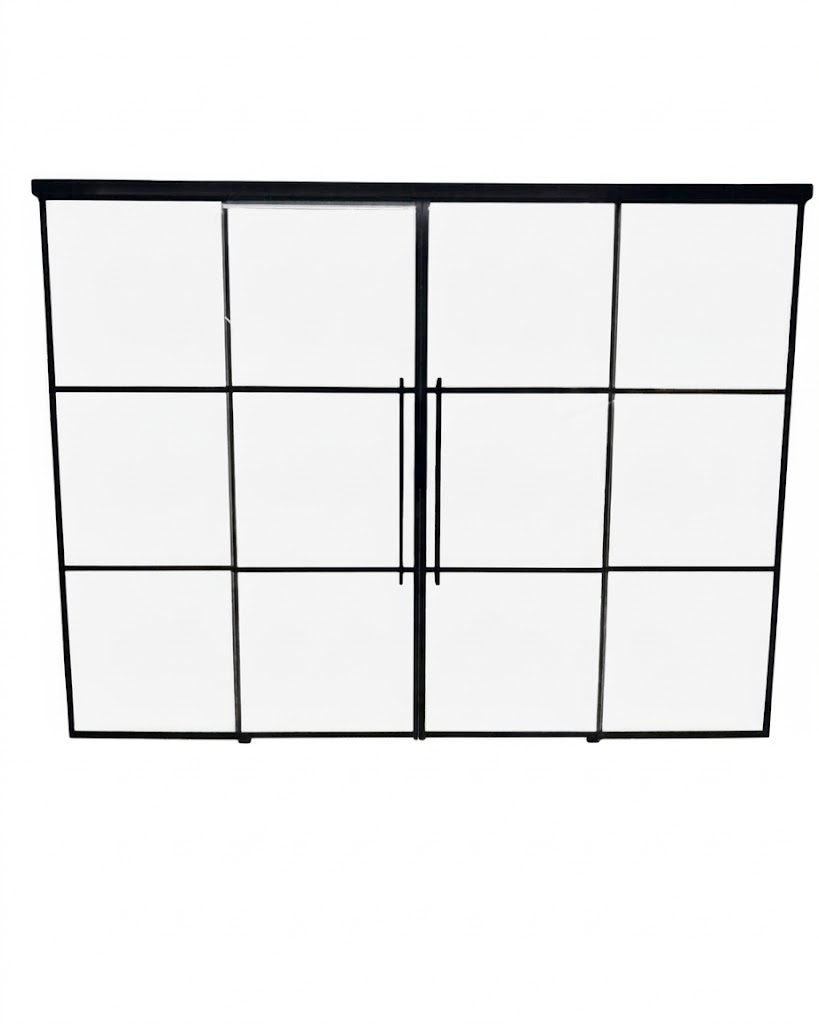
McKinney homeowners often start shopping for an iron front door because they want a stronger entry and a more custom look. In North Texas, the next question is usually performance: will the door help with heat, condensation, and daily comfort? That is where a thermal break system matters. A thermal break iron door separates the exterior and interior steel surfaces with an insulated barrier, reducing heat transfer through the frame and slab.

This guide is written for buyers comparing iron doors in McKinney, Allen, Prosper, and nearby communities. It explains cost drivers, glass choices, when thermal break construction is worth it, and how to plan the project before requesting a quote from Texas Glass Door.
What Makes a Thermal Break Iron Door Different?
A standard iron door is strong and beautiful, but metal conducts heat. On a west-facing entry, direct afternoon sun can warm the exterior skin and transfer some of that heat inside. A thermal break design interrupts that path. The insulated separation inside the door and frame helps keep the interior surface closer to room temperature.
The difference is most noticeable on exposed entries, tall double doors, pivot-style entrances, and homes where the foyer sits near a thermostat or open living area. If your current door feels hot to the touch, creates condensation in winter, or makes the entry uncomfortable in summer, a thermal break model deserves a serious look.
McKinney Cost Factors to Expect
Most buyers want one number, but iron door pricing depends on size, configuration, glass, finish, and installation conditions. A single French-style door is usually the simplest path. Double doors cost more because they require two slabs, more glass, more hardware, and more careful alignment. Round-top and arch-top designs also add fabrication complexity compared with square-top doors.
Size and opening changes
If your existing rough opening is close to a standard size, the project is more predictable. If the entry needs framing adjustments, masonry work, or a new transom layout, budget and timeline increase. Measuring is especially important in newer McKinney homes where decorative trim, brick returns, and threshold height can vary by builder.
Glass package
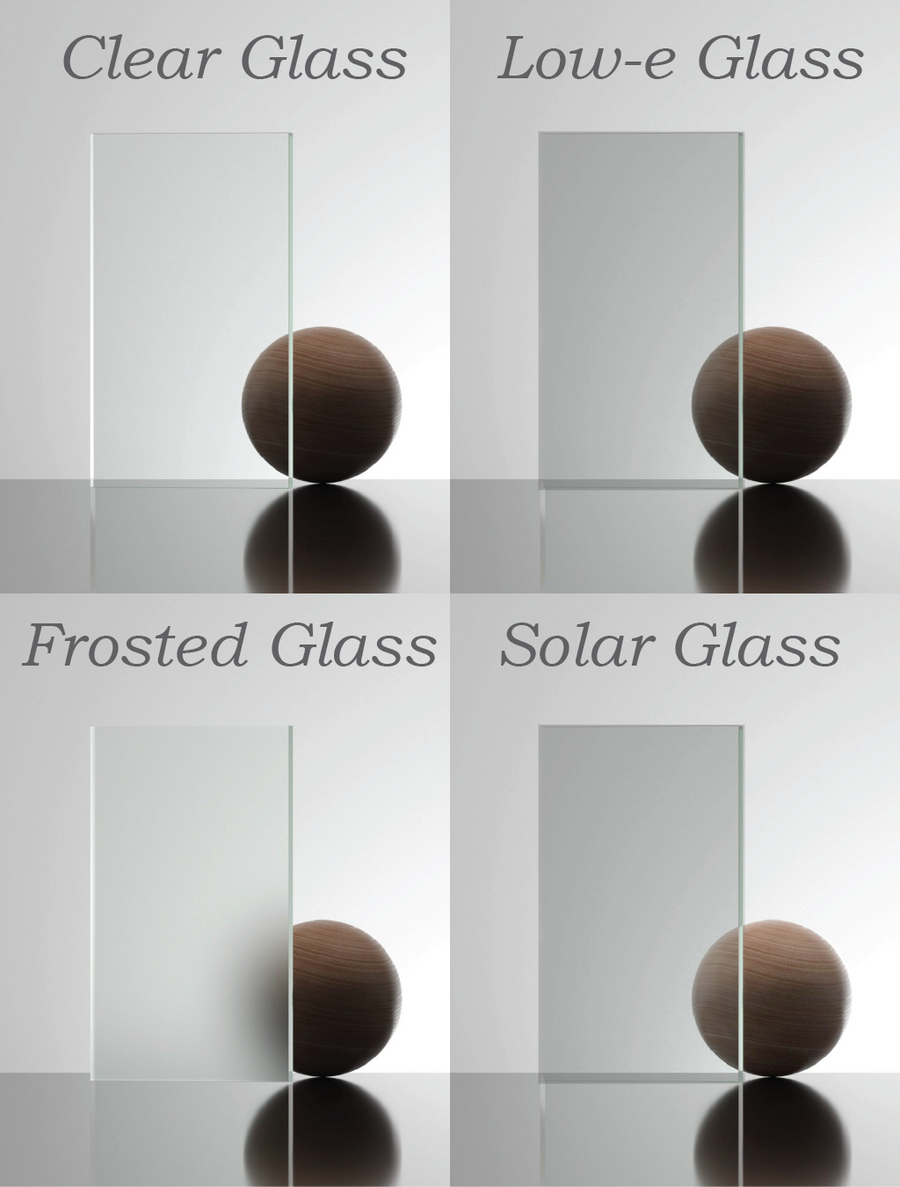
Low-E insulated glass is a common choice for Texas homes because it helps reduce radiant heat while keeping the clear, bright look people want from an iron and glass entry. Privacy glass, rain glass, reeded glass, and decorative patterns can add cost but may be worth it for entries facing the street or a close neighbor.
Door style and hardware
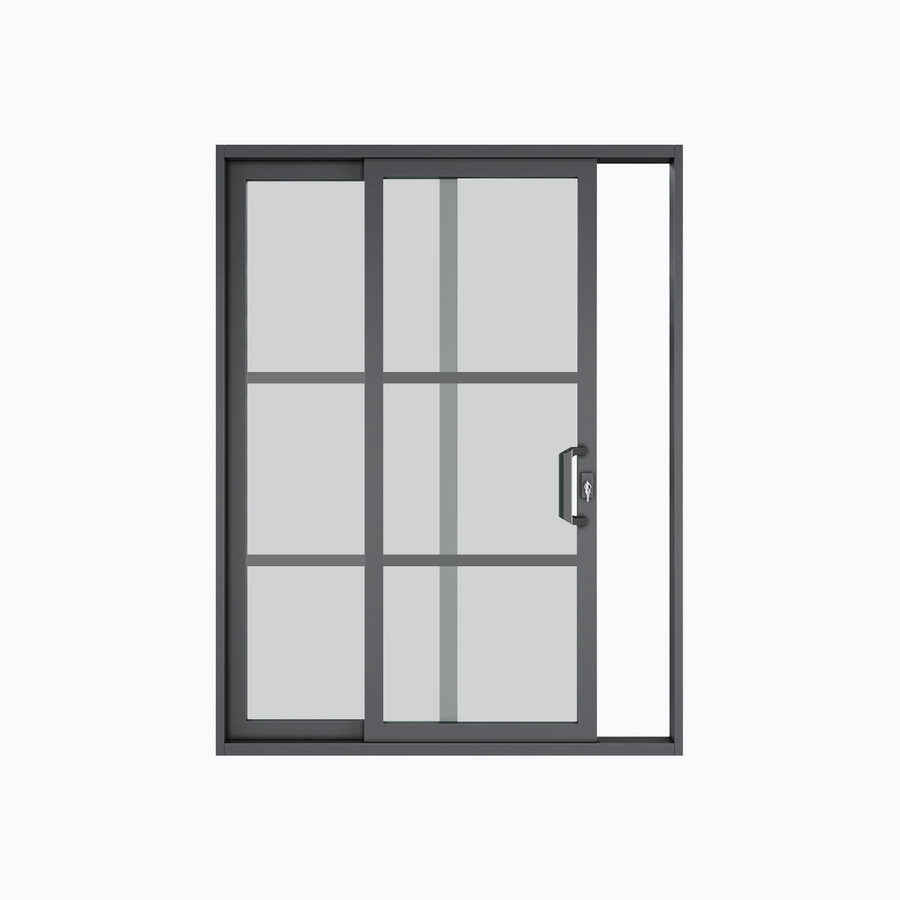
Thermal break options are available in several configurations, including single square-top iron doors, double French doors, and bi-fold systems. Handles, locksets, pull bars, deadbolts, and smart-lock preparation should be selected before final approval so the door arrives ready for the way your household actually uses the entry.
When Thermal Break Is Worth It in North Texas
Thermal break construction is not only about one hot afternoon. It is about reducing repeated heat gain, improving comfort around the entry, and helping the door perform more consistently through Texas weather swings. It is especially useful when the door faces west or south, when the entry has limited porch cover, or when the home has a large two-story foyer.
If your entry is deeply shaded and separated from the main living space, a standard insulated iron door may be enough. If the door sits in full sun or the foyer opens into the living room, the upgrade can make the space feel more refined and comfortable.
Best Glass Choices for McKinney Homes
Clear Low-E glass works well when the entry has landscaping or a long setback. For neighborhood streets, many homeowners choose rain, frosted, or reeded privacy glass. If security is a concern, ask about laminated glass options and lock planning. The best setup balances daylight, privacy, energy performance, and the style of the home.
Think about nighttime privacy as well as daytime curb appeal. Clear glass may feel open during a showing, but a busy household may prefer textured glass once interior lights are on after sunset. Samples and photos help narrow the decision before fabrication.
Planning the Installation
A good installation starts before the old door is removed. Confirm swing direction, threshold height, trim expectations, and whether paint or masonry touch-ups are included. For HOA neighborhoods, save the door drawing, finish color, and glass type early so approval does not delay production.
Texas Glass Door can help compare standard and thermal break metal door options, review measurements, and recommend a configuration that fits your entry rather than forcing a generic product into the opening.
FAQ
Do thermal break iron doors stop all heat transfer?
No door stops all heat transfer, but thermal break construction reduces conduction through the metal and can make the interior side more comfortable during Texas heat and winter cold snaps.
Can I get privacy glass with a thermal break iron door?
Yes. Privacy glass, Low-E insulated glass, and decorative glass can be planned together. The right choice depends on street exposure, daylight goals, and the style of the door.
How long does a custom thermal break door take?
Timeline depends on size, finish, glass, and current production queue. The safest move is to request a quote early, especially if the project is tied to a remodel or move-in date.
Get a McKinney Iron Door Quote
Ready to compare thermal break iron door options for your McKinney home? Contact Texas Glass Door with photos, rough measurements, and your preferred style. The team can help you choose the right door, glass, and installation path.
Need Help Choosing the Right Door?
Talk to Texas Glass Door for guidance on iron, glass, aluminum, and interior door options tailored to your project.